





Anionic Polyacrylamide in mineral processing: what are the benefits?
2026-04-14 10:21:09
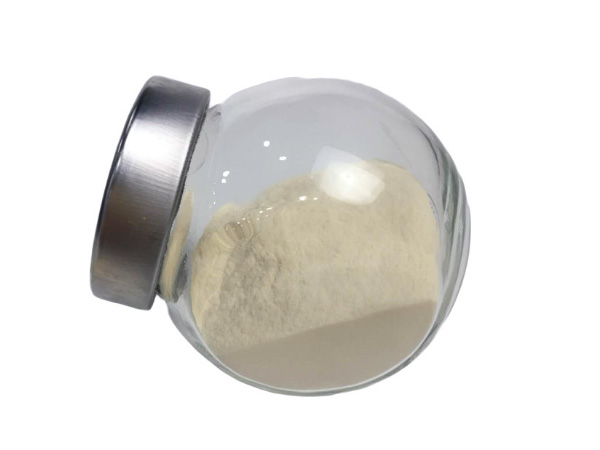
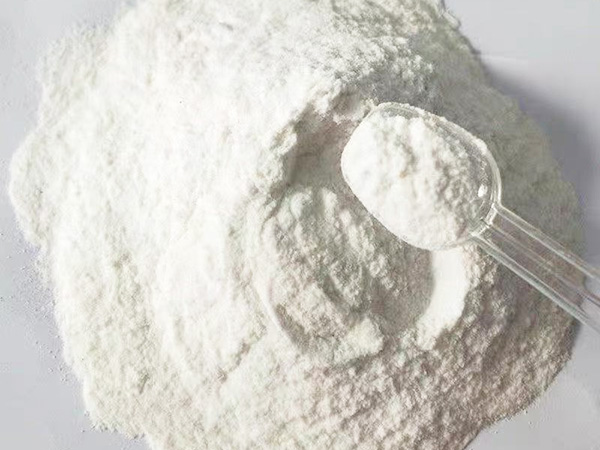
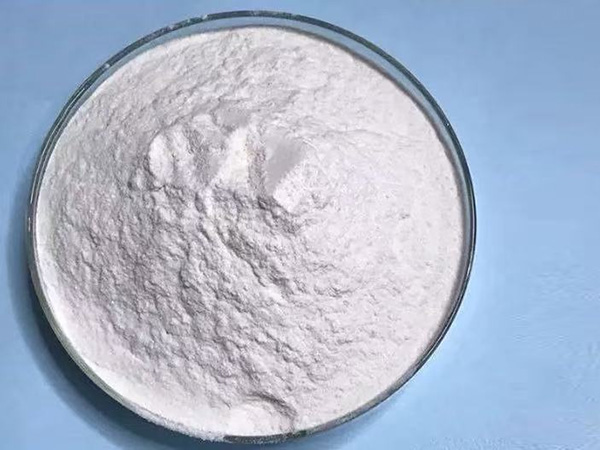
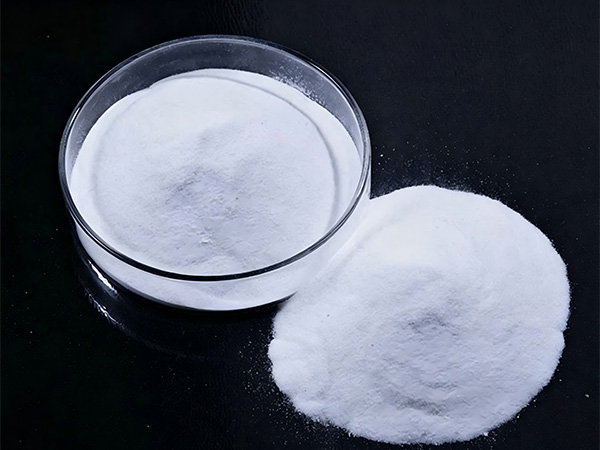
Anionic Polyacrylamide(APAM)is widely used as a flocculant and processing aid in mineral processing,providing significant improvements in solid-liquid separation,recovery rate,water recycling,and operational efficiency.
Key Benefits
Accelerates settling of mineral slurries
APAM’s long molecular chains form strong,dense flocs that settle much faster than natural sedimentation,greatly increasing throughput in thickeners and clarifiers.
Improves concentrate and tailings dewatering
It reduces moisture content in filtered or centrifuged concentrates and tailings,lowering transportation costs,storage volume,and tailings pond management pressure.
Increases mineral recovery rate
By effectively flocculating fine mineral particles,APAM reduces losses of valuable minerals in overflow water,improving overall recovery.
Enables process water recycling
Produces clear overflow water that can be directly reused in grinding,flotation,and leaching,reducing freshwater consumption and wastewater discharge.
Reduces dosage and operating cost
High-molecular-weight APAM works effectively at very low concentrations,offering high efficiency with low chemical cost compared to inorganic flocculants.
Improves slurry rheology and pipeline transport
Reduces frictional resistance in slurry pipelines,enabling smoother transport and lower energy consumption.
Environmentally friendly and stable
APAM is chemically stable,non-toxic in normal use,and compatible with most mineral processing reagents,without causing secondary pollution.
References
GB/T 7714
Liu T,Zhang H,Yang J.Application of anionic polyacrylamide in mineral processing and tailings treatment.Mining and Metallurgical Engineering,2022,42(2):55–59.
MLA
Liu,Tao,et al."Application of Anionic Polyacrylamide in Mineral Processing and Tailings Treatment."Mining and Metallurgical Engineering,vol.42,no.2,2022,pp.55–59.
APA
Liu,T.,Zhang,H.,&Yang,J.(2022).Application of anionic polyacrylamide in mineral processing and tailings treatment.Mining and Metallurgical Engineering,42(2),55–59.