






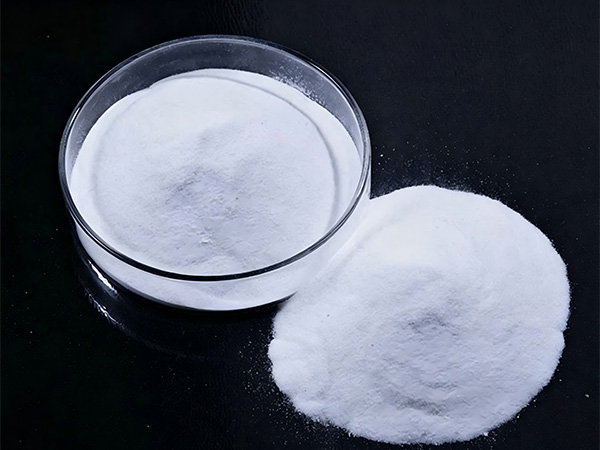
Non-ionic Polyacrylamide
Nonionic polyacrylamide (NPAM) is an important polymer compound widely used in water treatment, oil extraction, pulp and paper making, and textile printing and dyeing. NPAM is an uncharged polymer with the chemical formula (C3H5NO)n. It is polymerized from acrylamide monomers. Compared to ionic polyacrylamide, NPAM is uncharged, therefore its ion adsorption capacity is lower.
NPAM has the following characteristics: High water absorption: Due to its polymer structure, NPAM can absorb a large amount of water, forming a colloidal solution. High viscosity: NPAM solutions have high viscosity and can develop controllable rheological properties under various conditions. Good stability: NPAM maintains good stability under different water quality conditions and is not easily degraded. Non-toxic: NPAM is non-toxic to the environment and organisms and will not cause environmental pollution.
NPAM is widely used in many fields, including:
1. Water treatment: As an excellent flocculant and water purifier, NPAM is widely used in wastewater treatment and drinking water purification processes. It can effectively remove suspended solids, colloids, and organic matter, improving water quality. 2. In the oil extraction industry,
NPAM can be used as an oil displacement agent in oil exploration. It can improve the fluidity of crude oil, thereby increasing oil recovery. In addition, NPAM can also be used to prevent water seepage and reduce groundwater waste.
3. In the pulp and paper industry,
NPAM can be used as an additive in the pulp and paper process. It can improve the viscosity and strength of pulp, thereby improving paper quality.
4. In the textile printing and dyeing industry,
NPAM can be used as a dispersant and thickener in the textile printing and dyeing industry. It can improve the dispersibility and flowability of dyes.