





Xanthan Gum in Cosmetics and Personal Care Product Formulation
2026-06-24 08:08:22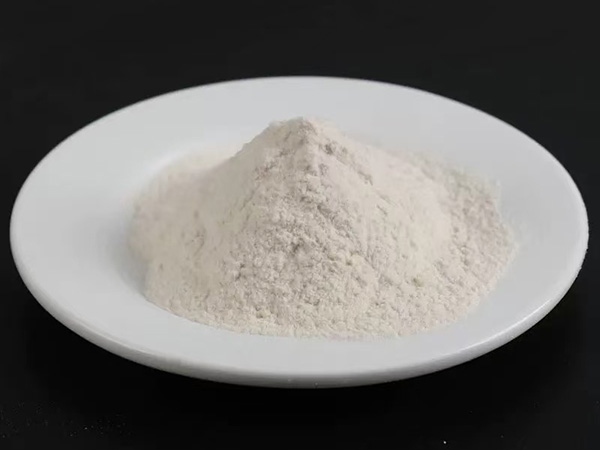
Xanthan gum serves as a versatile rheology modifier and stabilizer in cosmetics and personal care formulations including skin creams, lotions, shampoos, conditioners, toothpaste, and liquid makeup products. This natural-origin polysaccharide, manufactured by specialized cosmetic ingredient suppliers, provides pseudoplastic flow behavior, suspension stability, emulsion stabilization, and pleasing sensory attributes that make it one of the most widely used hydrocolloid ingredients in personal care product development. Understanding xanthan gum functionality in cosmetic systems enables formulation chemists to develop products with optimized texture, stability, and consumer-perceived quality across diverse personal care categories.

Rheology Modification and Texture Design
Xanthan gum rheology modification in cosmetic formulations produces shear-thinning flow behavior that provides desirable application characteristics where products spread easily under shear (during rubbing or dispensing) while maintaining structure and body at rest (in packaging). This pseudoplastic behavior is essential for cream and lotion products that must remain stable in packaging without phase separation while providing smooth, controlled application on skin. Viscosity contribution depends on xanthan gum concentration (typically 0.2-1.5%), with precise control enabling formulation of products ranging from thin lotions to thick creams from single base formulation through concentration adjustment.
The polymer provides yield stress behavior that suspends insoluble particles including pigments, pearlescent agents, exfoliating particles, and bead encapsulated active ingredients without sedimentation during storage. This suspension capacity is critical for products containing visual effect ingredients or particulate actives where uniform distribution must be maintained throughout product shelf life. Synergistic viscosity enhancement through combination with other thickeners including carbomer, cellulose gums, and carrageenan provides formulation flexibility and cost optimization opportunities. Professional cosmetic ingredient manufacturers provide rheology characterization data and compatibility matrices for xanthan gum in diverse cosmetic formulation systems.
Emulsion Stabilization and Phase Separation Prevention
Xanthan gum stabilizes oil-in-water emulsions in cosmetic products through continuous phase viscosity increase that reduces droplet collision frequency and coalescence rate, extending emulsion shelf life without reliance on synthetic surfactant systems alone. The polymer provides stabilization for both conventional and natural cosmetic formulations where consumer demand for clean label ingredients drives replacement of synthetic emulsifiers with natural-origin hydrocolloid stabilizers. Xanthan gum effectiveness in emulsion stabilization depends on continuous phase viscosity, droplet size distribution, and compatibility with emulsifier system components.
Temperature stability of xanthan gum in cosmetic emulsions prevents viscosity loss during storage temperature cycling between ambient and elevated temperatures encountered in distribution and consumer use. Unlike some natural gums that irreversibly degrade at elevated temperature, xanthan gum maintains viscosity performance through repeated thermal cycling, providing reliable stability for products shipped globally across diverse climate zones. Professional cosmetic ingredient suppliers provide stability testing data and formulation guidance for emulsion systems incorporating xanthan gum as primary or supplementary stabilizer.
Skin Care and Sunscreen Formulations
Skin care formulations benefit from xanthan gum properties including compatibility with diverse active ingredients (vitamins, botanical extracts, peptides), tolerance for electrolyte-containing formulations, and ability to create pleasant sensory profiles with appropriate slip and after-feel characteristics. Anti-aging serums, moisturizers, and treatment products employ xanthan gum at low concentrations (0.1-0.5%) to achieve serum-like viscosity and elegant texture that enhances consumer perception of product sophistication and efficacy. The polymer does not interfere with active ingredient penetration through skin barrier, maintaining bioavailability of functional cosmetic ingredients.
Sunscreen formulations utilize xanthan gum to suspend inorganic UV filters (titanium dioxide, zinc oxide) that provide broad-spectrum UV protection while maintaining homogenous distribution that ensures consistent sun protection factor (SPF) across applied film. The polymer suspension capacity prevents pigment settling during storage that would create variable SPF performance across product volume. Professional cosmetic chemical suppliers provide sunscreen-grade xanthan gum with optimized transparency and compatibility for UV filter formulations.
Hair Care and Oral Care Applications
Hair care products including shampoos, conditioners, and styling products employ xanthan gum as thickener and stabilizer that provides controlled pour characteristics, in-use viscosity that remains on hair during application, and stable suspension of conditioning particles and pearlescent visual effect agents. The polymer tolerance for high surfactant concentrations in shampoo formulations ensures consistent viscosity performance without precipitation or viscosity loss that occurs with alternative thickening agents. Conditioner formulations benefit from xanthan gum sensory attributes that provide smooth, detangling feel during application without residue or buildup on hair fibers.
Oral care products including toothpaste and mouthwash formulations utilize xanthan gum as binder, thickener, and stabilizer that controls product rheology, suspends abrasive particles, and stabilizes flavor oil emulsions. The polymer provides acceptable mouthfeel without slimy or gummy texture that consumers find unpleasant in oral care products. Toothpaste formulations typically incorporate xanthan gum at 0.5-1.2% concentration to achieve target extrusion characteristics and stand-up stability on toothbrush bristles. Professional personal care ingredient manufacturers provide oral care-grade xanthan gum products with appropriate purity and performance specifications for dental product applications.
References
EU Cosmetics Regulation (EC) No 1223/2009
ISO 16128 - Cosmetics - Natural and Organic Ingredients
GB 2760 - National Food Safety Standard for Food Additive Use (oral care)
Personal Care Cosmetic Council - International Cosmetic Ingredient Dictionary
ISO 9001 - Quality Management Systems - Requirements