





Food-Grade Xanthan Gum Properties and Applications in Food Industry
2026-06-27 11:04:38
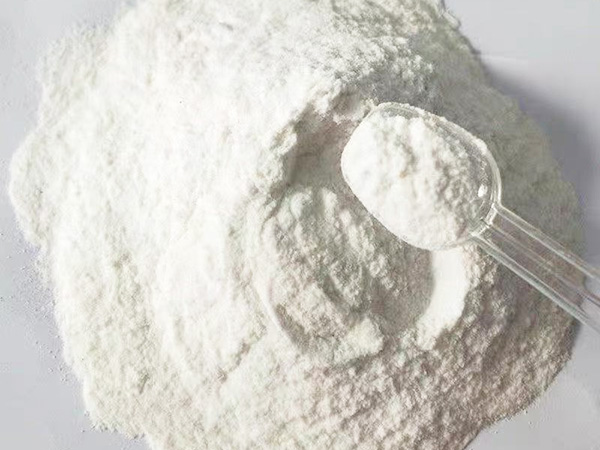
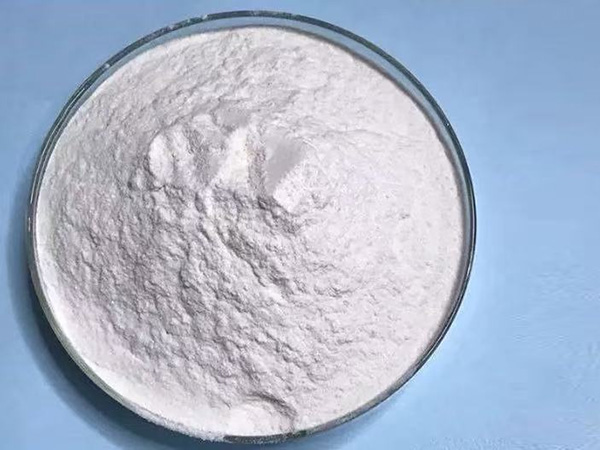
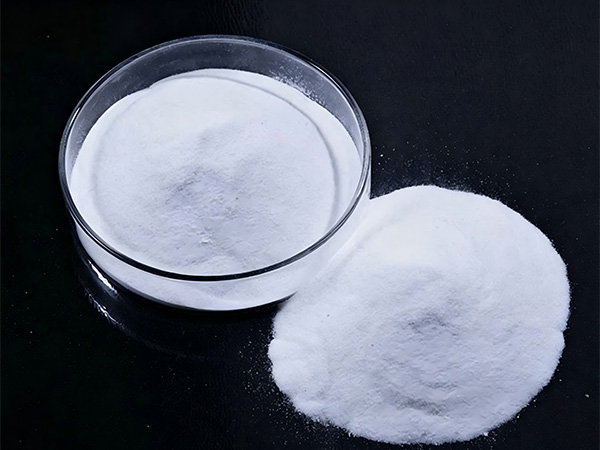
Food-grade xanthan gum serves as one of the most versatile hydrocolloid thickening and stabilizing agents employed across modern food and beverage processing operations worldwide. Produced through controlled aerobic fermentation of Xanthomonas campestris bacterium by specialized chemical manufacturers, this high-molecular-weight polysaccharide delivers exceptional rheological properties including pseudoplastic shear-thinning behavior, broad pH stability, and compatibility with diverse food ingredients. Understanding the functional characteristics, regulatory compliance requirements, and application methodologies for food-grade xanthan gum enables product development engineers and quality assurance professionals to formulate products with consistent texture, stability, and shelf life performance demanded by global consumer markets.

Chemical Structure and Rheological Properties
Xanthan gum molecular architecture comprises a cellulosic backbone with trisaccharide side chains containing mannose, glucuronic acid, and pyruvylated mannose residues that create rigid helical conformation in aqueous solution. This molecular structure produces high viscosity at low concentrations (typically 1,200-1,600 mPa·s at 1% concentration) with pronounced pseudoplastic behavior where viscosity decreases under shear stress and recovers rapidly when shear is removed. The shear-thinning characteristic provides easy mixing and pumping during processing while maintaining product body during quiescent storage conditions.
The polymer exhibits remarkable stability across temperature ranges from -18°C to over 120°C without significant viscosity loss, with the unique property of reversible thermal thinning that distinguishes xanthan from many alternative hydrocolloids which irreversibly degrade at elevated temperatures. Compatibility with high salt concentrations (up to 15% sodium chloride), acidic conditions (pH 1-13), and synergistic interaction with guar gum and locust bean gum create versatile formulation flexibility. Professional xanthan gum suppliers provide comprehensive rheological data and compatibility matrices for food formulation development.
Food and Beverage Formulation Applications
In food processing, xanthan gum functions as thickener, stabilizer, suspension agent, and emulsion stabilizer across diverse product categories including sauces and dressings, dairy products, baked goods, beverages, and frozen foods. Salad dressing formulations utilize xanthan gum at 0.1-0.5% concentration to achieve stable emulsion that prevents oil separation during extended shelf storage, while providing desirable pour and cling characteristics. Dairy applications including ice cream and frozen desserts employ xanthan gum to control ice crystal growth, improve melt resistance, and provide smooth mouthfeel through synergistic interaction with guar gum.
Beverage applications leverage xanthan gum suspension properties for pulp and particle stabilization in fruit juices, nectars, and plant-based beverages where solids settling would create unappealing product stratification. Gluten-free baking formulations incorporate xanthan gum at 0.5-2.0% to replace gluten network elasticity, providing gas retention during proofing and improved crumb structure in the finished product. Professional food ingredient manufacturers offer application-specific xanthan gum grades optimized for individual product category performance requirements including transparency, flavor release, and synergistic gum interactions.
Regulatory Compliance and Safety Standards
Food-grade xanthan gum production and distribution must comply with regulatory frameworks established by food safety authorities worldwide, with primary compliance standards including GB 2760 (China food additive regulations), EU Regulation 1333/2008, FDA 21 CFR 172.695, and Joint FAO/WHO Expert Committee on Food Additives (JECFA) specifications. These standards establish purity criteria, microbiological limits, heavy metal restrictions, and labeling requirements that ensure product safety for consumer consumption. The European food additive number E415 and INS number 415 identify xanthan gum in ingredient declarations across international markets.
Manufacturing facilities producing food-grade xanthan gum must maintain certification under food safety management systems including ISO 22000, FSSC 22000, or equivalent recognized schemes that verify prerequisite programs, hazard analysis, and critical control point management throughout production operations. Heavy metal testing per JECFA specifications confirms that arsenic, lead, and mercury levels remain below specified maximum limits. Professional xanthan gum manufacturers provide certificates of analysis, regulatory compliance documentation, and allergen statements supporting food safety due diligence for global supply chains.
Quality Control and Production Technology
Xanthan gum quality control encompasses raw material verification, fermentation process monitoring, product recovery optimization, and finished product testing that collectively ensure consistent product performance for food industry customers. Fermentation parameters including dissolved oxygen, pH, temperature, and nutrient feed rates directly influence molecular weight distribution and final product viscosity performance. Post-fermentation recovery through alcohol precipitation or mechanical dewatering removes cellular debris and process impurities before drying and milling operations produce finished powder product with specified particle size distribution.
Finished product testing per GB 2760 and JECFA specifications evaluates viscosity performance, moisture content, ash content, pyruvic acid content, nitrogen content, and microbial contamination levels against specification limits. Leading xanthan gum manufacturers maintain accredited testing laboratories and implement statistical process control methods that ensure batch-to-batch consistency for demanding food industry applications.
References
GB 2760 - National Food Safety Standard for Food Additive Use
FAO JECFA Monographs - Xanthan Gum Specifications
EU Regulation 1333/2008 - Food Additives Regulation
FDA 21 CFR 172.695 - Xanthan Gum as Direct Food Additive
ISO 22000 - Food Safety Management Systems