





Polymer Flooding Technology for Enhanced Oil Recovery Applications
2026-06-21 06:57:46
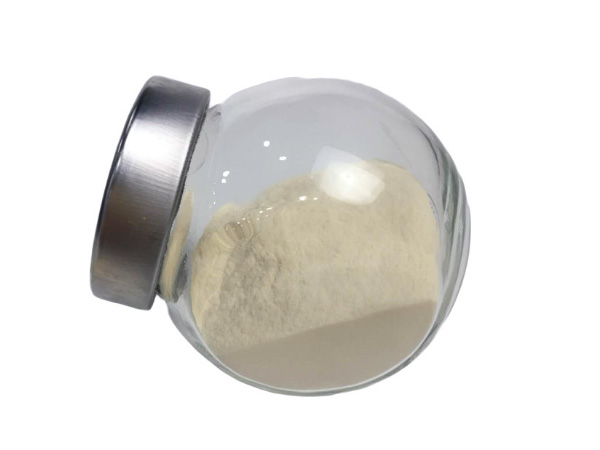
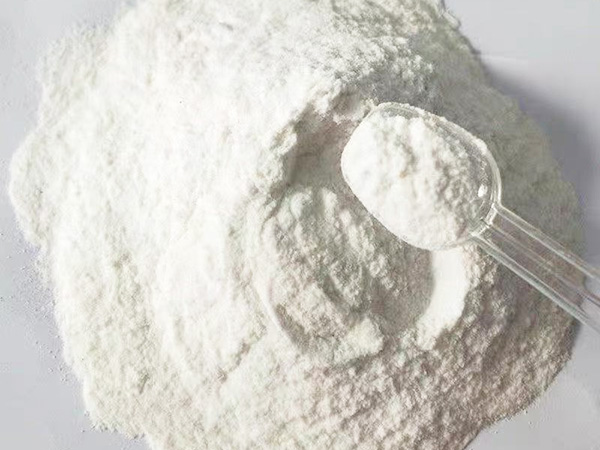
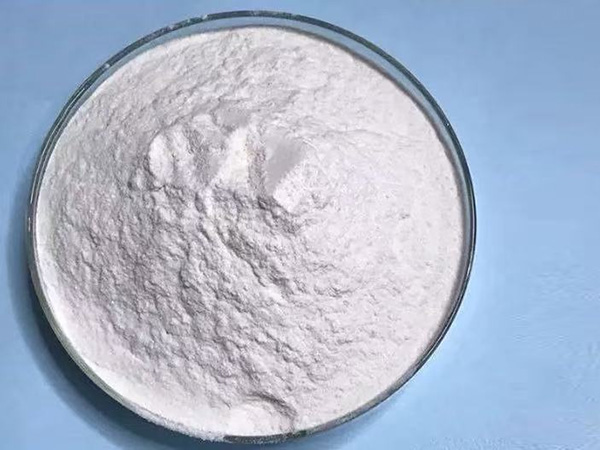
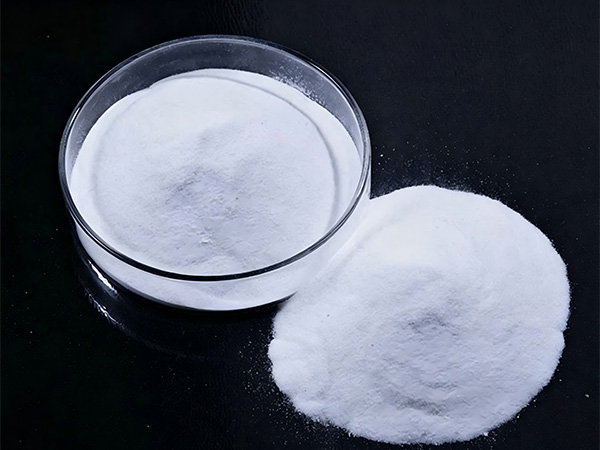
Polymer flooding represents the most commercially mature and widely applied chemical enhanced oil recovery (EOR) technology, utilizing water-soluble polymers to increase injected water viscosity and improve mobility ratio between displacing water phase and reservoir oil, thereby increasing volumetric sweep efficiency and recovering additional oil beyond waterflood residual saturation. This technology, supported by specialized polymer manufacturers with decades of field application experience, employs partially hydrolyzed polyacrylamide (HPAM) and biopolymers including xanthan gum as primary flooding agents that have demonstrated incremental oil recovery of 5-15% of original oil in place across hundreds of field applications worldwide. Understanding polymer flooding design parameters, polymer selection criteria, and field implementation practices enables reservoir engineers to evaluate and optimize polymer flooding projects for mature waterflood reservoirs.

Reservoir Screening and Candidate Selection
Reservoir screening criteria for polymer flooding identify candidate reservoirs where incremental oil recovery potential justifies investment in polymer flooding infrastructure and chemical costs. Key screening parameters include reservoir temperature (typically below 93°C for HPAM and 120°C for xanthan gum), formation water salinity (below 100,000 mg/L total dissolved solids for standard HPAM), reservoir permeability (typically above 100 mD for economic injection rates), oil viscosity (20-150 mPa·s optimal range), and remaining mobile oil saturation that provides economic recovery target. Reservoir heterogeneity including permeability variation and preferential flow path development influences polymer flooding performance through sweep efficiency modification.
Geological characterization including reservoir layering, clay content, and faulting patterns informs well pattern design and injection strategy for polymer flooding projects. Stratified reservoirs with permeability contrast between layers benefit from polymer injection that diverts flow from high-permeability thief zones into unswept low-permeability layers containing mobile oil. Professional polymer flooding consultants provide reservoir screening evaluation tools and technical economic analysis that identify optimal candidate reservoirs for polymer flooding application.
Polymer Selection and Performance Evaluation
Polymer selection for flooding applications considers molecular weight (typically 10-30 million Daltons), hydrolysis degree (typically 20-35%), and solution rheology that determines viscosity generation efficiency and injectivity in specific reservoir conditions. Higher molecular weight polymers provide greater viscosity per unit concentration but may experience mechanical degradation during injection through perforations and near-wellbore formation that reduces effective molecular weight and viscosity performance. Screen factor measurement provides practical assessment of polymer resistance to mechanical degradation under simulated injection conditions.
Thermal stability and chemical stability in reservoir environment determine polymer performance longevity that influences project economics through retreatment frequency and polymer consumption. HPAM undergoes hydrolysis at elevated temperature that increases charge density and may cause precipitation with divalent cations in high-hardness formation water. Xanthan gum provides superior thermal stability but higher material cost compared to HPAM, creating application-specific trade-off analysis for polymer selection. Professional polymer flooding chemical manufacturers provide comprehensive stability data, rheology characterization, and core flooding test results that support polymer grade selection.
Injection Design and Field Implementation
Polymer flooding injection design establishes polymer concentration (typically 500-2500 mg/L), injection rate, slug size (typically 0.3-0.6 pore volumes of polymer solution), and well pattern configuration that collectively determine sweep efficiency improvement and incremental oil recovery. Polymer injection typically follows established waterflood patterns with five-spot or inverted nine-spot well configurations, with injection rate limited by polymer solution injectivity and fracture gradient of formation rock. Injection water quality requirements specify maximum suspended solids, dissolved oxygen, and bacterial content that could cause polymer degradation or formation plugging.
Surface facilities for polymer flooding include polymer dissolution and mixing systems, solution storage tanks, high-pressure injection pumps, and water treatment equipment that prepare injection water to required quality specifications. Polymer dissolution requires controlled mixing and aging (typically 2-4 hours) to achieve complete hydration without mechanical degradation. Automated polymer mixing and injection systems provide consistent solution quality and enable real-time monitoring of polymer concentration, viscosity, and injection rate. Leading polymer flooding suppliers provide surface facility design guidance and equipment specifications for field implementation projects.
Performance Monitoring and Optimization
Polymer flooding performance monitoring tracks oil production response, water cut reduction, injection pressure increase, and polymer breakthrough at production wells that indicate sweep efficiency improvement and incremental oil recovery. Production decline curve analysis comparing pre-polymer and post-polymer injection periods quantifies incremental oil recovery attributable to polymer flooding. Interwell tracer testing before and during polymer flooding provides direct measurement of volumetric sweep efficiency improvement through flow path modification.
Polymer bank propagation monitoring through injection well pressure fall-off testing, produced polymer concentration measurement, and reservoir simulation history matching provides reservoir management data that guides injection strategy optimization during project execution. Adjustment of polymer concentration, injection rate allocation between pattern wells, and slug size extension based on performance monitoring results improves project economics. Professional EOR consultants provide reservoir simulation modeling, performance prediction, and field monitoring protocols that maximize polymer flooding project value.
References
SPE Improved Oil Recovery Symposium - Polymer Flooding Technical Papers
API RP 63 - Recommended Practices for Evaluation of Polymer Flooding
GB/T 19492 - Enhanced Oil Recovery Technical Specifications
ISO 9001 - Quality Management Systems - Requirements
Journal of Petroleum Science and Engineering - Polymer Flooding Review Articles