





How does Anionic Polyacrylamide remove suspended solids?
2026-04-14 10:18:12
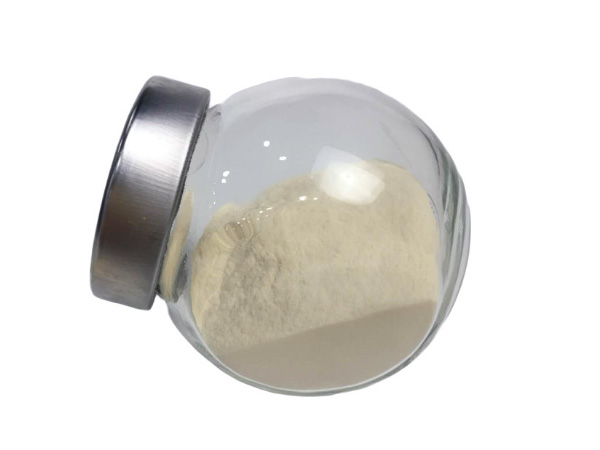
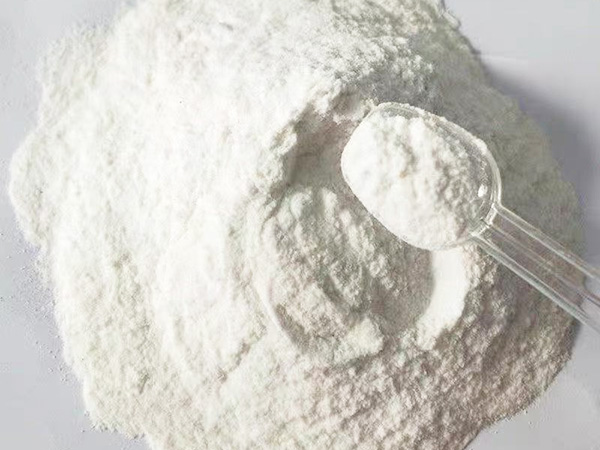
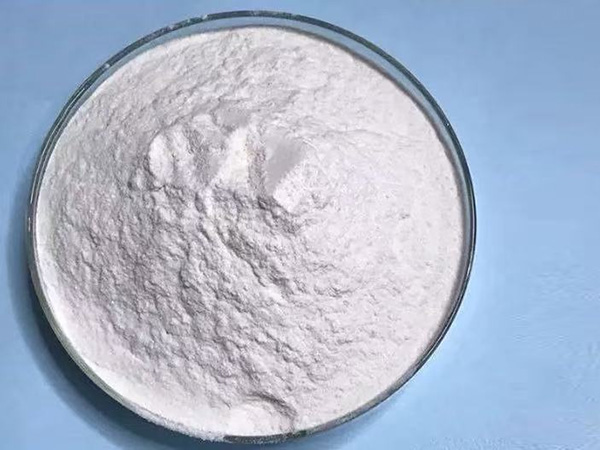
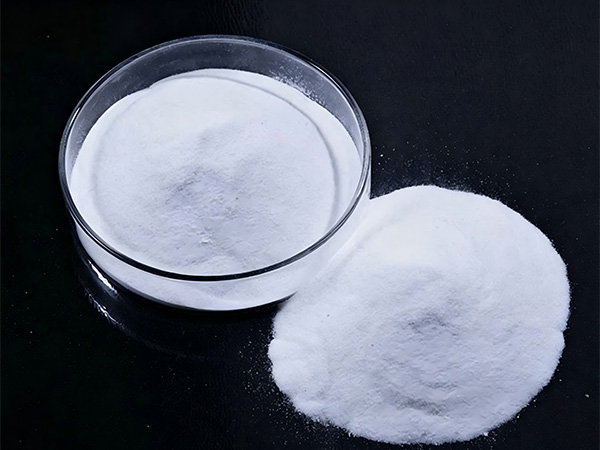
Anionic Polyacrylamide(APAM)removes suspended solids in water through three core mechanisms:charge neutralization,adsorption bridging,and net trapping&sweeping.Together,they turn fine,slow-settling particles into large,dense flocs that separate easily from water.
Charge Neutralization
Most suspended inorganic particles(sludge,sand,ore,mud)carry positive or weak negative charges.APAM’s negatively charged carboxylate groups neutralize surface charges,weakening repulsion between particles so they begin to clump together.
Adsorption Bridging
APAM’s long polymer chains adsorb onto multiple particles at once,physically linking them into large,rigid flocs.This“bridging”effect greatly increases particle size and settling speed.
Net Trapping&Sweeping
As formed flocs settle downward,they capture remaining fine colloids,impurities,and small particles in their path,further improving water clarity and reducing turbidity.
After flocculation,the large,compact flocs settle rapidly or are easily removed by filtration,leaving clear treated water.
References
GB/T 7714
Hu J,Zhang L,Zhao Y.Flocculation mechanism of anionic polyacrylamide for suspended solid removal.Journal of Environmental Engineering,2022,46(2):134–140.
MLA
Hu,Jin,et al."Flocculation Mechanism of Anionic Polyacrylamide for Suspended Solid Removal."Journal of Environmental Engineering,vol.46,no.2,2022,pp.134–140.
APA
Hu,J.,Zhang,L.,&Zhao,Y.(2022).Flocculation mechanism of anionic polyacrylamide for suspended solid removal.Journal of Environmental Engineering,46(2),134–140.