





How to Choose the Right Food Grade Xanthan Gum?
2026-04-07 10:42:48
Choosing the right food‑grade xanthan gum mostly depends on what you’re making,viscosity needs,particle size,and certification.Here’s a clear,practical guide:
1.Check Purity&Safety Certifications
Always confirm it is genuine food grade,not industrial.
Look for certifications that match your market:
FDA compliant(US)
EU food additive approval(EFSA/E415)
GB 1886.223(Chinese food standard)
Halal,Kosher,Non‑GMO,organic(if needed)
Avoid products with no food safety labeling.
2.Select the Correct Viscosity Grade
Xanthan gum is sold by viscosity(usually measured in 1%solution):
Low viscosity
Used in beverages,juices,syrups,liquid sauces.
Gives smooth flow without being too thick.
Medium viscosity
Most common type for general food use:
salad dressings,yogurt,ice cream,jams.
High viscosity
Used for thick sauces,pastes,gluten‑free baking,canned foods,
and products needing strong suspension or stability.
If you don’t specify,medium viscosity is the safest general choice.
3.Particle Size Matters
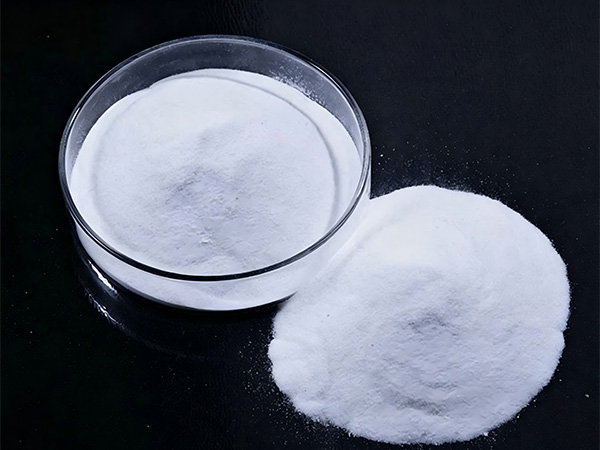
Fine powder
Dissolves faster,less clumping;ideal for beverages,home baking.
Coarser particle
Slower to dissolve but less dust;used in industrial food processing.
For most food manufacturers and home use,fine mesh is better.
4.Consider Transparency&Color
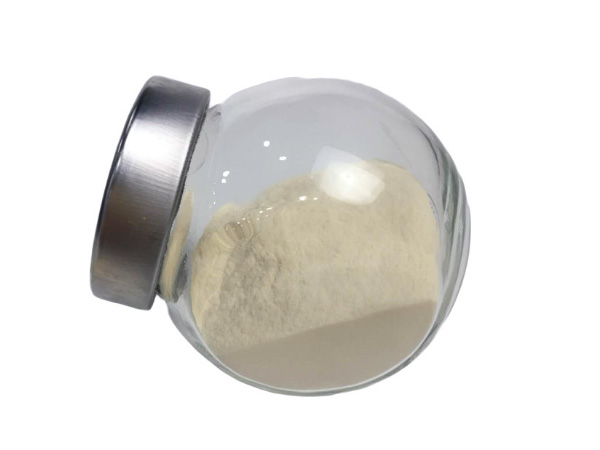
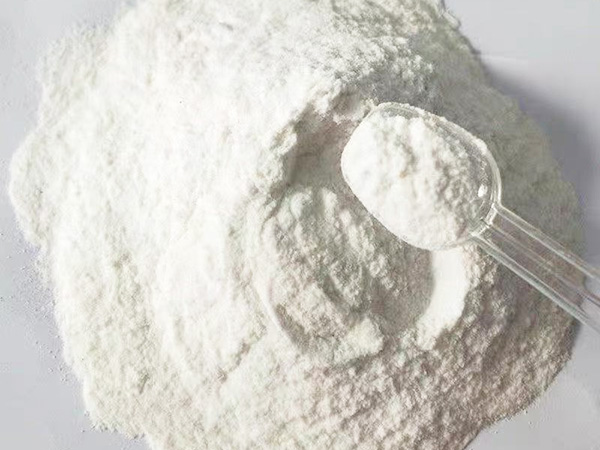
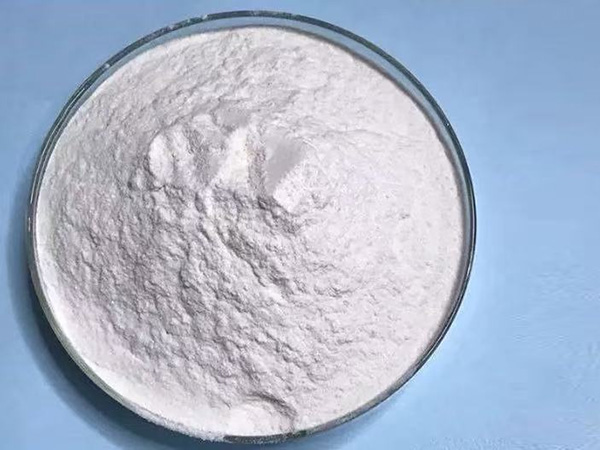
High‑quality food‑grade xanthan gum is off‑white to cream color,free of yellowing or dark spots.
It should dissolve into a clear,transparent solution without cloudiness or impurities.
Dark or cloudy after mixing often means lower purity.
5.Solubility&Hydration Speed
Good food‑grade xanthan gum:
disperses easily in water
doesn’t form tough lumps easily
reaches full viscosity smoothly within minutes
If it clumps badly or takes too long to thicken,quality is low.
6.Ash Content&Moisture
Higher‑purity grades have:
low ash content(usually≤10%or lower)
low moisture
This means fewer salts,impurities,and better stability in food.
7.Match to Your Application
Baking/gluten‑free bread:medium–high viscosity,fine powder
Drinks/juices:low viscosity
Sauces&dressings:medium viscosity
Ice cream&dairy:medium viscosity with good freeze‑thaw stability
Meat products:high viscosity for water retention