





What’s the Difference Between Food Grade and Industrial Grade Xanthan Gum?
2026-04-07 10:40:36
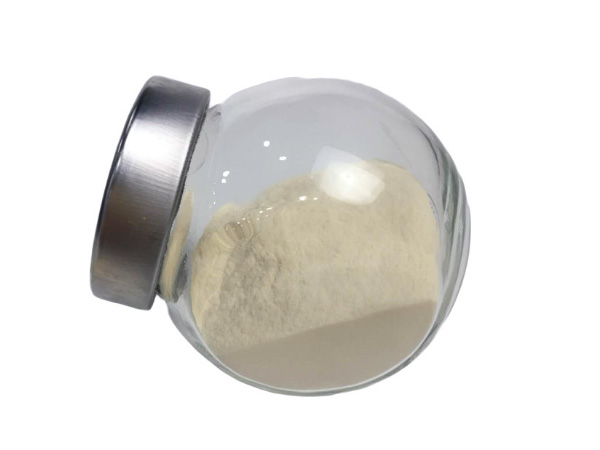
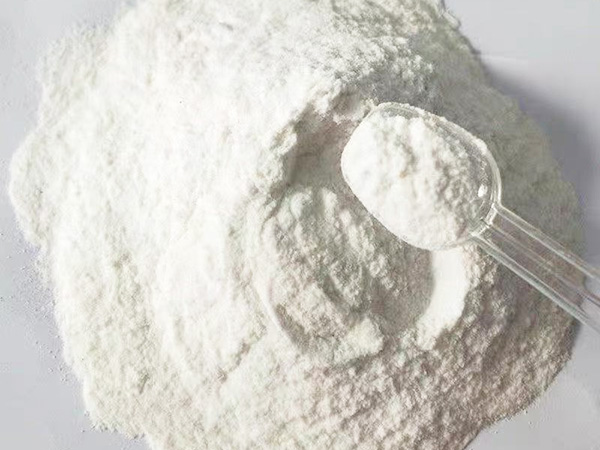
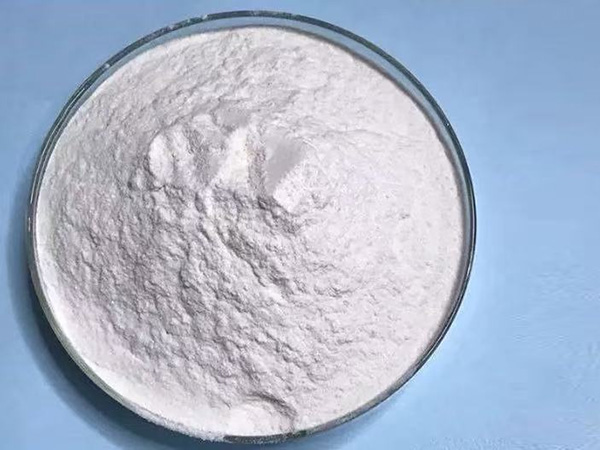
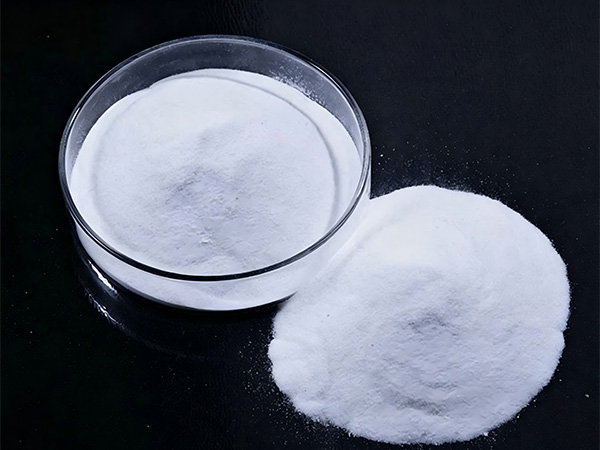
Food-grade and industrial-grade xanthan gum come from the same basic fermentation process,but they differ sharply in purity,safety,heavy metal limits,and intended use—and they are not interchangeable.
Food Grade Xanthan Gum
Made with food-safe raw materials and undergoes thorough purification.
Strictly controlled for heavy metals(lead,arsenic,mercury,etc.)and microorganisms(salmonella,E.coli,mold).
Meets national and international food safety standards(FDA,EFSA,GB standards,etc.).
Finer particle size,better solubility,and clean texture.
Used in food,beverages,gluten-free products,sauces,ice cream,toothpaste,and some cosmetics and pharmaceuticals.
Safe for human consumption at normal usage levels.
Industrial Grade Xanthan Gum
Produced with lower-cost raw materials and minimal purification.
Much looser limits on heavy metals,impurities,and bacteria;may contain harmful residues.
Not tested to food safety standards.
Particle size is often coarser,focused on thickening performance rather than taste or texture.
Mainly used in industrial applications:oil drilling fluids,paints,coatings,textiles,paper making,detergents,and other non-food products.
Not safe for eating—ingesting it can lead to heavy metal exposure or digestive irritation.
In short:food-grade is strictly purified for human safety,while industrial-grade is only optimized for industrial thickening,with no regard for edible safety.