





Can Nonionic Polyacrylamide be used for sludge dewatering?
2026-04-14 10:57:35
Can Nonionic Polyacrylamide be used for sludge dewatering?
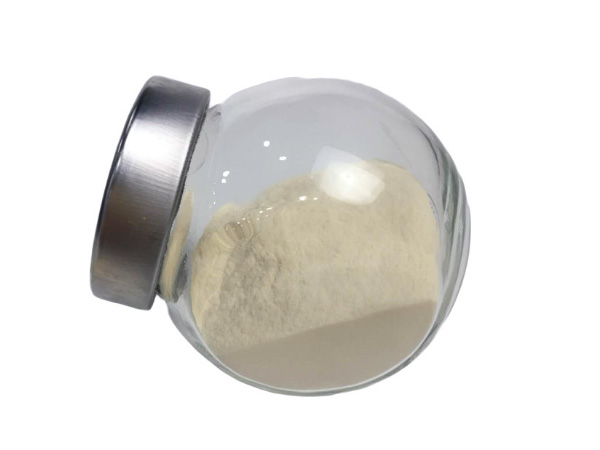
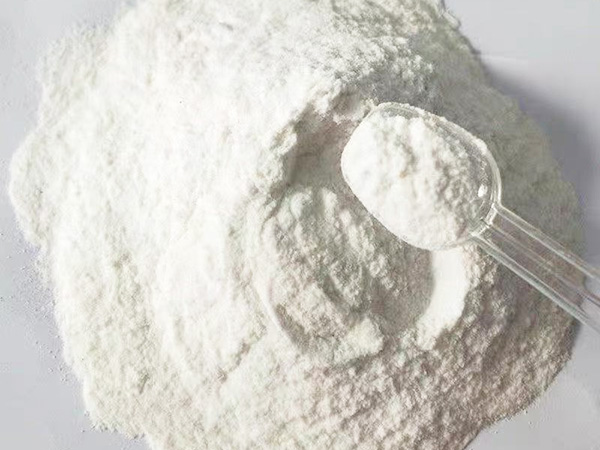
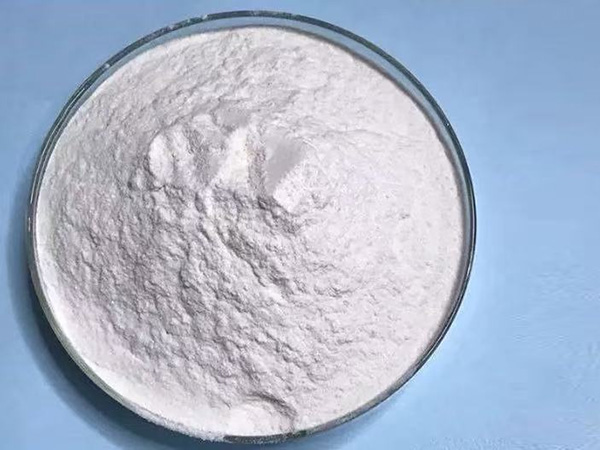
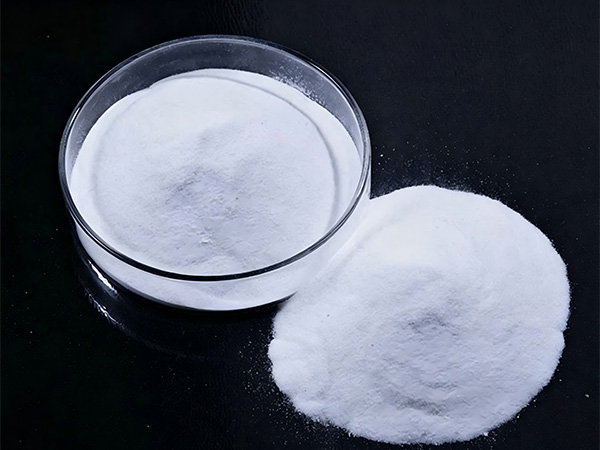
Yes,Nonionic Polyacrylamide(NPAM)can be used for sludge dewatering,and it is especially preferred in certain complex sludge conditions.
Main Performance&Applicable Scenarios
NPAM achieves sludge dewatering mainly through adsorption bridging of its long molecular chains,gathering fine sludge particles into compact flocs to improve filtration and reduce moisture content.
It is suitable for sludge from acidic,high‑salt,or weakly charged systems,such as electroplating sludge,mining tailings sludge,certain chemical sludge,and mixed industrial sludge.
Compared with cationic PAM(CPAM),NPAM is less affected by high salinity and metal ions,so it performs more stably in inorganic‑rich sludge.
It forms dense,shear‑resistant flocs,which is beneficial for belt filter presses,chamber filter presses,and centrifugal dewatering equipment.
Limitations
For sludge rich in organic matter(e.g.,typical municipal sludge),CPAM is generally more effective due to charge neutralization.
NPAM has no positive charge,so its flocculation speed is often slower than CPAM in organic sludge systems.
In short:NPAM can be used for sludge dewatering,and is an excellent choice for inorganic,acidic,or high‑salinity sludge.
References
GB/T 7714
Lee B J,Schlautman M A.Flocculation of Kaolinite Suspensions with Nonionic Polyacrylamide:Implications for Sludge Dewatering[J].Separation and Purification Technology,2016,163:112–120.
MLA
Lee,Byung Joon,and Mark A.Schlautman."Flocculation of Kaolinite Suspensions with Nonionic Polyacrylamide:Implications for Sludge Dewatering."Separation and Purification Technology,vol.163,2016,pp.112–120.
APA
Lee,B.J.,&Schlautman,M.A.(2016).Flocculation of kaolinite suspensions with nonionic polyacrylamide:Implications for sludge dewatering.Separation and Purification Technology,163,112–120.