





What are the properties of Polyanionic Cellulose?
2026-04-14 09:51:31
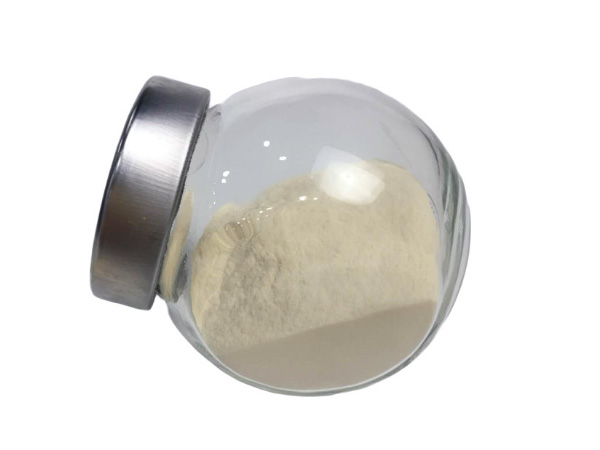
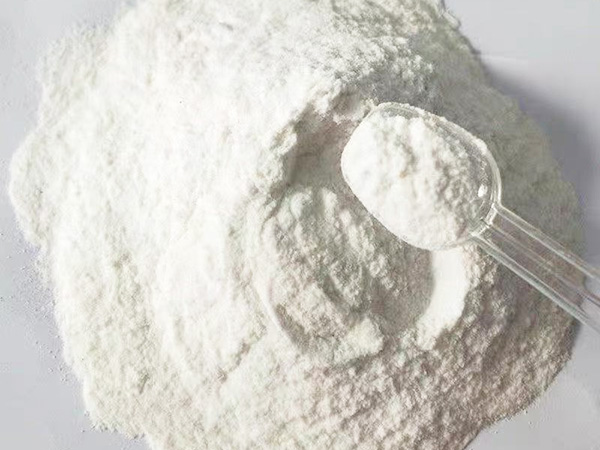
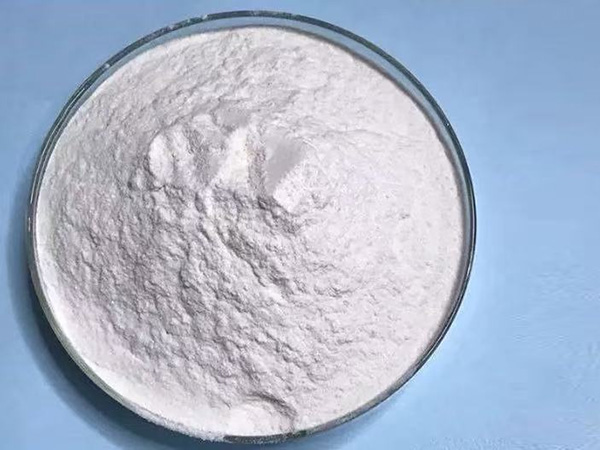
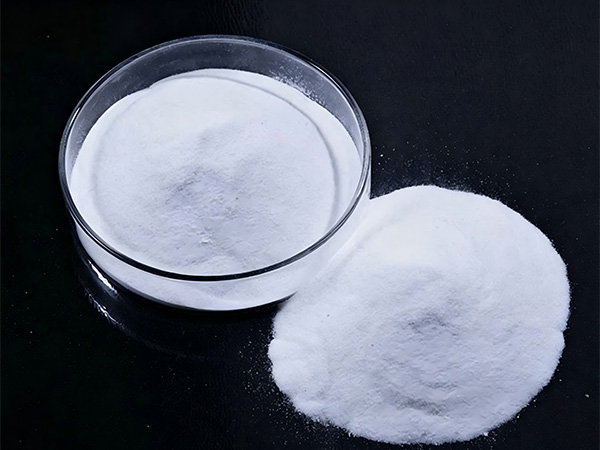
Polyanionic Cellulose(PAC)is a high-performance anionic water-soluble polymer with excellent comprehensive properties,making it superior to common cellulose ethers in harsh working conditions.Its main properties are as follows:
Water Solubility
PAC dissolves rapidly in cold and warm water to form a transparent,uniform viscous solution,with good dispersibility and no agglomeration.
Thickening&Rheological Modification
It significantly increases the viscosity of aqueous systems,stabilizes rheological properties,and provides excellent suspension and dispersion for solid particles.
Fluid Loss Control Performance
In water-based systems,PAC can form a dense,tough filter cake,effectively reducing fluid loss and protecting substrates or well walls.
Salt Resistance
It maintains stable performance in freshwater,saltwater,seawater,and high-calcium environments,and is less affected by metal ions.
Thermal Stability
PAC retains good viscosity and functional stability under medium and high temperatures,suitable for deep wells and high-temperature construction conditions.
Water Retention Capacity
It has strong water-holding ability,prevents premature water loss in materials,improves workability,and reduces cracking.
Chemical Stability
Stable under neutral and weak alkaline conditions;compatible with most additives in drilling fluids,construction,and daily chemical formulations.
Safety&Environmental Friendliness
Non-toxic,non-irritating,biodegradable,and compliant with industrial and food-grade safety standards.
References
GB/T 7714
Zhang H,Wang Q,Zhou L.Study on application properties of polyanionic cellulose[J].Journal of Materials Science and Engineering,2019,37(2):310-314.
MLA
Zhang,Hao,et al."Study on Application Properties of Polyanionic Cellulose."Journal of Materials Science and Engineering,vol.37,no.2,2019,pp.310–314.
APA
Zhang,H.,Wang,Q.,&Zhou,L.(2019).Study on application properties of polyanionic cellulose.Journal of Materials Science and Engineering,37(2),310–314.