





What Is Food Grade Xanthan Gum Used for in Food?
2026-04-13 09:41:51
What Is Food Grade Xanthan Gum Used for in Food?
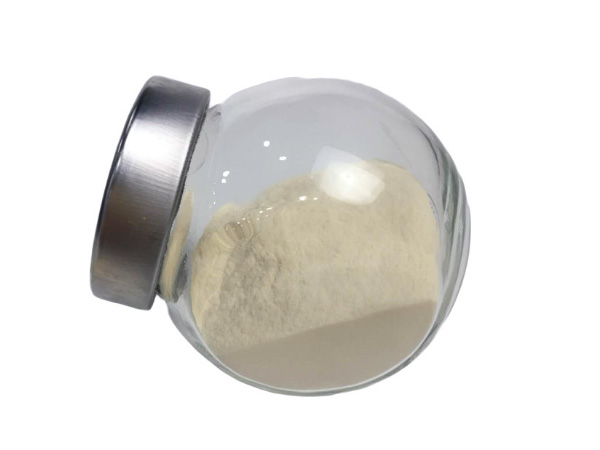
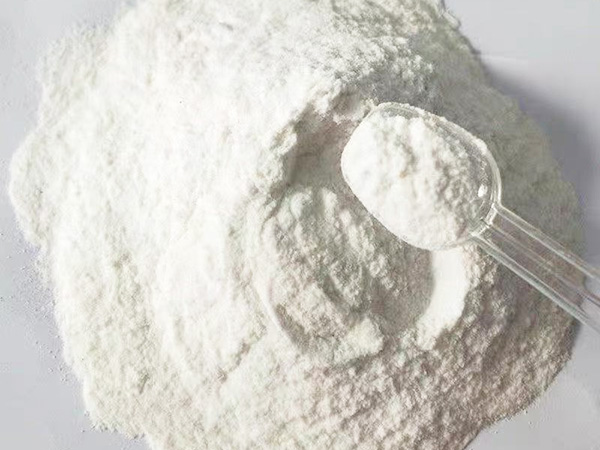
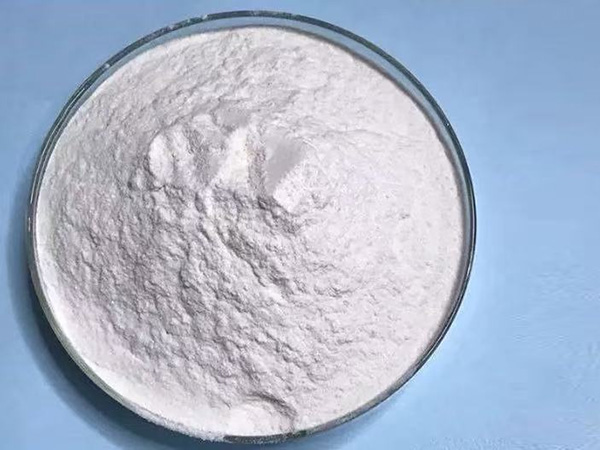
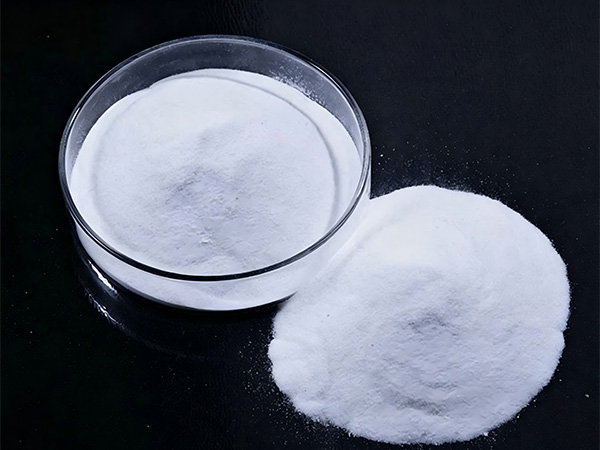
Food grade xanthan gum(E415)is a highly versatile polysaccharide widely used as a thickener,stabilizer,emulsifier,and suspending agent in the food industry.It is highly stable under a wide range of temperatures,pH values,and ionic conditions,making it suitable for nearly all types of food processing.Its main food applications include:
Beverages:Used in juices,soft drinks,protein drinks,and plant‑based beverages to prevent sedimentation,improve mouthfeel,and maintain uniform suspension of particles.
Dairy&plant‑based alternatives:Added to yogurt,ice cream,cream,and vegan milk to improve texture,prevent ice crystal formation,and enhance stability during storage.
Bakery&gluten‑free products:Improves dough structure,water retention,and volume in bread,cakes,and pastries;it is especially essential in gluten‑free baking to replace gluten’s viscoelastic properties.
Sauces,dressings&condiments:Thickens ketchup,mayonnaise,salad dressings,and sauces while preventing oil separation and maintaining flowability.
Meat&seafood products:Enhances water retention,reduces cooking loss,and improves juiciness in sausages,ham,surimi,and processed meats.
Confectionery&desserts:Provides smooth texture in jellies,fillings,marshmallows,and ready‑to‑eat desserts.
Low‑fat&reduced‑calorie foods:Used to simulate the texture of fat without adding calories,widely applied in light and diet foods.
Due to its high efficiency,small dosage,and strong compatibility with other hydrocolloids such as guar gum and CMC,xanthan gum has become one of the most widely used food additives worldwide.
References
GB/T 7714
Garcia-Ochoa F,Santos V E,Casas J A,et al.Xanthan gum:production,recovery,and properties[J].Biotechnology Advances,2000,18(7):549-579.
MLA
Garcia-Ochoa,F.,et al."Xanthan Gum:Production,Recovery,and Properties."Biotechnology Advances,vol.18,no.7,2000,pp.549–579.
APA
Garcia-Ochoa,F.,Santos,V.E.,Casas,J.A.,&Gomez,E.(2000).Xanthan gum:Production,recovery,and properties.Biotechnology Advances,18(7),549–579.https://doi.org/10.1016/S0734-9750(00)00050-2