





Xanthan Gum in Cosmetics and Personal Care
2026-09-17 06:50:13
Pick up almost any cream, serum, or gel from a bathroom shelf and there is a fair chance xanthan gum is doing quiet work inside the bottle. It rarely gets named on the front of the package, yet this fermented polysaccharide has become a go-to structuring agent for formulators who need a product that feels right, stays stable on the shelf, and keeps its active ingredients evenly dispersed. For a material that started life in industrial drilling muds, its move into skincare and haircare says a lot about how flexible one polymer can be.
Why Formulators Reach for Xanthan Gum
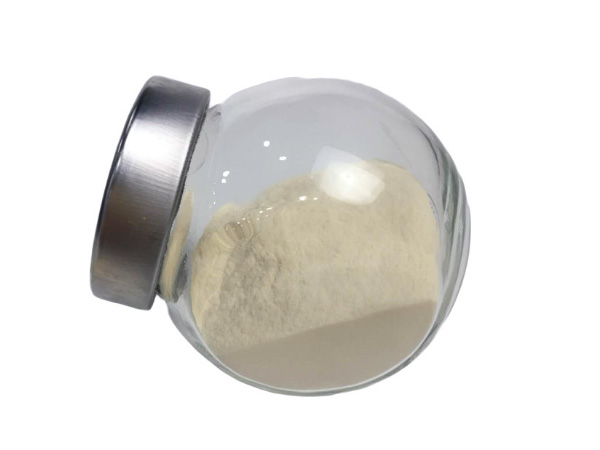
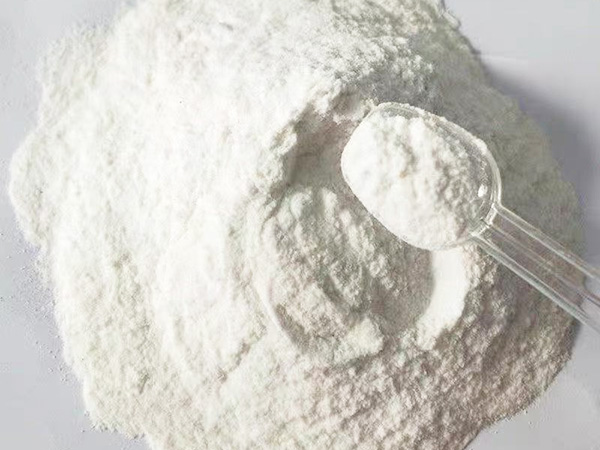
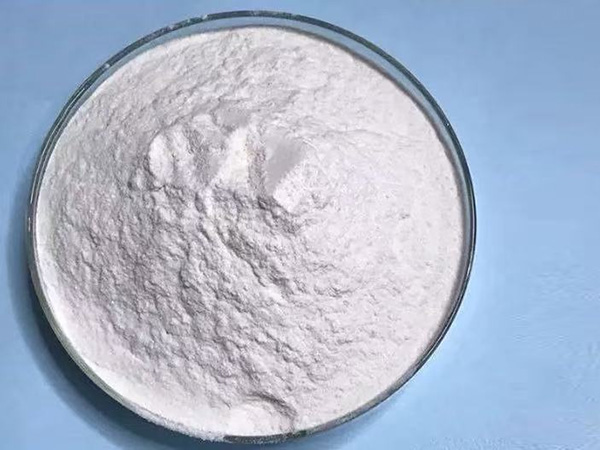
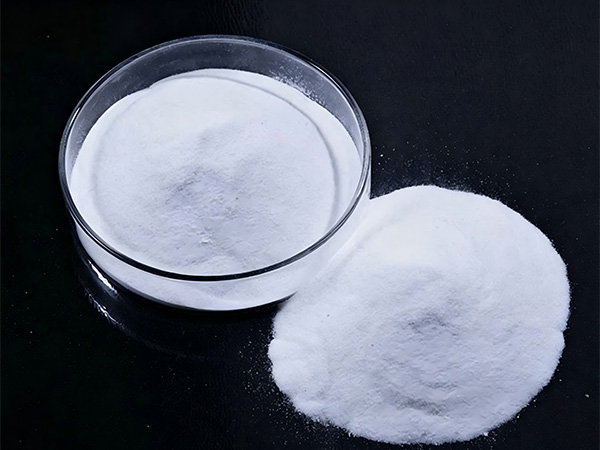
The appeal is mostly about control. Xanthan gum builds viscosity at very low use levels — often well under one percent of the formula — which means it does its job without making a product feel heavy or greasy. It also dissolves in cold water, a real advantage on a production line where heating every batch is slow and expensive. A cosmetic-grade xanthan gum from a reputable manufacturer will flow freely as a powder, disperse without clumping when added correctly, and give a smooth, non-gritty finish in the final product.
Another point formulators like is pseudoplasticity. The gel thins under the shear of a pump or a fingertip and then thickens again once that force stops. That is why a serum pours easily from the dropper but sits where you place it on the skin instead of running off.
Stabilizing Emulsions in Creams and Lotions
Most creams are emulsions — oil droplets held inside a water phase, or the reverse. Left alone, those droplets want to merge and split into layers. Xanthan gum helps hold the structure by increasing the viscosity of the continuous phase, slowing the movement of droplets so they cannot easily collide and coalesce. It is not usually the only stabilizer in a cream, but it backs up the primary emulsifier and improves the long-term look of the product sitting in a warehouse for months.
In lightweight lotions where a heavy wax feel would be a dealbreaker, xanthan gum lets the formulator keep body and stability without resorting to large amounts of oil. That matters for summer products, facial moisturizers, and anything marketed as light or non-comedogenic.
Building Texture in Serums and Gels
Serums and clear gels lean on xanthan gum even more directly. With no oil to give body, the polymer alone provides the slip and cushion customers expect. A well-made gel will spread without stringiness and break cleanly when rubbed in. Too little polymer and the serum feels like water; too much and it turns slimy. Most formulators land in a narrow band, then adjust with a secondary thickener such as a cellulose derivative if a specific mouthfeel is needed.
Suspending Particles in Scrubs and Cleansers
Exfoliating scrubs, cleansing gels with beads, and tinted products with pigment all face the same problem: heavy particles settle to the bottom. Xanthan gum suspends them by creating a weak gel network that holds particles in place until the consumer shakes or pumps the product out. This keeps the first use and the last use looking identical, which is exactly what a buyer expects from a finished cosmetic.
Mildness and Skin Compatibility
Skin tolerance is a frequent question, and xanthan gum scores well here. It is not absorbed through the skin, does not sensitize easily, and sits inert on the surface. Regulatory bodies in the major markets accept it as a cosmetic ingredient. That natural origin — a fermented sugar rather than a petrochemical — is part of why brands highlight it.
Working With a Reliable Supplier
Not every xanthan gum suits a cosmetic line. Cosmetic and personal care grades must meet tighter limits on microbiology, heavy metals, and residual solvents than industrial grades, and they need consistent particle size so batches behave the same on the line. A qualified xanthan gum supplier will hand over a full certificate of analysis, confirm compliance with the relevant cosmetic regulations, and keep specifications steady across deliveries so the factory does not have to rework formulas every time a new lot arrives.
For private-label brands and contract manufacturers, that consistency is the real value. A supplier who can also advise on dispersion method — slow addition under agitation, pre-slurry in glycerin, or direct dusting — saves the plant from the gritty lumps that ruin a batch. The right manufacturer treats the polymer as part of the process, not just a commodity bag.
Final Thoughts
Xanthan gum earned its place in cosmetics by solving everyday problems: keep the emulsion together, hold the particles up, give the serum its slip, and do it all at a fraction of a percent. It is a quiet ingredient, but a competent one, and for brands building on natural positioning it fits the story as well as the formula. Choosing a supplier with genuine cosmetic-grade capability turns that reliability into something a production manager can count on shipment after shipment.
References
Baby, G. & Ravichandran, K. (2015). "Applications of Xanthan Gum in Cosmetics and Pharmaceuticals." International Journal of Pharmaceutical Sciences and Research, 6(4), 1428-1436.
Saberi, A.H., et al. (2015). "Characterization of Thickened Emulsion Systems for Cosmetic Applications." Journal of Colloid and Interface Science, 449, 447-456.
Katzbauer, B. (1998). "Properties and Applications of Xanthan Gum." Polymer Degradation and Stability, 59(1-3), 81-84.