





Anionic Polyacrylamide in Water and Wastewater Treatment
2026-10-16 06:14:24
Clarifiers do not fail dramatically. They fail slowly, over a shift: floc that used to settle in twenty minutes starts drifting across the tank, blanket level creeps up, and someone finally notices turbidity climbing in the filtered water. By then the cause is usually upstream of anything mechanical. In most plants, an anionic polyacrylamide is what makes the difference between a clarifier that runs for years and one that needs attention every week — provided it is selected properly, prepared properly, and verified against the residual monomer limits that govern potable applications. A polyacrylamide supplier who understands those limits is part of the treatment train, not just a vendor.
How Bridging Flocculation Works
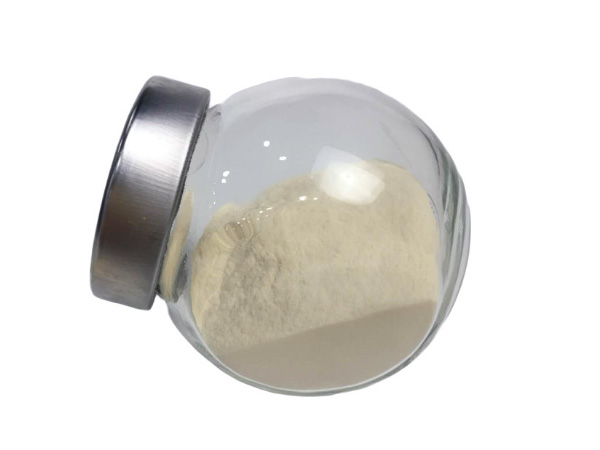
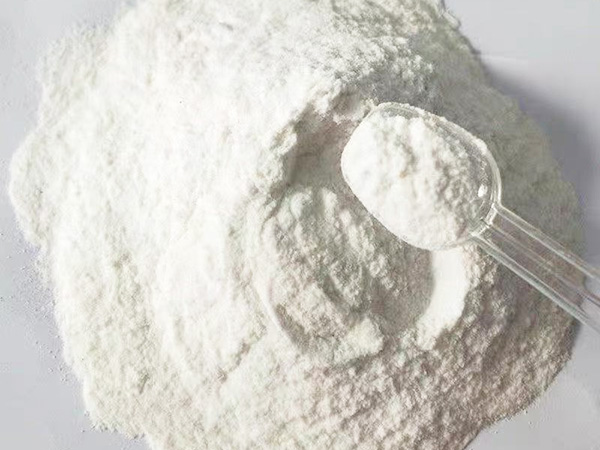
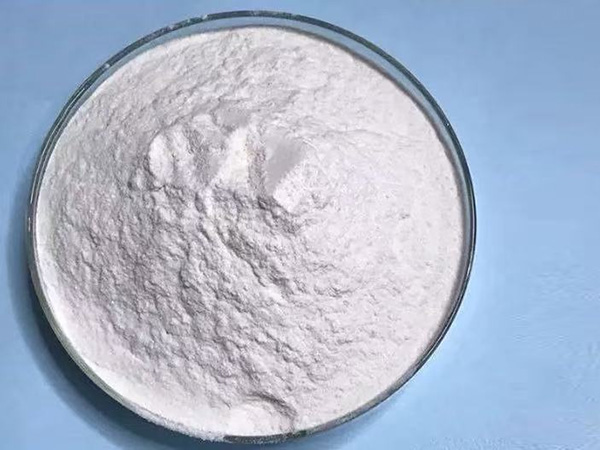
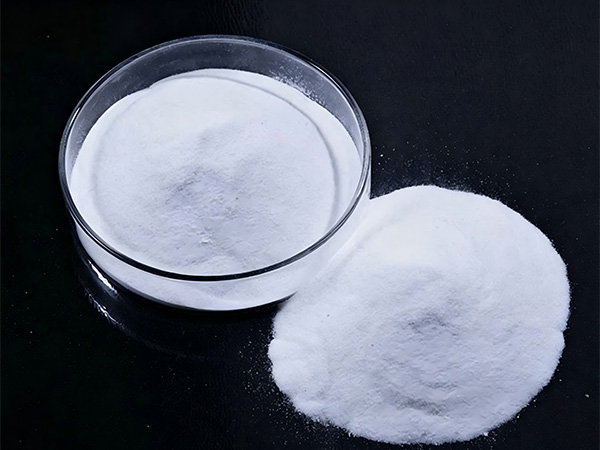
Anionic polyacrylamide is a copolymer of acrylamide with anionic monomers such as sodium acrylate, giving a long linear chain with regularly spaced negative charges. Two things happen when it meets suspended particles. Charge neutralisation reduces the repulsive forces holding fine colloids apart, which allows particles to come together at all. Then, more importantly, a single long chain attaches at several points to several particles simultaneously, forming bridges that pull everything into a large aggregate. The resulting floc is far bigger and stronger than anything produced by metal salts alone, settles several times faster, and resists breakup under moderate shear. Because bridging depends on the chain being long, molecular weight is the single most influential specification — commonly several million, and in some grades considerably higher.
Drinking Water Clarification
In potable treatment the usual arrangement is a metal coagulant doing the destabilisation, followed by the polymer acting as a coagulant aid. Doses are small — often well below one milligram per litre — and the benefit is disproportionate: better floc, faster settling, longer filter runs, and lower carryover of aluminium or iron residuals. Practically speaking, the plant gains headroom: higher flow through existing basins, or the same rate with a wider safety margin during turbidity spikes after storms. Substituting polymer for part of the metal coagulant also cuts sludge, and disposal is a large budget line.
Wastewater and Process Water
Industrial effluent usually arrives dirtier and more variable than municipal flows, often carrying finely divided solids, oils or residual process chemicals, so chemical treatment sits alongside the biological stages rather than replacing them. Anionic PAM remains the standard starting point for inorganic suspensions — mine tailings, steel mill scale pit water, coal washery fines, dredged sediment — performing best in neutral to alkaline water with appreciable dissolved solids. Selecting the right grade means matching charge density to the actual suspension, and a jar test determines that objectively: vary charge density and molecular weight across candidates, measure settling rate and clarity, and let the result choose.
Sludge Thickening and Conditioning
Downstream, the same polymer class conditions sludge before mechanical dewatering, releasing bound water so the cake discharges drier. Centrifuges, belt presses and screw presses each prefer different molecular and charge profiles, and overdosing is expensive twice over — wasted chemical and thicker sludge, since excess polymer binds free water instead of releasing it. The improvement is substantial: better polymer selection alone can lift belt-press cake dryness by several points, which changes how often trucks leave the site.
Preparation Is Where Plants Go Wrong
More APAM performance is lost in the make-down unit than in the polymer itself. Dissolved insufficiently, the active material never delivers its molecular weight to the process; mixed too aggressively, the chains shear into shorter fragments that flocculate poorly. Standard preparation is a dilute stock solution of a few grams per litre, dosed and mixed gently, then diluted at the point of addition. Wetting must be complete before viscosity develops, or you get fisheyes — gel lumps with dry cores that clog lines and pumps. Age the solution long enough to dissolve, typically tens of minutes, and use it within a day or two, since prepared solutions lose performance as they stand.
Residual Monomer and Compliance
The polymer itself is not the concern. Residual acrylamide monomer is, because acrylamide is classified as a probable human carcinogen. For drinking water use, NSF/ANSI 60 provides the health-effects certification that the polymer is acceptable for potable systems, and products are held to tight residual monomer ceilings so the treated water stays within the WHO drinking-water guideline for acrylamide. Any plant drawing water for human consumption needs documentation demonstrating compliance, and that documentation comes from the manufacturer.
Choosing Grade and Supplier
Treat molecular weight, charge density, and form as three separate purchase decisions rather than one. Form choices include dry powder — higher active content, cheaper to ship, requiring full make-down equipment — and emulsion, which is faster to prepare but carries oil and surfactant. Insist on jar testing against candidate grades under real process conditions, since laboratory recommendations made in clean water rarely survive contact with actual effluent. Then hold the supplier to lot consistency and documented monomer analysis, and the clarifier should stay boring for years.
References
Bolto, B. & Gregory, J. (2007). Organic polyelectrolytes in water treatment. Water Research, 41(11), 2301-2324.
Bratby, J. (2016). Coagulation and Flocculation in Water and Wastewater Treatment, 3rd Edition. IWA Publishing, London.
NSF/ANSI 60 (2023). Drinking Water Treatment Chemicals — Health Effects. NSF International.
World Health Organization (2011). Guidelines for Drinking-water Quality, 4th Edition. WHO, Geneva — acrylamide representative value.