





Food Grade Xanthan Gum vs Other Thickeners: A Complete Comparison Guide
2026-05-15 02:25:35
In contemporary food manufacturing, achieving optimal texture, stability, and consistency is crucial for ensuring product quality. Thickeners play a vital role in this process, aiding in enhancing mouthfeel, preventing ingredient separation, and guaranteeing uniformity across various food systems. Among the numerous thickening options available, food-grade xanthan gum is one of the most widely utilized. Nevertheless, it is not the sole thickener on the market. Other prevalent alternatives include guar gum, starch, carrageenan, pectin, and gelatin—each boasting unique characteristics and specific application scenarios. Grasping the differences between these thickeners enables manufacturers to select the most suitable ingredient for their specific formulations.
What Is Food-Grade Xanthan Gum?
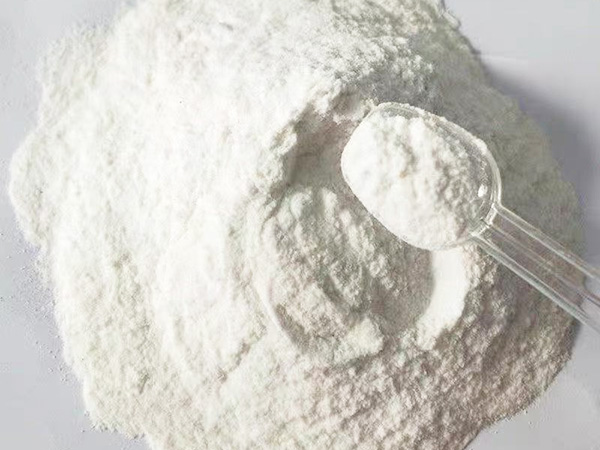
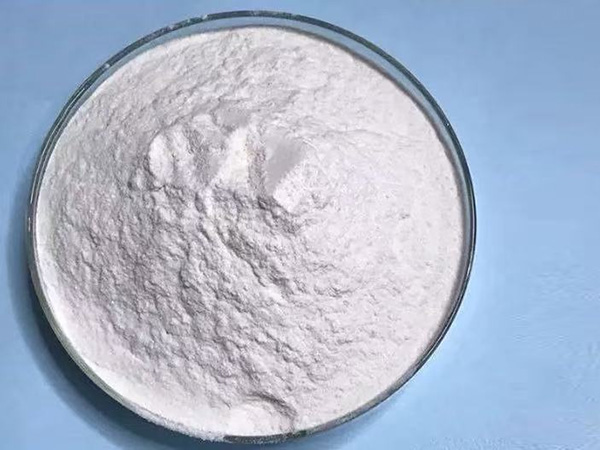
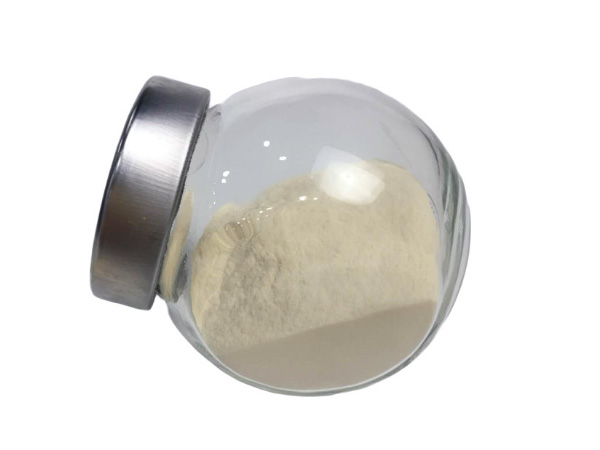
Food-grade xanthan gum is a natural polysaccharide produced by fermenting sugars with the bacterium Xanthomonas campestris. Following purification and drying, it is transformed into a fine powder, which serves as a thickener, stabilizer, and suspending agent in food processing. It is highly valued for its ability to:
Boost viscosity even at extremely low usage levels
Maintain stability under heat, acidic conditions, and mechanical stress
Suspend particles uniformly in liquids
Deliver consistent texture across a wide variety of products
Xanthan Gum vs Guar Gum
Guar gum is another extensively used plant-based thickener. It hydrates rapidly in cold water and generates high viscosity. However, in comparison to xanthan gum, guar gum is less stable under harsh processing conditions, such as high temperatures, acidic environments, or intense mechanical mixing. Xanthan gum retains its structure far more effectively under these circumstances, making it more appropriate for processed foods and industrial applications. In practical use, guar gum is frequently employed in cold systems like ice cream and dairy beverages, whereas xanthan gum is preferred for sauces, dressings, and beverages that demand long-term stability.
Xanthan Gum vs Starch
Starch—including corn starch and modified starch—is one of the most traditional thickeners used in food preparation. The primary distinction is that starch requires heat to activate its thickening properties, while xanthan gum functions effectively in both hot and cold systems. Additionally, starch can break down under acidic conditions or prolonged storage, resulting in texture instability. For this reason, starch is commonly used in home cooking and basic food applications, while xanthan gum is favored in processed and ready-to-eat products where consistency and shelf life are critical factors.
Xanthan Gum vs Carrageenan
Carrageenan is a seaweed-derived ingredient renowned for its strong gelling capabilities, particularly in dairy systems. Unlike xanthan gum, which primarily increases viscosity and stabilizes mixtures, carrageenan forms gel-like structures and is often used to create specific textures in products such as dairy desserts and processed meats. Carrageenan’s performance is highly dependent on protein interactions, making it more specialized. In contrast, xanthan gum offers greater application flexibility and works effectively across a wider range of food systems.
Xanthan Gum vs Pectin
Pectin is a natural gelling agent derived from fruits, most commonly used in jams and jellies. Its main limitation is that it requires both sugar and acid to form a stable gel structure. Without these conditions, its functionality is significantly reduced. On the other hand, xanthan gum does not rely on sugar or acid levels and can function effectively in a broad range of formulations. This makes it more versatile for industrial food processing beyond fruit-based products.
Xanthan Gum vs Gelatin
Gelatin is a protein-based thickener derived from animal collagen. It is widely used in desserts and confectionery due to its elastic gel structure. However, gelatin is sensitive to heat and melts at relatively low temperatures. It is also unsuitable for vegetarian or vegan formulations. Xanthan gum provides a plant-based alternative that remains stable under heat and freezing conditions. While it does not form the same elastic gel as gelatin, it delivers reliable thickening and stabilization in a broader range of food applications.
Why Xanthan Gum Is So Widely Used
Compared to other thickeners, xanthan gum stands out due to its unique combination of properties. It performs consistently across different temperatures, pH levels, and processing conditions. It also works effectively at very low concentrations, making it highly cost-efficient for manufacturers. Another major advantage is its ability to maintain product stability during storage, transportation, and shelf life. This minimizes separation, sedimentation, and texture changes over time. Furthermore, xanthan gum aligns well with modern food trends, such as gluten-free, vegan, and clean-label product development, making it highly relevant in today’s global food market.
Conclusion
Each thickener in the food industry has its own strengths and ideal application scenarios. Guar gum is effective for rapid thickening in cold systems, starch is suitable for traditional cooking, carrageenan and pectin specialize in gel formation, and gelatin offers unique animal-based textures. However, food-grade xanthan gum remains the most versatile and stable option, making it a key ingredient in modern food processing. Its ability to perform under diverse conditions while maintaining consistent quality ensures its continued importance in the global food industry.
References
GB/T 7714: A Comparative Study of Food-Grade Xanthan Gum and Alternative Thickeners in Food Formulations. Journal of Food Science and Technology
MLA:Stability Comparison of Xanthan Gum and Guar Gum Under Harsh Industrial Processing Conditions. Food Hydrocolloids
APA:Xanthan Gum vs. Starch: Functional Differences and Application Scenarios in Processed Foods. Journal of Cereal Science