





How does CPAM remove organic pollutants in wastewater?
2026-04-14 10:39:15
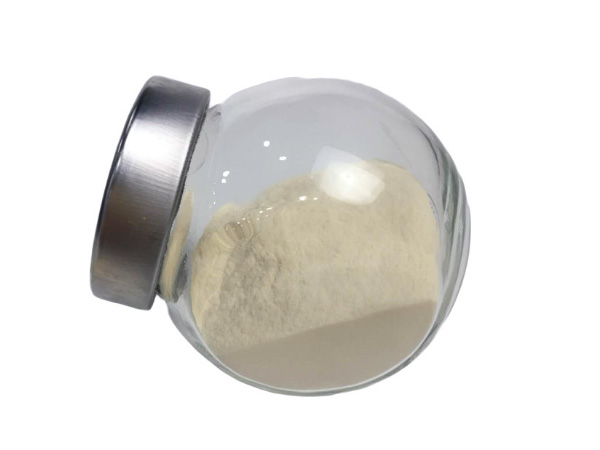
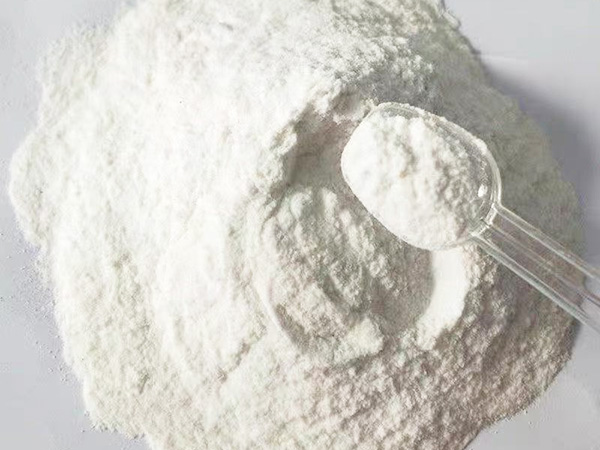
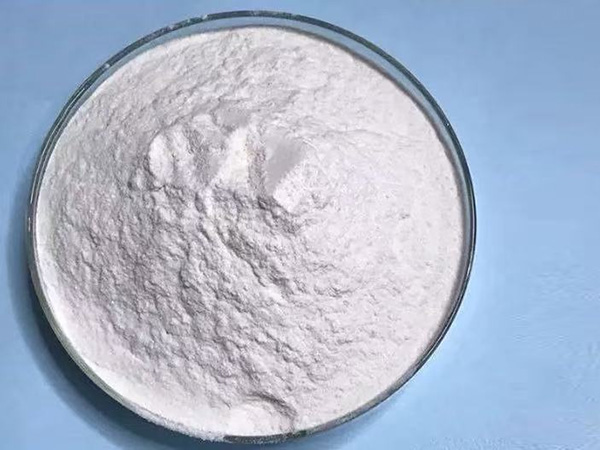
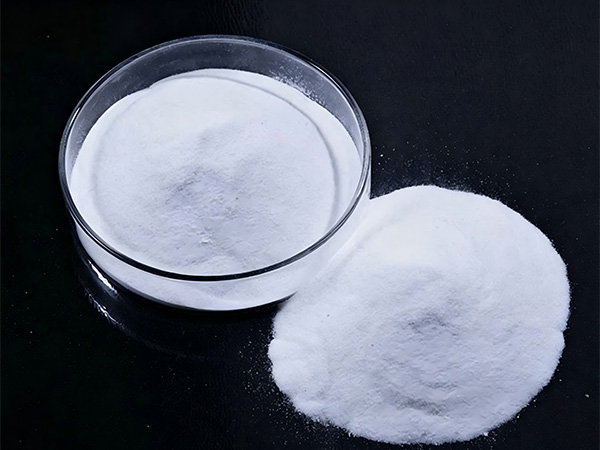
Cationic Polyacrylamide(CPAM)removes organic pollutants mainly through charge neutralization,adsorption bridging,netting&sweeping,and co-precipitation.Most organic contaminants in wastewater are negatively charged colloids,which makes CPAM especially effective.
Charge Neutralization
Organic colloids,oils,proteins,humus,bacteria,and algae are all negatively charged and stably dispersed.
CPAM’s positive cationic groups neutralize these negative charges,eliminating electrostatic repulsion so particles begin to aggregate.
Adsorption Bridging
Long-chain CPAM molecules adsorb multiple organic particles simultaneously,linking them into large,dense flocs.
This bridges fine organic matter that cannot be removed by physical sedimentation alone.
Sweeping and Netting Effect
As flocs grow,they trap and enmesh dissolved organic macromolecules,fine suspended solids,and even some color-causing groups during settling,pulling them out of the water.
Co-Precipitation with Inorganic Coagulants
When used with PAC,ferric sulfate,or aluminum salts,
inorganic coagulants destabilize organic colloids,
while CPAM forms large,fast-settling flocs,
greatly improving removal efficiency of COD,BOD,color,and turbidity.
Sludge Separation
Flocs containing organic pollutants settle rapidly into sludge,
which is then removed by sedimentation,flotation,or filtration,
completing the removal of organic pollutants from wastewater.
References
GB/T 7714
Li S,Wang H,Zhang Y.Removal mechanism of organic pollutants by cationic polyacrylamide in wastewater.Environmental Engineering,2022,40(2):112–116.
MLA
Li,S.,H.Wang,and Y.Zhang."Removal Mechanism of Organic Pollutants by Cationic Polyacrylamide in Wastewater."Environmental Engineering,vol.40,no.2,2022,pp.112–116.
APA
Li,S.,Wang,H.,&Zhang,Y.(2022).Removal mechanism of organic pollutants by cationic polyacrylamide in wastewater.Environmental Engineering,40(2),112–116.