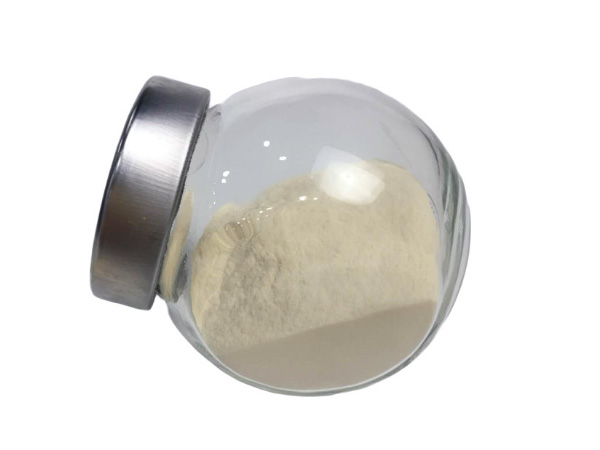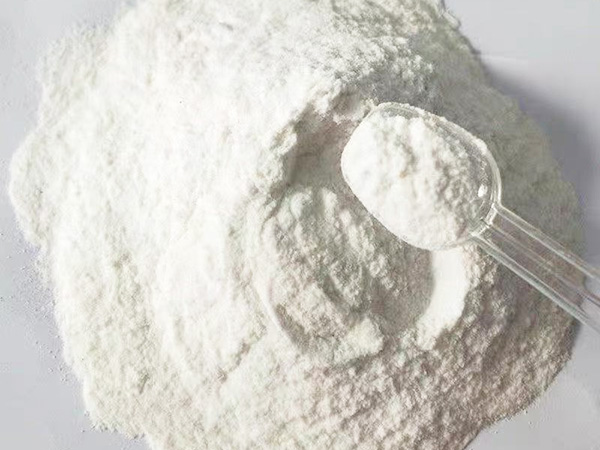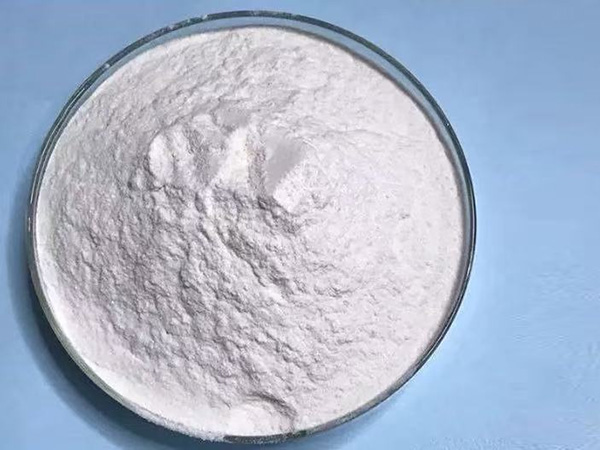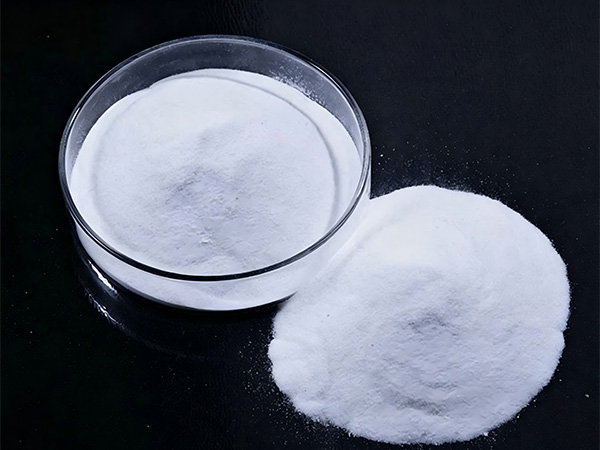






Non-Ionic Polyacrylamide (NPAM) Industrial Applications
2026-07-17 09:00:03
Among the family of polyacrylamide polymers, non-ionic polyacrylamide occupies a distinctive niche. Unlike its anionic and cationic cousins, NPAM carries no net electrical charge on its polymer chain. This absence of ionic character might sound like a limitation, but in practice it opens up a set of applications where neutrality is exactly what the process requires. Understanding when and why to use NPAM — rather than reaching automatically for a charged polymer — is a piece of knowledge that pays dividends in any water treatment or industrial process operation.

The Chemistry of Non-Ionic Polyacrylamide
NPAM is synthesized through the polymerization of acrylamide monomers without the introduction of any ionic co-monomers. The result is a linear polymer with the repeating unit —CH2—CH(CONH2)— distributed along the chain. The amide groups are polar but electrically neutral, meaning NPAM interacts with its environment through hydrogen bonding and van der Waals forces rather than electrostatic attraction. This neutral character gives it some unusual and useful properties in specific application contexts.
The molecular weight of NPAM products typically ranges from 5 to 15 million, and this parameter has a direct influence on its thickening and flocculation performance. Higher molecular weight grades produce more viscous solutions and more effective particle bridging, while lower molecular weights offer faster dissolution and better penetration into dense or packed materials.
When NPAM Is the Better Choice Over Charged Polymers
The decision to use NPAM rather than an anionic or cationic polyacrylamide usually comes down to the nature of the system being treated. In processes where the suspended particles or substrates are already charged — or where the ionic strength of the medium is extremely high — adding a charged polymer can sometimes create problems rather than solve them. In those situations, NPAM's neutral character lets it interact with particles through physical entanglements and hydrogen bonding without the complications that charge interference introduces.
One classic example is in relatively pure water systems with low ionic strength, where introducing a charged polymer can cause chain contraction and reduced bridging efficiency due to intramolecular electrostatic repulsion. In those cases, the uncharged NPAM chain remains extended and flexible, providing better flocculation performance per unit of polymer added.
Water Treatment and Purification Applications
NPAM is widely used as a flocculating agent in municipal and industrial water treatment, particularly in situations where the water chemistry is well-balanced and the turbidity is primarily composed of inert suspended solids rather than highly charged colloidal material. In these conditions, NPAM works effectively as a coagulant aid, building larger and faster-settling flocs from the microflocs created by primary coagulants.
Its high water absorption capacity also makes NPAM useful in sludge thickening applications, where it helps reduce the volume of sludge by accelerating the release of bound water from the floc structure. This water-releasing characteristic is particularly valued in systems that aim to minimize sludge disposal volumes.
Oil and Gas Industry Applications
In the oil and gas sector, NPAM finds application in several niche but important areas. As an oil displacement agent in enhanced oil recovery operations, NPAM's uncharged polymer structure can be advantageous in reservoir conditions where high salinity might neutralize the effectiveness of charged polymers. By increasing the viscosity of the injected water, NPAM helps improve sweep efficiency and displace more oil from the reservoir rock.
NPAM is also used in drilling fluid applications where the mud system requires a neutral polymer that does not interact aggressively with formation clays or ionic species present in the drilling environment. Its ability to build viscosity and suspend solids without introducing additional ionic strength makes it a useful component in certain specialized mud formulations.
Papermaking and Textile Industry Uses
In the pulp and paper industry, NPAM serves as a retention and drainage aid, helping to retain fine fibers and fillers in the paper sheet while simultaneously improving water drainage on the paper machine wire. This dual benefit — improved retention of valuable raw materials and faster machine speeds — translates directly to economic advantages for paper manufacturers.
The textile industry uses NPAM primarily as a dispersing agent and thickener in dye and finishing formulations. Its ability to maintain stable viscosity in chemically complex dye baths makes it a useful tool in achieving uniform color distribution and controlled dye application rates. The uncharged nature of NPAM means it does not interfere with ionic dye molecules, allowing it to function purely as a rheology modifier.
Mining and Mineral Processing Applications
Mineral processing operations benefit from NPAM's flocculation properties in several ways. It is effective in the thickening and dewatering of mineral tailings — particularly in circuits where the ionic composition of the process water makes charged polymers less effective. NPAM helps aggregate fine mineral particles into settleable flocs, enabling faster water recovery and higher solids concentrations in the underflow for recycling or disposal.
In some mineral flotation circuits, NPAM is used as a depressant or activator to modify the surface chemistry of specific mineral particles, though these applications tend to be process-specific and require careful evaluation of the particular ore characteristics.
Sourcing NPAM from a Reliable Supplier
For industrial users, sourcing NPAM from a manufacturer with consistent product quality and technical application support is important. Different production processes can yield NPAM products with varying residual monomer content, molecular weight distribution, and dissolution characteristics — all of which affect field performance. A qualified NPAM supplier will provide batch-specific testing data and can offer application guidance to help customers optimize their dosing and formulation.
Final Thoughts
Non-ionic polyacrylamide is a versatile polymer that often gets overlooked in favor of its more widely promoted anionic and cationic counterparts. However, in the right applications — low-ionic-strength water treatment, high-salinity oil reservoirs, specialized papermaking processes, and mineral processing circuits — its neutral character is precisely what makes it the most effective choice. Taking the time to understand when NPAM is the better option, rather than defaulting to a charged polymer, can lead to better treatment results and more cost-effective process performance.
References
Ruben, G.C. & Bekele, M. (2016). "Non-Ionic Polyacrylamide in Water Treatment: A Review." Journal of Water Process Engineering, 14, 1-7.
Sorbie, K.S. (1991). Polymer-Improved Oil Recovery. Springer Science & Business Media.
Au, P.I. & Leong, Y.K. (2013). "Rheological and Zeta Potential Behaviour of Kaolin and Montmorillonite Composite Slurries." Applied Clay Science, 83-84, 32-41.