





Understanding Carboxymethyl Cellulose: A Key Additive for Multiple Industries
2026-05-21 03:50:01
Carboxymethyl Cellulose (CMC) is a high-performance water-soluble polymer derived from natural cellulose. Boasting unique thickening, stabilization, film-forming and bonding characteristics, this multi-functional chemical additive has become indispensable across food processing, pharmaceutical manufacturing, petroleum drilling, ceramic production, textile processing and papermaking industries. It effectively optimizes product quality, stabilizes production processes and boosts overall operational efficiency for diverse industrial scenarios. This paper comprehensively introduces the definition, core functional properties and mainstream industrial applications of CMC, and elaborates on the importance of high-purity CMC materials and professional manufacturers for standardized industrial production.
Basic Introduction to Carboxymethyl Cellulose (CMC)
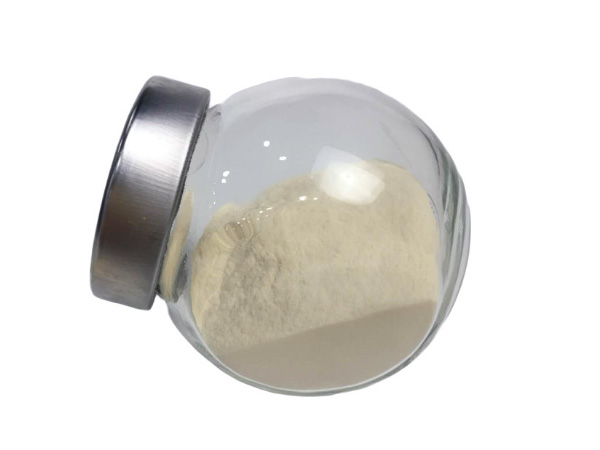
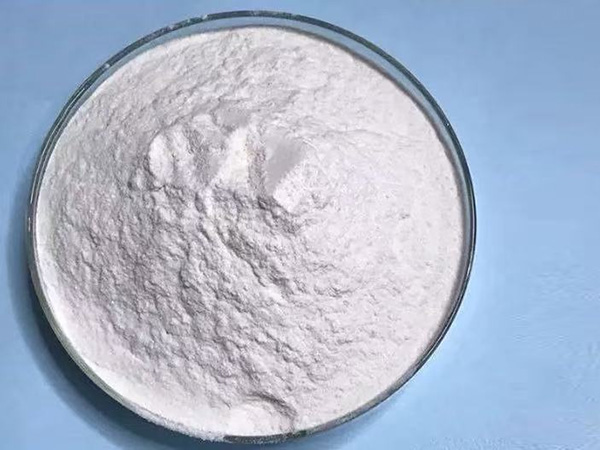
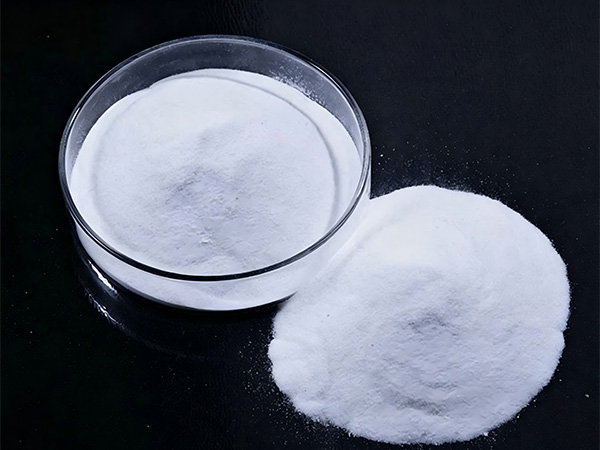
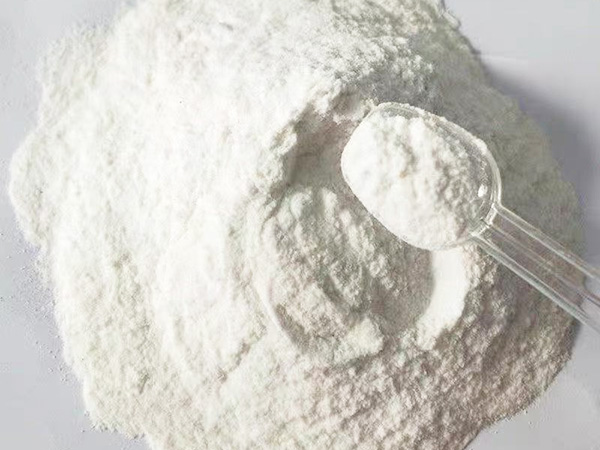
CMC is a modified cellulose compound obtained through professional chemical modification technology. With natural cellulose as the base raw material, it undergoes etherification reaction with chloroacetic acid in an alkaline environment to form a stable anionic cellulose derivative. The finished product presents white or faint yellow powdery texture, featuring excellent water solubility. It can be quickly dissolved in water to form uniform, transparent and high-viscosity aqueous solution without precipitation or delamination. Benefiting from its stable molecular structure, non-toxic properties and diversified functional characteristics, CMC has gradually evolved into one of the most widely applied and cost-effective cellulose derivatives in the global industrial additive market.
Core Functional Properties of CMC
The widespread industrial popularity of carboxymethyl cellulose stems from its superior comprehensive functional performance, which endows various products with stable and optimized physical and chemical properties:Powerful Thickening Performance: CMC can significantly enhance the viscosity of aqueous solutions with a small dosage, effectively adjusting the fluid consistency of raw materials to meet different production and processing requirements.Excellent Stabilization Effect: It can inhibit particle sedimentation, liquid stratification and ingredient separation in mixed systems, maintaining the uniform state and long-term stability of finished products.Superior Film-Forming Ability: After dissolution and drying, CMC can form smooth, dense and uniform protective films, which are widely used for surface coating and material protection of industrial products.Efficient Water Retention Capacity: The unique molecular structure enables CMC to lock moisture effectively, prevent rapid water loss of materials, and improve the moisture retention performance and service life of products.Safe and Non-Toxic Characteristics: High-purity CMC conforms to international food and pharmaceutical safety standards, with no harmful residues, supporting safe application in edible products and medical supplies. These comprehensive advantages make CMC a multi-functional, low-cost and high-value additive for modern industrial production.
Diversified Industrial Applications of CMC
1. Food Processing Industry
As a safe and legal food additive, CMC is extensively added to ice cream, baked goods, condiment sauces, beverages and other food products. It can optimize food taste and texture, restrain ice crystal generation in frozen food, avoid ingredient stratification, and significantly extend the shelf life and storage stability of food products.
2. Pharmaceutical Industry
In pharmaceutical production, CMC serves as a high-quality binder, disintegrant and stabilizer. It is widely used in tablet preparations and suspension medicines, which can unify the ingredient distribution of drugs, stabilize pharmaceutical properties, and ensure consistent efficacy and quality of finished medical products.
3. Petroleum Drilling Industry
CMC is a key functional additive for oilfield drilling fluids. It can precisely adjust the viscosity and rheological properties of drilling mud, reduce mud filtration loss, prevent well wall collapse, and maintain stable drilling operation under high-pressure and complex stratum conditions, greatly improving overall drilling efficiency and safety.
4. Textile and Papermaking Industry
In textile processing, CMC acts as an efficient sizing agent to enhance fiber surface smoothness and structural fastness. For papermaking production, it is used for surface coating treatment, effectively improving paper surface strength, flatness and printing adaptability, and upgrading finished paper quality.
5. Ceramic Manufacturing Industry
During ceramic processing and molding, CMC functions as an efficient binder and auxiliary agent. It optimizes the fluidity and moldability of ceramic slurry, reduces product deformation, cracking and other defects in the molding and high-temperature firing process, and improves the yield and finished product quality of ceramic products.
Significance of High-Quality CMC for Industrial Production
The actual application effect of carboxymethyl cellulose is largely determined by core indicators such as product purity, viscosity grade and degree of substitution. Low-quality CMC products often have defects including poor solubility, unstable viscosity, uneven molecular distribution and poor anti-interference ability. These problems will lead to fluctuating product quality, unstable production processes and increased defective rate in industrial processing. Therefore, selecting a professional and reliable CMC manufacturer is the core premise to ensure stable production, standardized product quality and long-term operational benefits for enterprises.
Our Factory’s High-Quality CMC Supply Advantages
We are a professional manufacturer and exporter focusing on the R&D, production and sales of high-purity carboxymethyl cellulose. With mature production technology and complete production lines, we provide stable and reliable CMC products for global industrial customers covering food, chemical, petroleum, ceramic and other fields. Our product and service strengths cover: Diversified product specifications, including food-grade and industrial-grade CMC to meet differentiated industry demands; Strict production control to ensure high product purity, stable viscosity and excellent solubility; Support for personalized customized specifications, tailored to customers’ production formulas and processing conditions; Full-process quality inspection from raw material screening to finished product delivery to eliminate unqualified products; Direct factory pricing with no middlemen, supporting bulk orders and stable global supply.
Why Choose Our CMC Products?
We rely on self-owned factories and independent R&D teams to achieve comprehensive advantages in product quality and service: Direct factory supply delivers significant cost performance and price advantages; Strong R&D and production capacity supports mass stable delivery and product iterative optimization; Strict batch production standards ensure consistent quality of each batch of products; Rich global export experience to meet international trade and industry standard requirements; Professional technical team provides one-stop pre-sales consultation and after-sales technical support.
Conclusion
As a multi-functional, safe and efficient polymer additive, carboxymethyl cellulose plays an irreplaceable role in modern food production, pharmaceutical manufacturing, petroleum engineering, textile papermaking and ceramic processing. Its diversified functional properties can effectively optimize product performance, standardize production processes and create higher economic benefits for industrial production. If you are looking for a stable, high-quality and cost-effective CMC supplier, our factory can provide targeted customized solutions and high-standard products according to your project demands. Contact us now to obtain professional technical solutions and exclusive preferential quotations for carboxymethyl cellulose!
References
GB/T 7714: Functional Properties and Industrial Application Progress of Carboxymethyl Cellulose. Polymers
MLA:Rheological Behavior and Stabilization Mechanism of Carboxymethyl Cellulose in Water-Based Systems. Colloids and Surfaces A: Physicochemical and Engineering Aspects
APA:Safety Performance and Application Prospects of Modified Cellulose Additives in Pharmaceuticals and Textiles. Materials