





What is Anionic Polyacrylamide used for in paper making?
2026-04-14 10:22:37
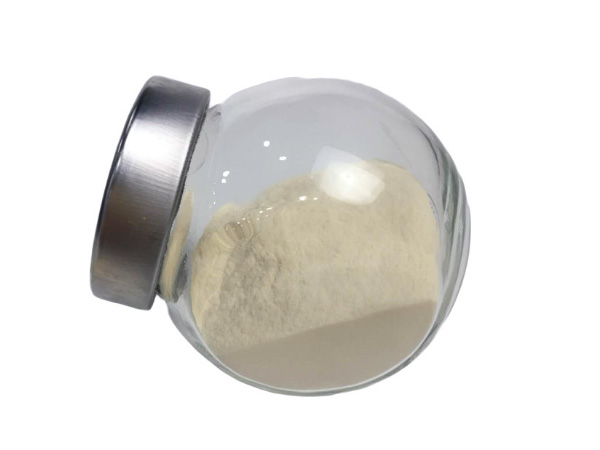
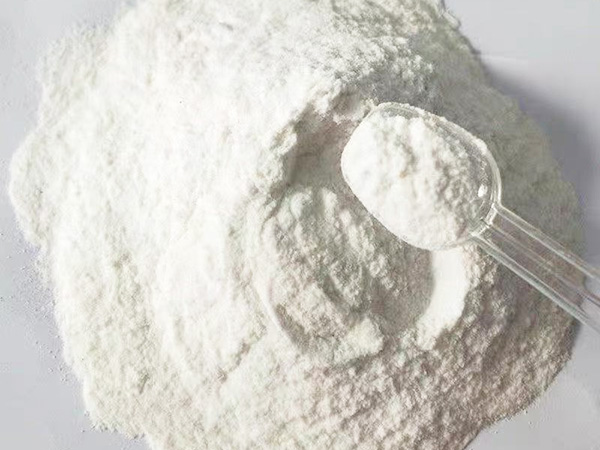
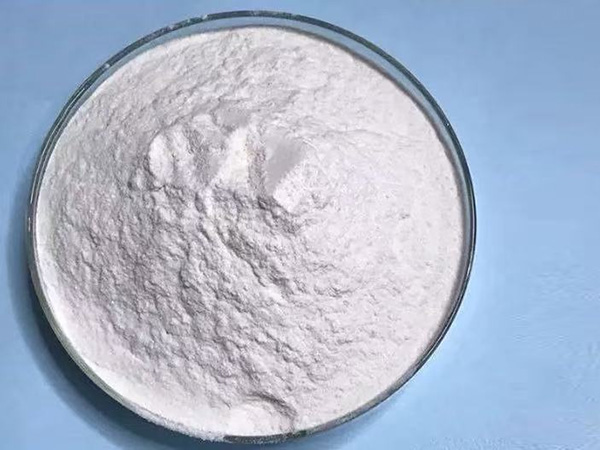
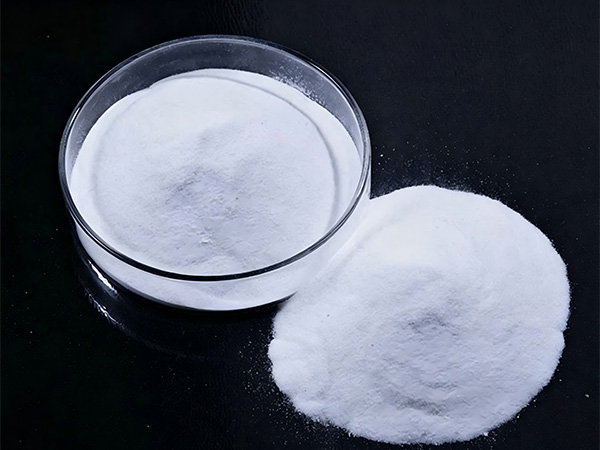
Anionic Polyacrylamide(APAM)is widely used as a key chemical additive in papermaking,mainly to improve retention,drainage,dry strength,and surface performance of paper products.
Main Applications
Retention and Drainage Aid
APAM flocculates fine fibers,fillers(such as talcum powder,calcium carbonate,titanium dioxide),and pulp particles,significantly improving their retention rate in the paper sheet.It also accelerates water filtration on the wire section,increasing production speed and reducing energy consumption.
Dry Strength Agent for Paper
By forming hydrogen bonds and bridging between fibers,APAM enhances the tensile strength,bursting strength,and folding resistance of finished paper without affecting its softness or whiteness.
Surface Sizing Auxiliary
Used in surface sizing systems to improve the uniformity of sizing,enhance surface smoothness,and increase ink absorption and printing adaptability of paper.
Pulp and Whitewater Treatment
Acts as a flocculant to treat papermaking whitewater and wastewater,clarifying circulating water,reducing fiber loss,and realizing water recycling,which lowers production costs and environmental pressure.
Dispersant for Pulp Fibers
In tissue paper and lightweight paper production,moderate low-molecular-weight APAM helps disperse fibers evenly,avoiding flocculation and improving paper formation and softness.
References
GB/T 7714
Chen L,Wang Y,Zhang Q.Application of anionic polyacrylamide in papermaking process and its effect on paper properties.China Pulp&Paper,2022,41(4):56–61.
MLA
Chen,Li,et al."Application of Anionic Polyacrylamide in Papermaking Process and Its Effect on Paper Properties."China Pulp&Paper,vol.41,no.4,2022,pp.56–61.
APA
Chen,L.,Wang,Y.,&Zhang,Q.(2022).Application of anionic polyacrylamide in papermaking process and its effect on paper properties.China Pulp&Paper,41(4),56–61.