





Xanthan Gum in Drilling Fluids: Rheology, Suspension, and Specification
2026-11-06 09:33:39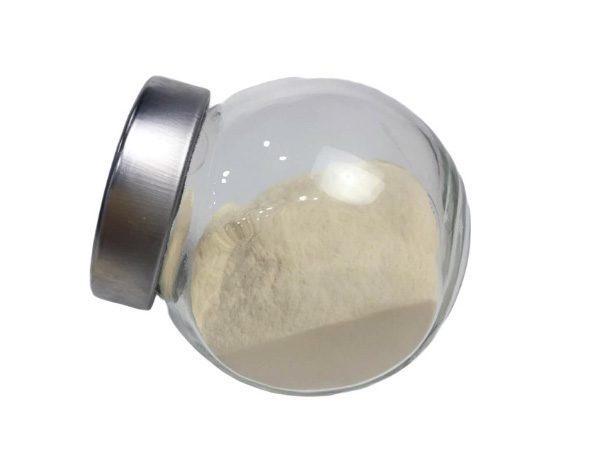
Xanthan gum is a microbial polysaccharide used across the food, pharmaceutical, and oilfield industries as a high-performance thickener, stabilizer, and suspension agent. In water-based drilling fluids, xanthan gum earns its place by delivering strong low-shear viscosity and a pronounced shear-thinning profile: the mud stays thin enough to pump yet thick enough at rest to keep drill cuttings suspended. This article explains what xanthan gum is, how its rheology behaves downhole, where it fits among other viscosifiers such as CMC and PAC, and what a buyer should specify when requesting a quotation.
What Is Xanthan Gum?
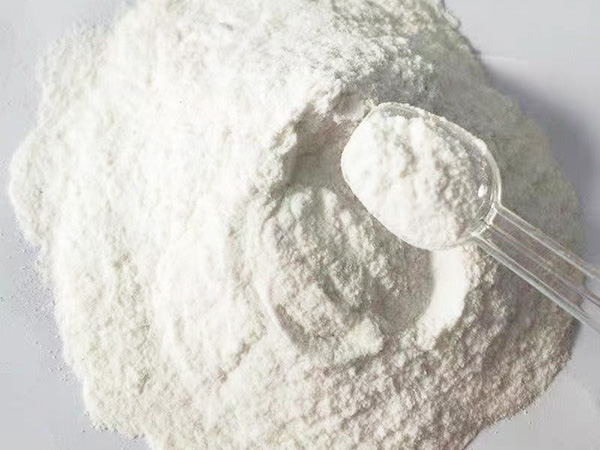
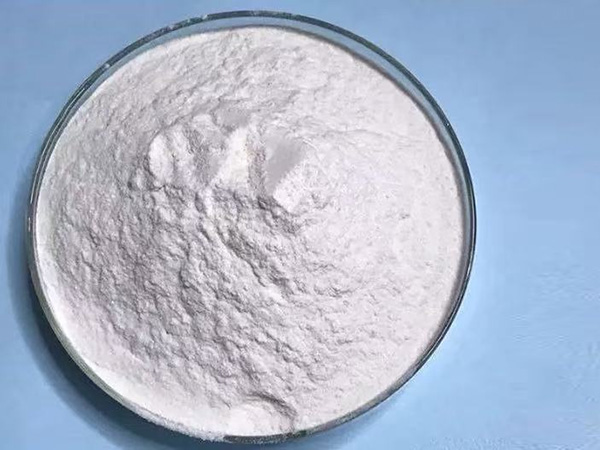
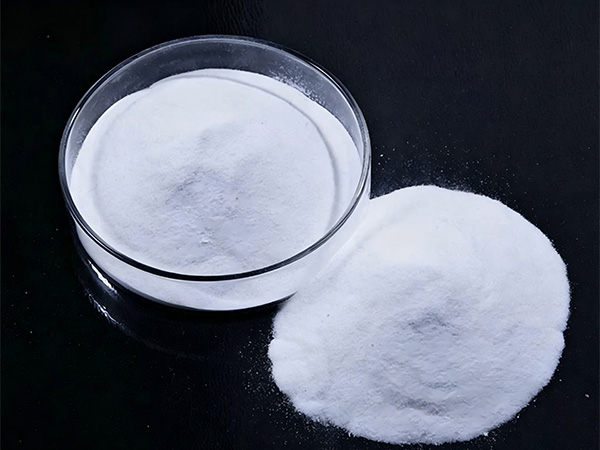
Xanthan gum, sometimes called xanthan, is an extracellular acidic heteropolysaccharide produced by the fermentation of Xanthomonas bacteria. After fermentation, the broth is recovered, purified, dried, and milled into a free-flowing powder. Chemically it is built on a cellulose-like glucose backbone with trisaccharide side chains, and it is this branched structure that lets it form a rigid, entangled network in water at very low concentration.
According to the product documentation published by Beijing Zijin New Materials Technology Co., Ltd, xanthan gum functions in industry as a stabilizer, thickener, and processing aid, with applications spanning canned and bottled foods, baked goods, dairy, frozen foods, dressings, beverages, brewing, and confectionery. The same polymer chemistry that makes it useful in food also makes it valuable in technical fluids where stable viscosity and particle suspension are required.
For procurement, the relevant internal page is the Xanthan Gum product page, and the full polymer portfolio is listed on the products overview.
Xanthan Gum Rheology: The Shear-Thinning Profile
The defining rheological trait of xanthan gum is pseudoplasticity, or shear thinning. Under high shear — such as through a bit nozzle or a centrifugal pump — the polymer network aligns and breaks down, so viscosity drops and pumping pressure stays manageable. When shear relaxes, the network rebuilds and viscosity recovers, which is exactly what a static annulus needs to hold cuttings.
Temperature stability is another practical advantage. Site documentation notes that the viscosity of xanthan gum solutions does not change significantly with temperature: aqueous xanthan gum solutions show almost no viscosity change between 10°C and 80°C, and a 1% xanthan gum solution containing 1% potassium chloride showed only a 3% decrease in viscosity when heated from 25°C to 120°C. That breadth matters in geothermal, deep, and high-temperature-hole sections where many biopolymers thin out.
Beyond viscosity, xanthan builds gel strength at rest. A fluid with adequate xanthan-derived low-shear viscosity resists sag and keeps weighting material and cuttings in suspension when circulation stops — a property measured as low-shear-rate viscosity or gel strength in the laboratory.
Why Drilling Fluids Need a Viscosifier
A drilling fluid has three jobs that depend on viscosity: transport cuttings up the annulus, suspend solids when circulation stops, and help seal the formation. Water alone cannot do any of these. A viscosifier raises the low-shear viscosity and yield point so that cuttings do not settle in the rat hole, in an inclined section, or in a long horizontal reach, while keeping the high-shear viscosity low enough for efficient hydraulics.
Xanthan gum is valued here because a small concentration produces a large yield-point gain. That means the fluid can carry and suspend cuttings without becoming so thick at the bit that annular friction and equivalent circulating density climb. The result is better hole cleaning at a lower solids loading than many alternative viscosifiers, which also helps reduce dilution and disposal volume.
Viscosity also supports annular velocity and lowers the risk of pack-off in narrow mud-weight windows. Because xanthan gum builds yield point without a large plastic-viscosity penalty, the engineer can raise suspension power while keeping the high-shear viscosity that drives cutting transport near the optimum. The net effect is a more forgiving fluid that tolerates changes in rate of penetration and mud weight without a full re-design of the rheology program.
Xanthan Gum vs CMC and PAC in Water-Based Muds
Xanthan gum is frequently run alongside cellulose derivatives rather than instead of them. The roles are different:
- Xanthan gum — primary viscosifier and suspension agent; supplies high low-shear viscosity and strong shear thinning; tolerant of salinity.
- CMC (carboxymethyl cellulose) — used mainly for filtration control and as a secondary viscosifier; more common in lower-dose, fluid-loss roles. See the CMC product page.
- PAC (polyanionic cellulose) — a high-performance fluid-loss-control additive in both fresh and saline muds; complements xanthan rather than replacing it. See the PAC product page.
In practice, a balanced water-based mud often pairs xanthan for suspension with PAC or CMC for filtration. The two are complementary: one builds viscosity, the other controls filtrate. Choosing between CMC and PAC usually comes down to salinity, temperature, and the filtrate target, not to whether xanthan is present.
Where Xanthan Fits: Freshwater, Seawater, and Saturated Brine
Xanthan gum keeps its viscosity in electrolyte-rich environments better than many natural gums, which is why it is common in offshore and completion-related fluids. Selection still depends on the well profile.
Case A — high-angle, extended-reach, or weighted wells. When the annulus is long or inclined, cuttings settle quickly and suspension demand is high. Xanthan gum's high yield point and reversible shear thinning make it a strong fit, and its salt tolerance suits seawater or brine-based systems.
Case B — clear-brine or low-solids completion fluids. Here the objective is minimal solids and tightly controlled filtrate rather than high viscosity. Xanthan may be used at a low dose for suspension, but fluid-loss control shifts toward PAC or CMC, and the overall polymer loading stays small.
How to Specify Xanthan Gum in an Inquiry
A clear inquiry helps a supplier match the right grade and avoid wasted sampling. When requesting xanthan gum, include:
- Base fluid — fresh water, seawater, or brine, and the expected salinity range.
- Target rheology — desired funnel viscosity, plastic viscosity / yield point, or a low-shear viscosity value measured on your mud.
- Bottom-hole temperature and section — shallow, HTHP, or geothermal, so grade and dose can be screened.
- Grade and certification needs — food grade versus industrial grade, and any documentation required for your audit trail.
- Packaging and volume — bag size, palletisation, and estimated monthly or per-well volume.
- Co-additives — what else is in the system (PAC, CMC, bentonite, biocide) so compatibility is reviewed up front.
Beijing Zijin lists xanthan gum among its polymer line; pairing the inquiry with the full product list helps the technical team suggest a matching grade.
Common Mistakes in Field Use
- Adding powder into high shear. Dumping xanthan into a high-speed vortex before it hydrates creates "fish eyes" — undissolved clumps. Add to moderate agitation and allow full hydration time.
- Short hydration. Viscosity develops over minutes to hours depending on mixing; checking too early understates performance.
- Overdosing. Too much xanthan raises yield point excessively, increases ECD, and can hurt hydraulics. Tune to the rheology target, not to a round number.
- Ignoring biological stability. In fresh-water systems xanthan can be susceptible to microbial attack; a suitable preservation or biocide program protects stored and mixed fluid. In high-salinity brines biological activity is naturally lower.
- Poor make-down water quality planning. Hardness and residual oxidizers affect many polymer systems; review water source and pre-treatment before finalizing the recipe.
FAQ: Is xanthan gum compatible with seawater and saturated brine?
Yes. Xanthan gum tolerates high electrolyte concentrations far better than many natural gums, so it is routinely used in seawater-based and brine-based drilling and completion fluids. Its viscosity holds up where starches and some plant gums break down.
FAQ: How does xanthan gum compare with guar gum in drilling fluids?
Both are natural polysaccharides, but xanthan is generally more salt-tolerant and more thermally stable, and it gives a stronger shear-thinning response at low dose. Guar is more associated with fracturing fluids and lower-temperature, fresh-water use. The right choice depends on salinity, temperature, and whether suspension or cross-linked viscosity is the priority.
FAQ: What rheology does xanthan gum contribute to a mud?
Xanthan gum primarily raises low-shear viscosity and yield point while adding little plastic viscosity. That combination improves cuttings suspension and hole cleaning without a large penalty in high-shear pumping friction — the practical definition of a good viscosifier.
FAQ: Does xanthan gum control fluid loss on its own?
Not as its main function. Xanthan gum is a viscosifier and suspension agent; filtration control is usually handled by PAC or CMC. A complete water-based mud typically combines the two, and the internal PAC page and CMC page describe those roles.
Conclusion
Xanthan gum is a versatile, salt-tolerant viscosifier whose shear-thinning rheology and broad temperature stability make it a practical choice for water-based drilling and completion fluids that must suspend cuttings and stay pumpable. It complements — rather than replaces — cellulose additives such as PAC and CMC, and the right grade and dose depend on base fluid, temperature, and rheology targets. Buyers should specify those parameters clearly so a supplier can match the product to the well.
References
- Society of Petroleum Engineers — drilling and completions technical resources: https://www.spe.org/
- American Petroleum Institute — energy and drilling standards body: https://www.api.org/
- PubChem — chemical information resource (xanthan gum identity and properties): https://pubchem.ncbi.nlm.nih.gov/
- International Organization for Standardization — quality and management standards: https://www.iso.org/
- Food and Agriculture Organization of the United Nations — food standards authority: https://www.fao.org/home/en/