







Water Soluble Polymers in Oil and Gas Industry
An overview of water-soluble polymers used in the oil and gas industry, including polyacrylamide, cellulose derivatives, and their applications in drilling, enhanced oil recovery, and well completion. Learn how manufacturers supply these cri...
2026-07-20 09:16:19
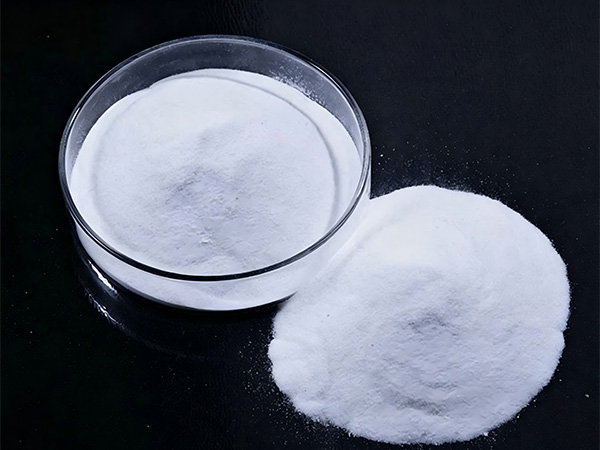
PAC vs CMC: Key Differences in Oil Drilling Applications
Understand the key differences between polyanionic cellulose (PAC) and carboxymethyl cellulose (CMC) in oil drilling applications. This comparison guide covers chemical structure, performance characteristics, salt resistance, and how to choo...
2026-07-18 11:43:57
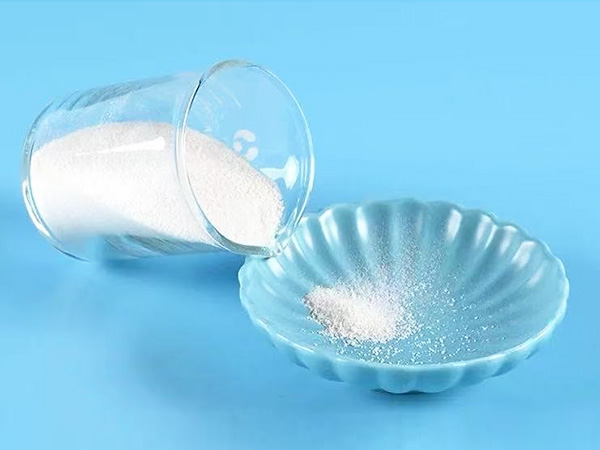
Non-Ionic Polyacrylamide (NPAM) Industrial Applications
Explore the industrial applications of non-ionic polyacrylamide (NPAM), including water treatment, oil recovery, papermaking, and mining. Learn how NPAM's unique uncharged polymer structure provides advantages in specific industrial proc...
2026-07-17 09:00:03
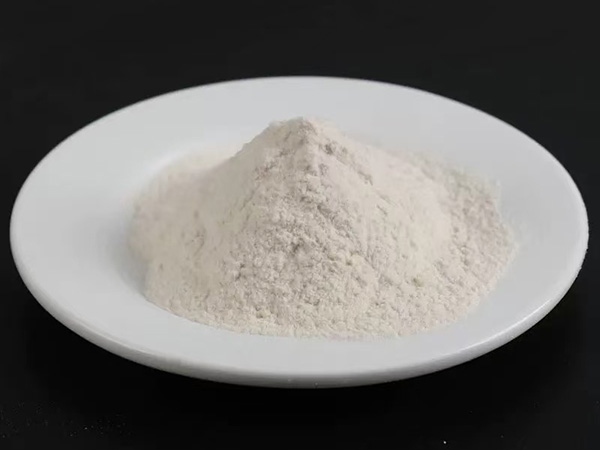
How to Choose the Right Polyacrylamide for Water Treatment
A practical guide to selecting the right polyacrylamide for water treatment applications. Learn how to choose between anionic, cationic, and non-ionic polyacrylamide based on water chemistry, suspended solids, and treatment objectives. Sourc...
2026-07-16 07:30:26
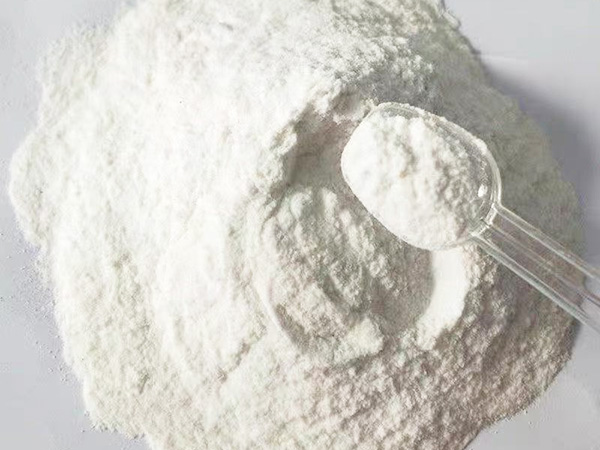
Cationic Polyacrylamide (CPAM) in Sludge Dewatering
A comprehensive guide to using cationic polyacrylamide (CPAM) in sludge dewatering and municipal wastewater treatment. Understand CPAM properties, application methods, dosage optimization, and sourcing from reliable manufacturers and supplie...
2026-07-15 06:11:51
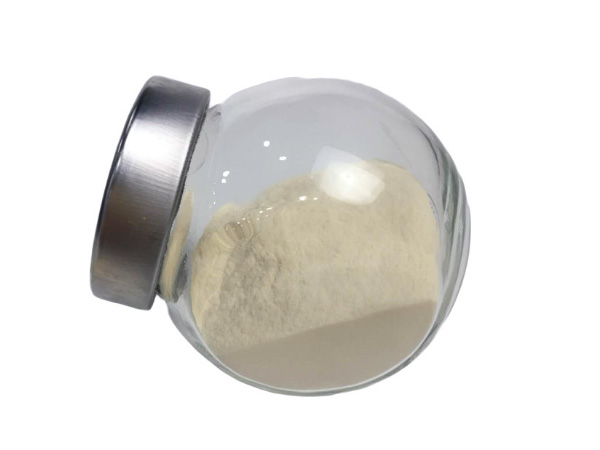
Anionic Polyacrylamide (APAM) in Wastewater Treatment
A practical guide to using anionic polyacrylamide (APAM) in industrial wastewater treatment. Learn how APAM functions as a flocculant, its key properties, dosage guidelines, and how to source APAM from reliable manufacturers and suppliers....
2026-07-15 04:18:36