






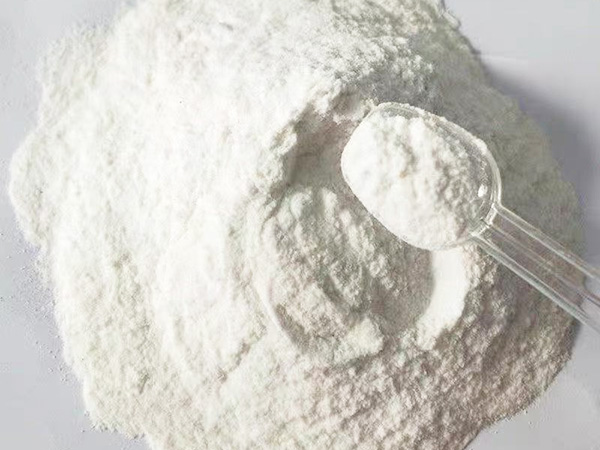
Carboxymethyl Cellulose CMC Properties and Industrial Applications
Carboxymethyl cellulose (CMC) is a versatile polymer used in food, pharmaceuticals, drilling, papermaking, and ceramics for thickening, binding, and stabilizing applications....
2026-05-31 10:37:11

Anionic Polyacrylamide APAM for Wastewater Treatment and Sludge Dewatering
Anionic polyacrylamide (APAM) enhances wastewater treatment efficiency, enabling effective flocculation, sludge dewatering, and optimized industrial effluent management....
2026-05-27 10:11:04

High-Performance Carboxymethyl Cellulose for Industrial Manufacturing Applications
This article elaborates on the core properties and performance advantages of high-performance CMC, analyzes its application value in oil drilling, building materials, ceramics and other industries, and explains the importance of high-quality...
2026-05-24 06:19:12
Understanding Carboxymethyl Cellulose: A Key Additive for Multiple Industries
This paper explores the synthesis, core functional properties and multi-industry applications of carboxymethyl cellulose (CMC). It analyzes the value of high-purity CMC additives and emphasizes the significance of reliable manufacturers for ...
2026-05-21 03:50:01
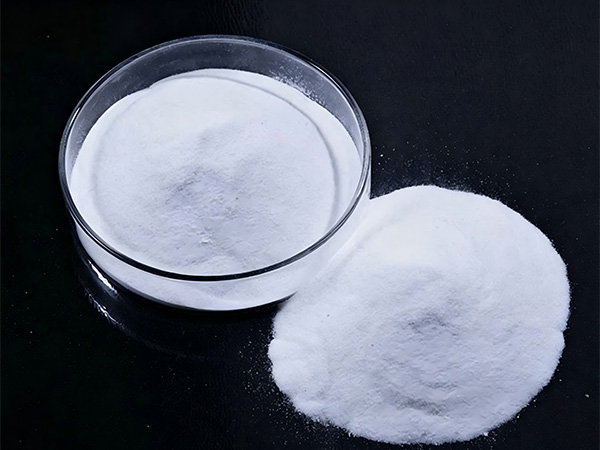
High-Performance Anionic Polyacrylamide Powder for Water Treatment Applications
This article explores the working principle, key performance advantages and multi-industry applications of anionic polyacrylamide. It verifies that high-purity APAM can improve water treatment efficiency, reduce dosage costs and support envi...
2026-05-18 03:01:51
Food Grade Xanthan Gum vs Other Thickeners: A Complete Comparison Guide
This paper compares food-grade xanthan gum with common alternative thickeners (guar gum, starch, etc.), analyzes their characteristics and applications, and highlights xanthan gum’s versatility and stability in modern food manufacturing....
2026-05-15 02:25:35