





Carboxymethyl Cellulose CMC Properties and Industrial Applications
2026-05-31 10:37:11
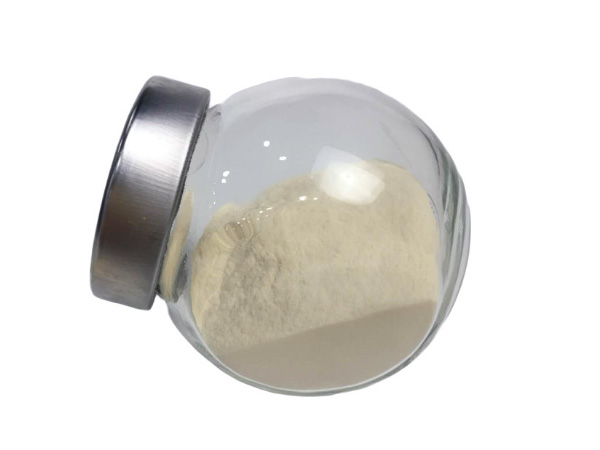
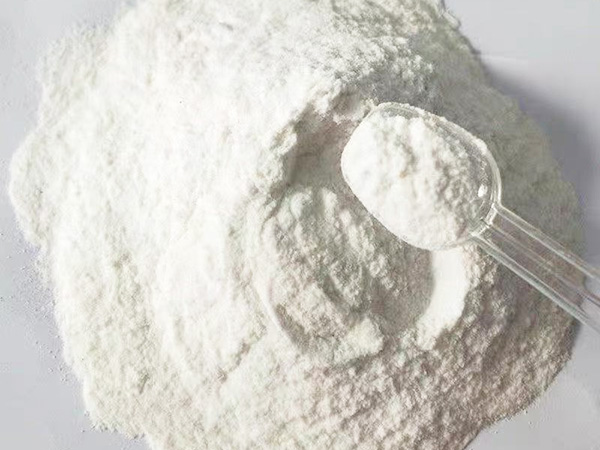
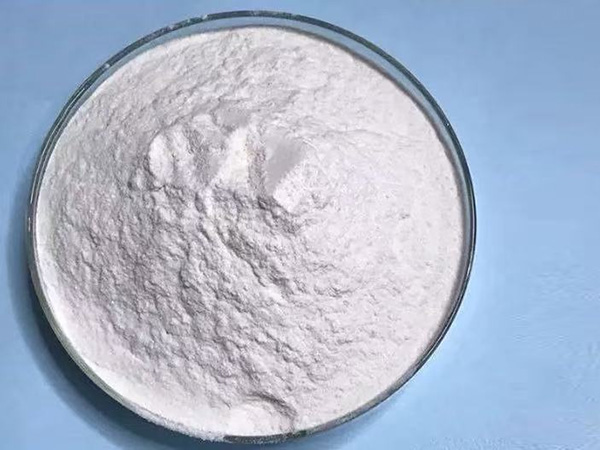
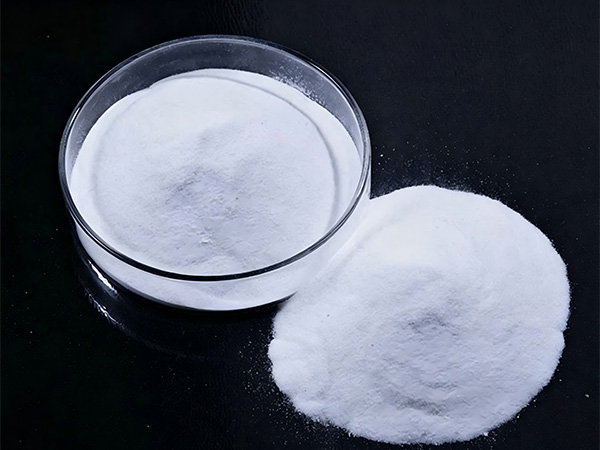
Carboxymethyl cellulose (CMC), also designated as sodium carboxymethyl cellulose or cellulose gum, represents the most widely produced water-soluble cellulose ether globally, serving essential functions as thickener, binder, film former, and stabilizer across food processing, oil drilling, papermaking, textile, ceramics, and personal care industries. This anionic polyelectrolyte, manufactured by specialized chemical suppliers through reaction of alkali cellulose with sodium monochloroacetate, delivers versatile functional properties determined by degree of substitution, molecular weight, and purity grade specifications. Understanding CMC material science, production technology, and application parameters enables industrial formulators to optimize product performance and manufacturing efficiency across diverse processing requirements.
Chemical Structure and Functional Properties
CMC molecular structure comprises cellulose backbone with carboxymethyl substituent groups (-CH2-COONa) attached to hydroxyl positions through ether linkages, creating water-soluble anionic polymer with performance characteristics governed by degree of substitution (DS) and molecular weight distribution. Degree of substitution (typically 0.6-1.2 for industrial grades) quantifies average number of carboxymethyl groups per anhydroglucose unit, with higher DS values providing enhanced water solubility, solution clarity, and resistance to divalent cation precipitation. Commercial CMC grades are classified by purity (technical, purified, and food grades) and viscosity range (low, medium, high, and ultra-high viscosity) that facilitate product selection for specific application requirements.
CMC aqueous solutions exhibit pseudoplastic rheological behavior similar to xanthan gum, with viscosity decreasing under shear and recovering when shear ceases, providing favorable processing characteristics for industrial applications. Solution viscosity depends on polymer concentration, molecular weight, temperature, pH, and ionic strength, with professional CMC manufacturers providing comprehensive viscosity tables and solution behavior data for formulation development. The polymer demonstrates excellent film-forming properties, adhesion to diverse substrates, and compatibility with other water-soluble polymers and surfactant systems.
Food Processing and Pharmaceutical Applications
In food industry applications, CMC functions as thickener, stabilizer, moisture retainer, and texture modifier in products including ice cream, baked goods, sauces, beverages, and processed foods at concentrations typically 0.1-1.0%. The polymer stabilizes ice cream emulsion against heat shock, improves bread volume and crumb softness through dough strengthening, and prevents ice crystal growth in frozen desserts during temperature fluctuation. Food-grade CMC must comply with GB 2760 food additive regulations and JECFA purity specifications including heavy metal limits and microbial contamination criteria.
Pharmaceutical applications employ CMC as binder in tablet formulations, viscosity enhancer in liquid dosage forms, sustained-release matrix former, and bioadhesive agent in topical preparations. The polymer mucoadhesive properties enable extended residence time at mucosal surfaces for improved drug absorption in buccal and gastrointestinal delivery systems. Professional CMC suppliers provide pharmaceutical-grade products manufactured under GMP-compliant production systems with appropriate pharmacopeia certification documentation.
Oil Drilling and Well Completion Applications
CMC serves essential functions in water-based drilling fluid systems as fluid loss reducer, viscosifier, and rheology modifier that improves borehole stability and cuttings transport efficiency. The polymer reduces API fluid loss through effective filter cake formation on wellbore walls, minimizing filtrate invasion into permeable formations that causes formation damage and wellbore instability. Technical-grade CMC (viscosity grades HV-CMC and LV-CMC) provides cost-effective performance for standard drilling applications where high purity is not essential.
Polyanionic cellulose (PAC), a purified derivative of CMC with higher degree of substitution and enhanced salt tolerance, extends application range to saturated salt drilling fluids and high-temperature wellbore environments. PAC products provide superior fluid loss control compared to standard CMC grades, with reduced viscosity impact at equivalent treatment concentrations that allows independent control of fluid loss and rheological properties. Leading drilling fluid additive manufacturers provide both CMC and PAC product lines with application-specific grades optimized for diverse drilling conditions.
Papermaking and Ceramic Industry Uses
In papermaking operations, CMC functions as dry strength additive, retention aid, coating binder, and surface sizing agent that improves paper tensile strength, surface smoothness, and print quality. The polymer adsorption onto cellulose fibers creates hydrogen bonding between fibers that enhances sheet strength without reducing machine runnability or drainage rate. Coating formulations employ CMC as water retention agent that controls binder migration and ensures uniform pigment distribution in coated paper products.
Ceramic manufacturing applications utilize CMC as binder, plasticizer, and water retention agent in ceramic body formulations that improve green strength, reduce cracking during drying, and enhance glaze adhesion during firing operations. The polymer addition at 0.1-0.5% in ceramic body formulations provides adequate binding strength for成型 handling while burning out cleanly during kiln firing without leaving carbonaceous residue that affects fired product quality. Professional CMC manufacturers provide ceramic-grade products with optimized particle size distribution and purity for ceramic industry requirements.
References
GB 2760 - National Food Safety Standard for Food Additive Use
FAO JECFA Monographs - Carboxymethyl Cellulose Specifications
API RP 13A - Specification for Drilling Fluid Materials
ISO 9001 - Quality Management Systems - Requirements
TAPPI T 494 - Tensile Properties of Paper and Paperboard