





Anionic Polyacrylamide APAM for Wastewater Treatment and Sludge Dewatering
2026-05-27 10:11:04
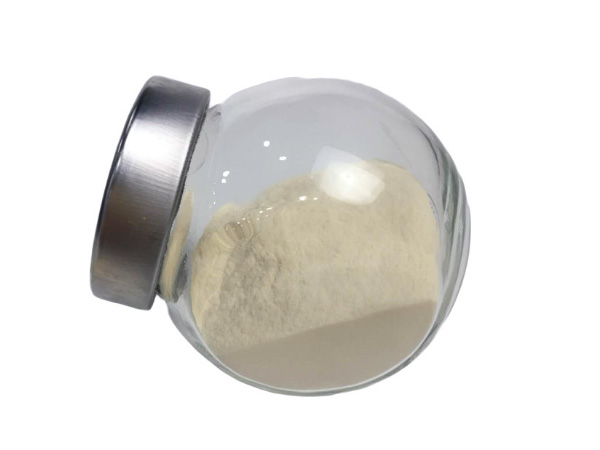
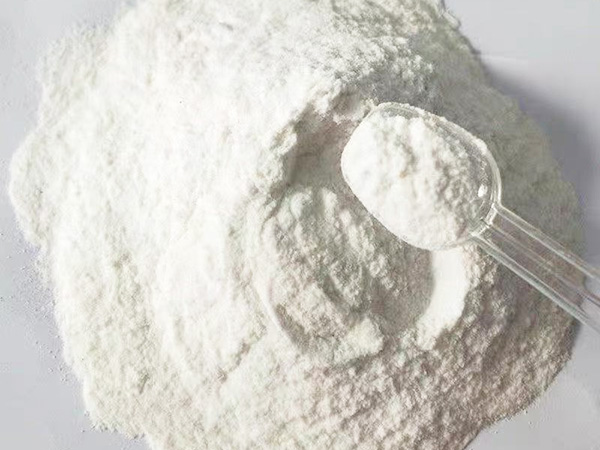
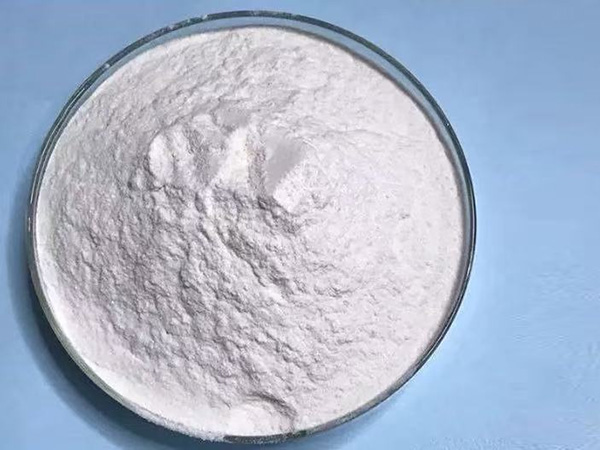
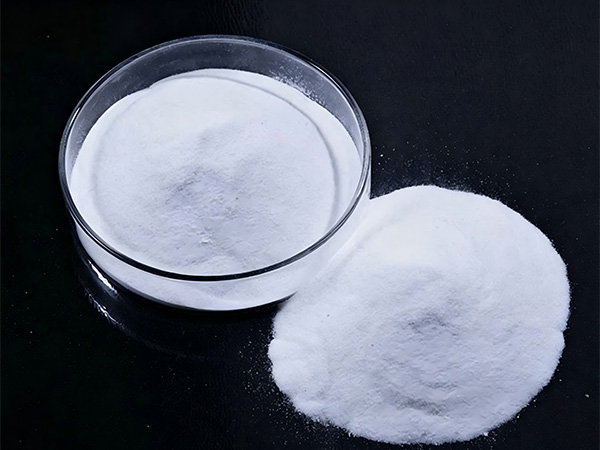
Anionic polyacrylamide (APAM) functions as the primary high-molecular-weight organic flocculant in municipal and industrial wastewater treatment operations, providing efficient solids settling, turbidity reduction, and sludge dewatering through charge neutralization and polymer bridging mechanisms. This water-soluble synthetic polymer, manufactured by specialized chemical suppliers for environmental applications, carries negatively charged carboxylate groups along polymer chains that interact with positively charged particles and cationic coagulant residuals to form dense, rapidly settling flocs. Understanding APAM flocculation chemistry, dosage optimization, and application design enables wastewater treatment engineers to achieve consistent effluent quality compliance while minimizing polymer consumption costs and sludge handling volumes.
Flocculation Mechanism and Polymer Chemistry
APAM flocculation performance depends on polymer molecular weight (typically 5-25 million Daltons for wastewater applications), charge density (typically 20-40% hydrolysis degree), and chain conformation in solution that determine interaction with suspended particles and coagulant flocs. The polymer bridging mechanism involves adsorption of extended polymer chains onto multiple particle surfaces simultaneously, creating aggregate structures (flocs) with sufficient size and density for rapid gravity settling. Higher molecular weight polymers provide longer chains that bridge larger inter-particle distances, enhancing flocculation efficiency but requiring careful dissolution to prevent fish-eye formation and incomplete activation.
Charge density variation influences polymer adsorption selectivity and floc structure characteristics, with lower charge density polymers producing stronger, more shear-resistant flocs through enhanced polymer chain extension and multi-point attachment. The hydrolysis degree (degree of carboxylate group formation from acrylamide hydrolysis) determines polymer ionic charge content and performance in specific water chemistry conditions. Professional APAM manufacturers provide charge density characterization, molecular weight estimation, and application performance data for product selection optimization.
Dosing Optimization and Process Control
APAM dosage optimization requires systematic jar testing that evaluates polymer type, dosage, mixing intensity, and settling time to identify treatment conditions that achieve target effluent quality with minimum polymer consumption. Typical APAM dosages range from 0.1-5.0 mg/L for primary and secondary clarification applications, with higher dosages (1-15 mg/L active polymer) required for industrial wastewater containing colloidal suspensions, emulsified oils, and fine particulate matter that resist conventional coagulation-flocculation treatment. Overdosing produces floc restabilization where excessive polymer adsorption creates positively charged particle surfaces that redisperse due to electrostatic repulsion.
Polymer preparation methodology significantly influences flocculation performance, with proper dissolution requiring controlled mixing (200-400 rpm for 30-60 minutes) in clean water to achieve complete polymer activation without mechanical degradation. Aging period (30-60 minutes after dissolution) allows full polymer uncoiling and hydration before dosing into treatment stream. Professional APAM suppliers provide preparation guidelines, automatic dissolving system specifications, and dosing control recommendations that maximize treatment efficiency in full-scale wastewater operations.
Sludge Dewatering and Thickening Applications
APAM serves as primary dewatering polymer for municipal and industrial sludge conditioning ahead of mechanical dewatering equipment including belt presses, centrifuges, and filter presses. The polymer promotes sludge floc formation that releases bound water, creating drier cake solids with lower polymer dosage requirements compared to cationic polymers for sludges with predominantly negative surface charge. Dewatering performance evaluation through capillary suction time (CST) testing and bench-scale dewatering trials determines optimal polymer type and dosage for specific sludge characteristics.
Thickening applications employ APAM to enhance gravity settling rate in primary and secondary clarifiers, increasing underflow solids concentration and reducing sludge volume for subsequent processing. Polymer-assisted thickening typically increases underflow solids concentration by 1-3 percentage points compared to unconditioned thickening, reducing downstream processing costs for sludge transport, digestion, and dewatering. Leading APAM manufacturers provide sludge characterization services and application-specific polymer recommendations for diverse sludge types and dewatering equipment configurations.
Industrial Wastewater Treatment Applications
Industrial wastewater applications for APAM span diverse sectors including textile processing, papermaking, mining, metallurgy, food processing, and chemical manufacturing, where specific wastewater characteristics require tailored polymer treatment strategies. Textile wastewater treatment employs APAM for color removal and suspended solids settling following chemical coagulation with aluminum or iron salts. Papermaking wastewater applications utilize APAM for fiber recovery and white water clarification that recovers process water and fiber for reuse within mill operations.
Mining and mineral processing wastewater treatment employs APAM for tailings thickening, process water clarification, and tailings dam supernatant treatment that enables water recycling and reduces freshwater consumption. The polymer provides rapid settling of fine mineral particles that remain suspended in conventional gravity clarification systems. Professional water treatment chemical suppliers provide industrial application expertise and custom polymer formulation capabilities that address specific treatment challenges encountered across diverse industrial sectors.
References
GB 17514 - Water Treatment Chemical - Polyacrylamide
API RP 13B-1 - Recommended Practice for Testing Water-Based Fluids
AWWA Standard - Coagulation and Flocculation Practices
ISO 9001 - Quality Management Systems - Requirements
EPA Wastewater Treatment Manuals - Polymer Enhanced Treatment