





Cationic Polyacrylamide (CPAM) in Sludge Dewatering
2026-07-15 06:11:51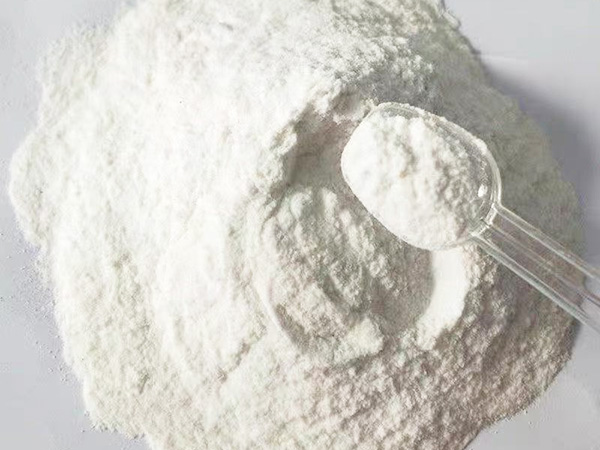
Sludge is one of the least glamorous parts of any water treatment operation, but it is also one of the most expensive to manage. The volume of sludge that needs to be transported, treated, and disposed of is directly tied to how well it has been conditioned and dewatered before reaching the final handling stage. Getting the moisture content low enough to reduce volume — and therefore cost — requires the right chemical conditioning program, and for most municipal and industrial sludge streams, cationic polyacrylamide is the polymer of choice.

Why Cationic Polyacrylamide Works for Negatively Charged Sludge
The magic behind CPAM lies in charge compatibility. Municipal wastewater sludges — particularly those generated in the biological treatment stage — carry a predominantly negative surface charge. This negative charge keeps the fine suspended particles in the sludge repelling each other, maintaining a stable colloidal suspension that resists settling and filtering. CPAM, with its positively charged quaternary ammonium groups, neutralizes this charge and initiates flocculation through both charge patch attraction and polymer bridging.
The result is the formation of large, dense flocs with good structural integrity — flocs that can withstand the mechanical shear forces in a centrifuge or belt press without breaking apart into fine particles again. This is critical in mechanical dewatering equipment, where shear forces are unavoidable and weaker flocs would simply re-disperse, producing a muddy filtrate rather than clear centrate.
Emulsion CPAM vs. Dry Powder CPAM
CPAM is available in two main physical forms, each with its own handling characteristics. Emulsion CPAM is a liquid product — technically an inverse emulsion — that disperses rapidly in water and dissolves faster than dry powder forms. It is often preferred in municipal treatment plants where rapid dissolution and easy dosing are priorities. The emulsion form also tends to be easier to handle in cold weather conditions.
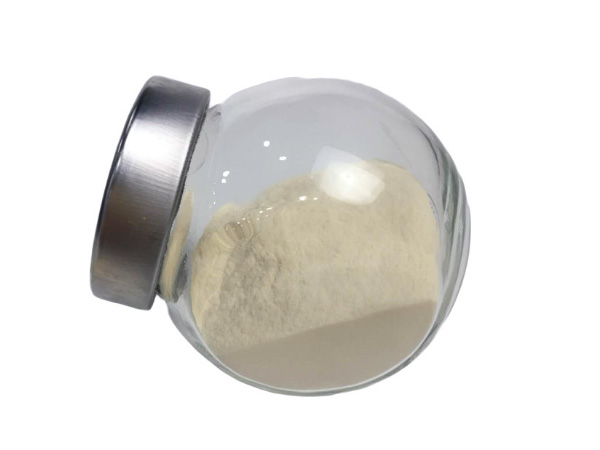
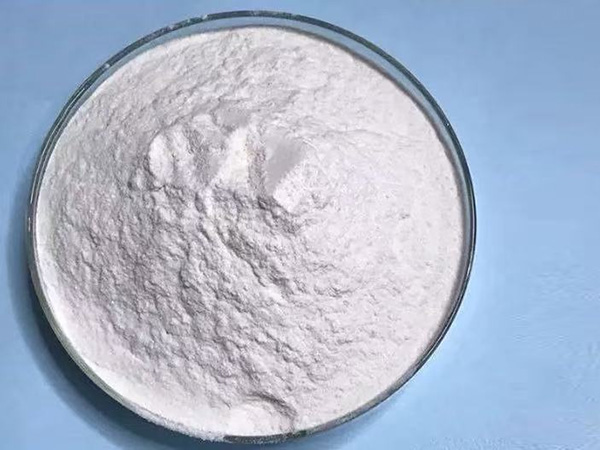
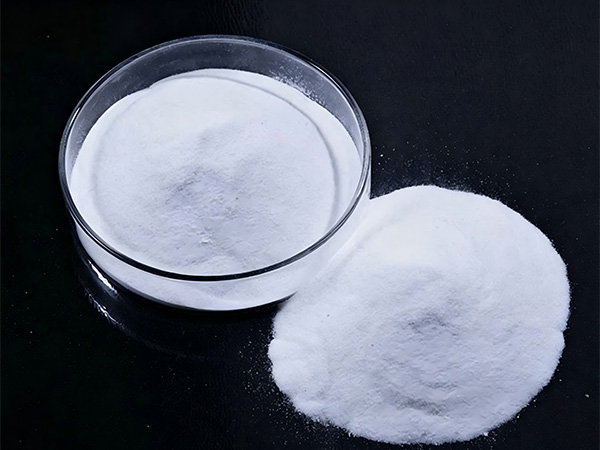
Dry powder CPAM, on the other hand, offers advantages in storage stability and transportation cost, particularly for large-volume users. The powder must be properly dissolved in a make-up system — typically a stirred tank with a controlled water supply — before it can be dosed into the sludge line. The dissolution process takes longer, but powder products generally have a longer shelf life and can be more cost-effective for high-volume users.
Sludge Dewatering Applications in Municipal Plants
In municipal wastewater treatment, the dewatering step typically follows anaerobic or aerobic digestion, where the sludge has already been stabilized but still contains 95 to 99 percent water. The goal of conditioning with CPAM is to reduce that moisture content to the point where the dewatered cake can be handled, transported, and disposed of or beneficially reused economically.
Centrifuges are among the most common mechanical dewatering devices in large municipal plants, and they are particularly sensitive to polymer conditioning. Too little polymer produces a thin, difficult-to-centrifuge sludge; too much creates a sticky, pasty material that does not dewater well in the machine. Optimizing the CPAM dose — typically in the range of 3 to 8 kilograms per tonne of dry solids — requires bench-scale testing and full-scale trial adjustment.
Industrial Sludge Applications
Beyond municipal treatment, CPAM is used extensively in industrial sludge conditioning applications. Paper and pulp mills generate large volumes of fibrous sludge that responds well to cationic polymer conditioning. Chemical and pharmaceutical manufacturing operations produce sludges with varying charge characteristics that require careful polymer selection. Metal finishing and surface treatment plants generate sludges containing charged metallic hydroxides that can be effectively aggregated with CPAM.
In each case, the principle is the same: match the polymer's cationic charge density to the charge characteristics of the suspended particles in the sludge, and optimize the dosage through testing to produce flocs that are large enough, strong enough, and water-releasing enough to meet the dewatering equipment's performance requirements.
Best Practices for Dosing and Dissolution
Even the best CPAM product will underperform if it is not properly dissolved and dosed. A few practical guidelines apply across most applications. First, always add polymer to water, never the reverse — pouring water into polymer concentrate creates impenetrable gel balls that will not dissolve properly. Second, maintain the dissolution concentration in the recommended range, typically 0.1 to 0.5 percent for most dosing systems. Third, avoid high-shear mixing pumps such as centrifugal pumps for the dissolution tank; use low-shear stirrers or progressive cavity pumps instead.
When using CPAM in combination with inorganic coagulants such as ferric chloride or aluminum sulfate, the coagulant must be dosed first. The coagulant does the initial destabilization of the colloidal particles, and CPAM is added downstream to bridge the resulting microflocs into larger aggregates. Reversing this order wastes both chemicals and produces poor results.
Sourcing from a Capable Supplier
For wastewater treatment plant operators and industrial users, selecting a CPAM supplier is not simply a matter of finding the lowest price. Product consistency, technical support capability, and the ability to provide on-site trial assistance are all important factors. An experienced manufacturer will help customers conduct jar tests to identify the optimal polymer grade and dosage before recommending a specific product.
Reputable CPAM factories also provide detailed product data sheets covering dissolution instructions, recommended storage conditions, shelf life information, and safety guidance — all of which contribute to reliable performance in daily plant operations.
Final Thoughts
Cationic polyacrylamide has earned its position as the dominant polymer for sludge conditioning and dewatering in both municipal and industrial contexts. Its positive charge makes it uniquely effective at aggregating the negatively charged particles found in most biological and mixed industrial sludges, and when properly selected and dosed, it consistently delivers the large, strong, water-releasing flocs that mechanical dewatering equipment needs to perform well. The investment in finding the right CPAM product and optimizing its application almost always pays for itself in reduced sludge disposal costs.
References
Metcalf & Eddy. (2014). Wastewater Engineering: Treatment and Resource Recovery (5th ed.). McGraw-Hill Education.
Spinosa, L. & Vesilind, P.A. (2001). Sludge into Biosolids: Processing, Disposal, Utilization. IWA Publishing.
Ray, D.T. & Hough-Guldemann, J. (2015). "Polymer Conditioning of Municipal Sludge: Optimization Strategies." Water Environment Research, 87(10), 920-931.