





How does Anionic Polyacrylamide work in water treatment?
2026-04-14 10:12:57
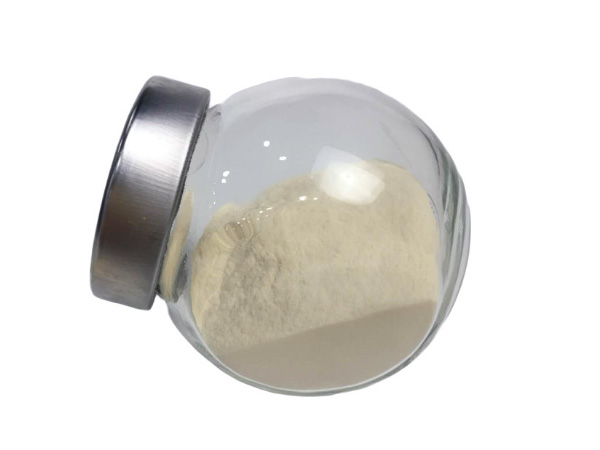
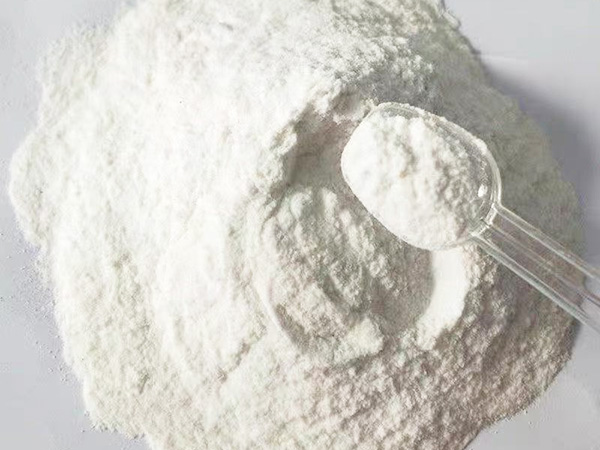
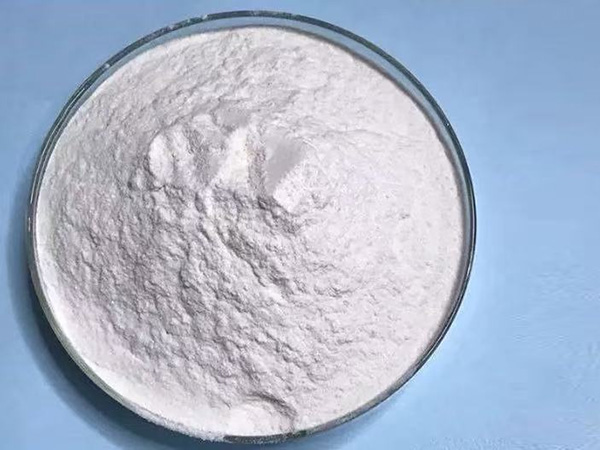
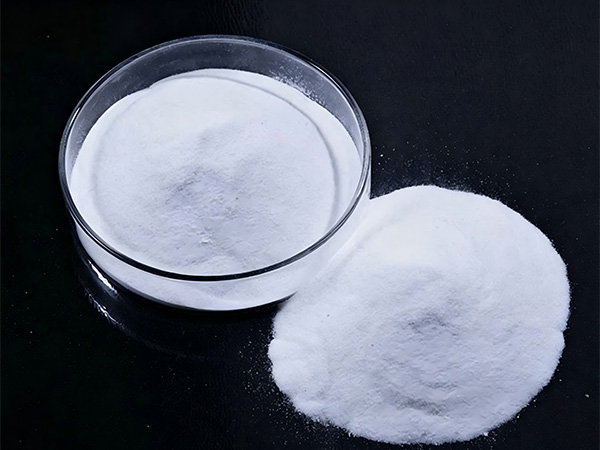
Anionic Polyacrylamide(APAM)works mainly through adsorption bridging and charge neutralization to aggregate suspended particles in water,accelerating solid-liquid separation and purifying water.
Working Mechanism
Adsorption Bridging
Long-chain APAM molecules adsorb multiple suspended solid particles at the same time,connecting them into large,dense flocs.This greatly increases particle size and settling speed.
Charge Neutralization
APAM carries negative charges.It neutralizes positive charges on colloid particles in wastewater,destabilizing colloids so they no longer repel each other and begin to aggregate.
Net Trapping&Sweeping
As flocs form and settle,they trap fine particles,colloids,and even some organic matter in the water,further improving clarification and turbidity removal.
Sludge Conditioning&Dewatering
APAM compresses the double layer of sludge particles,reduces water retention,and makes sludge easier to dewater in filter presses or centrifuges.
Together,these mechanisms make APAM a highly efficient flocculant for removing suspended solids,reducing turbidity,lowering COD,and improving sludge dewatering performance.
References
GB/T 7714
Zhang L,Wang H,Zhao Y.Flocculation mechanism of anionic polyacrylamide in wastewater treatment[J].Environmental Engineering,2021,39(4):112–117.
MLA
Zhang,Lin,et al."Flocculation Mechanism of Anionic Polyacrylamide in Wastewater Treatment."Environmental Engineering,vol.39,no.4,2021,pp.112–117.
APA
Zhang,L.,Wang,H.,&Zhao,Y.(2021).Flocculation mechanism of anionic polyacrylamide in wastewater treatment.Environmental Engineering,39(4),112–117.