





How is Cationic Polyacrylamide produced?
2026-04-14 10:31:59
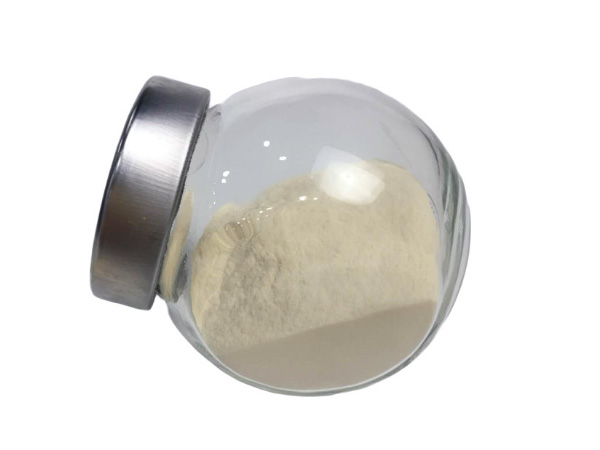
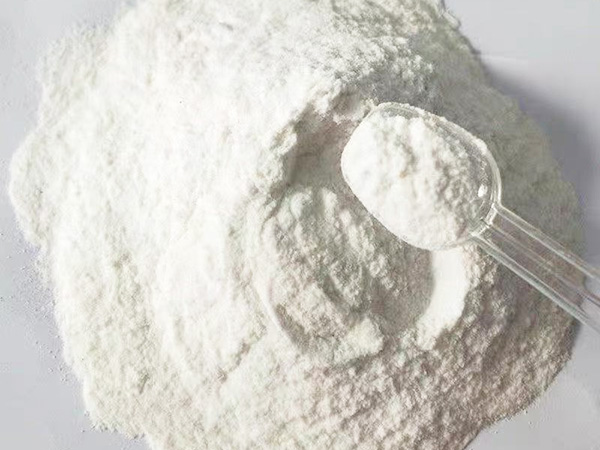
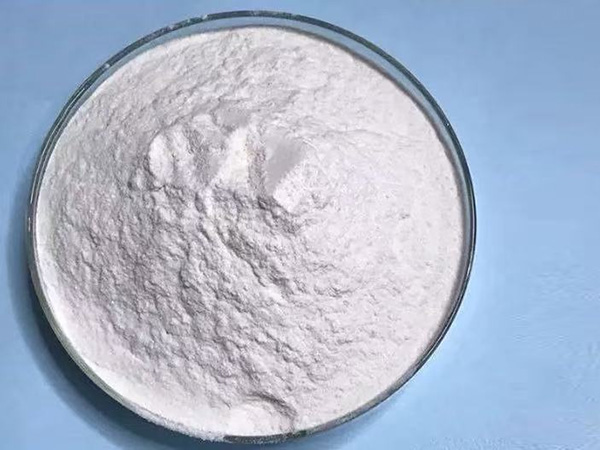
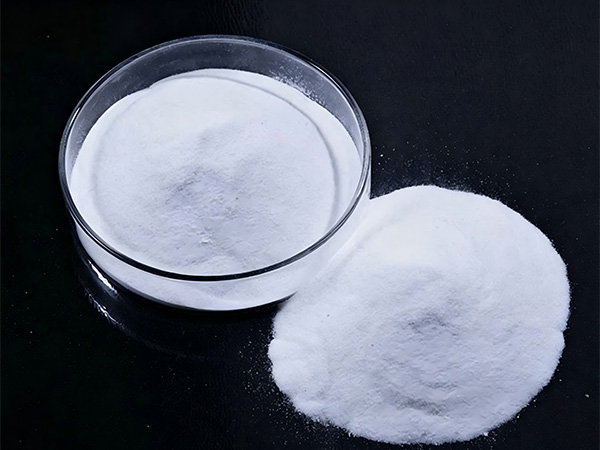
Cationic Polyacrylamide(CPAM)is primarily produced via free-radical copolymerization of acrylamide(AM)with a cationic monomer,followed by post-processing.The aqueous solution polymerization method is the most common for industrial-scale powder production.
1.Raw Material Preparation
Base Monomer:Acrylamide(AM)(aqueous solution,90%+purity).
Cationic Monomers(to introduce positive charge):
DADMAC(Dimethyl Diallyl Ammonium Chloride)–most common,high stability.
DAC(Acryloyloxyethyl Trimethyl Ammonium Chloride).
DMC(Methacryloyloxyethyl Trimethyl Ammonium Chloride).
Initiators:
Redox:Ammonium persulfate+sodium bisulfite.
Azo:AIBN(Azobisisobutyronitrile).
Composite Systems:Combine redox and azo for better control.
Additives:
Disodium EDTA:Chelates metal impurities.
Chain transfer agents:Control molecular weight.
Urea:Improves solubility.
2.Core Production Process(Aqueous Solution Polymerization)
Step 1:Solution Preparation&Deoxygenation
Dissolve AM and cationic monomer in deionized water(total concentration:20–45%).
Adjust pH(typically 3–6 for cationic monomers).
Purge the reactor with nitrogen(N₂)for 20–30 minutes to remove oxygen(a polymerization inhibitor).
Step 2:Polymerization Reaction
Add the initiator system.
Temperature Control:30–60°C(often gradient heating).
Reaction Time:4–8 hours.
The solution turns into a rigid,viscous polymer gel as high-molecular-weight chains form.
Step 3:Gel Processing
Granulation:The gel is extruded/cut into small pellets.
Drying:Pellets are dried in hot air(80–120°C)to reduce moisture<10%.
Milling&Sieving:Dried particles are ground and sieved to a powder(typically 80–120 mesh).
Step 4:Quality Control&Packaging
Test for molecular weight,cationic degree(ionicity),solubility,and residual monomer.
Package in 25kg paper/plastic bags,sealed for moisture protection.
3.Alternative Production Methods
(Inverse Emulsion Polymerization)
Produces liquid(emulsion)CPAM(W/O type).
Monomers are emulsified in oil.Fast-dissolving,used for high-speed applications.
(Modification Method)
Create CPAM by reacting non-ionic PAM with a cationic reagent(e.g.,Mannich reaction).Less common due to stability issues.
4.Key Quality Control Parameters
Cationic Degree(Ionicity):5%–80%(determines charge strength).
Molecular Weight:5–12 million(higher=better floc bridging).
Residual Monomer:<0.05%–0.1%(for drinking water applications).
Solubility:Dissolves completely in water within 1 hour.
References
GB/T 7714
Feng,Q.,Liu,Z.,&Yang,H.(2020).Synthesis and application of cationic polyacrylamide by aqueous solution polymerization.Chemical Industry and Engineering Progress,39(S2),112–118.
MLA
Feng,Qiang,et al."Synthesis and Application of Cationic Polyacrylamide by Aqueous Solution Polymerization."Chemical Industry and Engineering Progress,vol.39,no.S2,2020,pp.112–118.
APA
Feng,Q.,Liu,Z.,&Yang,H.(2020).Synthesis and application of cationic polyacrylamide by aqueous solution polymerization.Chemical Industry and Engineering Progress,39(S2),112–118.