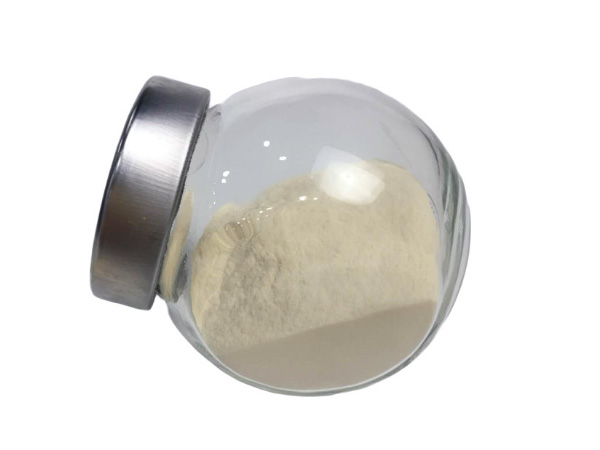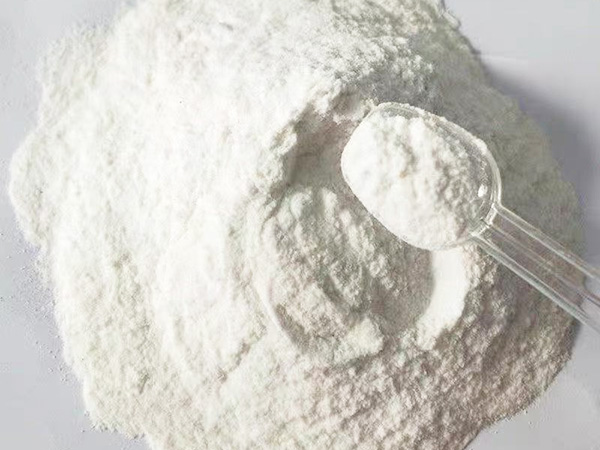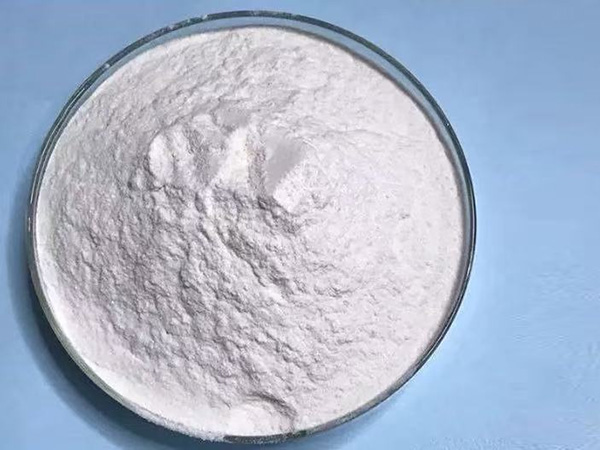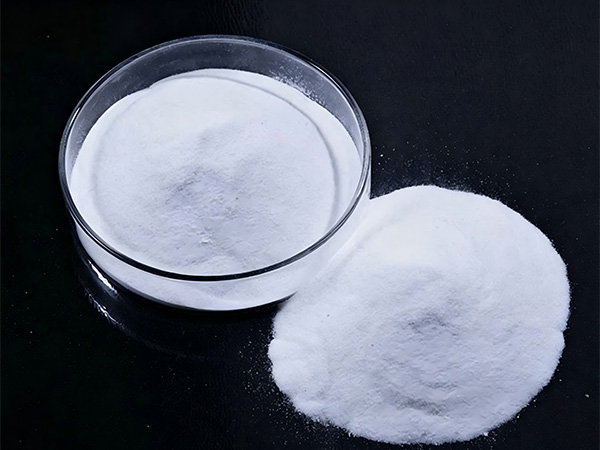






How to dissolve Cationic Polyacrylamide correctly?
2026-04-14 10:45:40
Follow these steps to dissolve CPAM efficiently and avoid agglomeration(fish eyes),chain breakage,or incomplete dissolution.
1.Preparation Conditions
Use clean fresh water(tap water is fine;avoid high hardness or sewage).
Water temperature:10–40°C(warm water speeds up dissolving;>55°C damages polymer).
Prepare concentration:0.1%–0.3%(1–3 kg powder per 1000 kg water).
2.Dissolution Steps
Fill the dissolving tank to the required water level and start the stirrer.
Slowly and evenly sprinkle CPAM powder onto the water surface vortex—do not dump all at once.
Maintain gentle stirring(200–400 rpm)to avoid shearing and breaking molecular chains.
Continue stirring for 40–90 minutes until fully dissolved,with no particles or lumps.
3.Key Tips to Prevent Fish Eyes
Add powder slowly,not in clumps.
Keep water circulating to avoid powder sticking to the tank bottom or wall.
If agglomeration occurs,extend stirring time;do not add more powder.
4.Solution Storage
Use the prepared solution within 24–48 hours.
Avoid contact with iron,copper,or aluminum containers;use plastic or stainless steel.
Do not mix with concentrated inorganic chemicals before dilution.
5.Common Mistakes to Avoid
High stirring speed→chain breakage→reduced flocculation effect.
Over-high concentration→difficult to dissolve and easy to agglomerate.
Adding powder to static water→massive clumping.
References
GB/T 7714
Zhang,Y.,Wang,H.,&Li,S.(2022).Correct dissolution method and precautions of cationic polyacrylamide.Industrial Water Treatment,42(5),48–51.
MLA
Zhang,Y.,H.Wang,and S.Li."Correct Dissolution Method and Precautions of Cationic Polyacrylamide."Industrial Water Treatment,vol.42,no.5,2022,pp.48–51.
APA
Zhang,Y.,Wang,H.,&Li,S.(2022).Correct dissolution method and precautions of cationic polyacrylamide.Industrial Water Treatment,42(5),48–51.