





What are the main applications of Polyanionic Cellulose?
2026-04-14 09:57:49
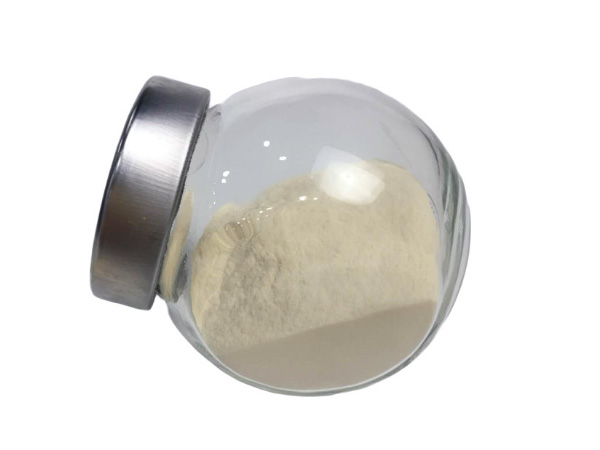
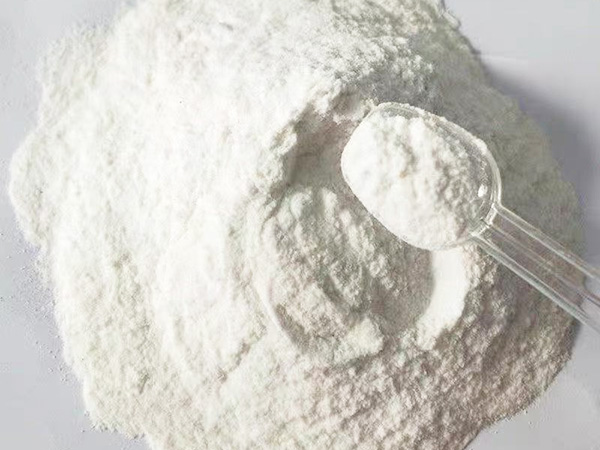
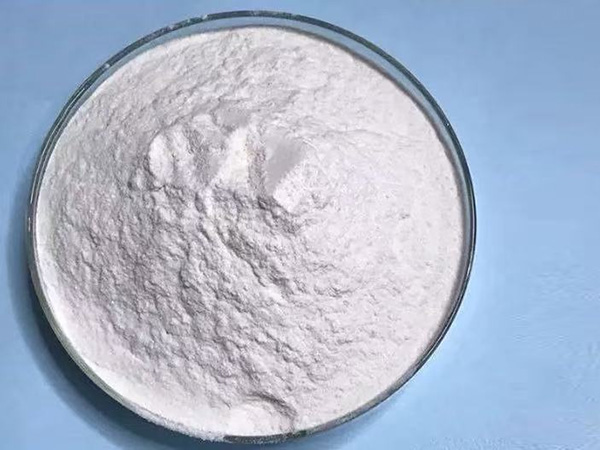
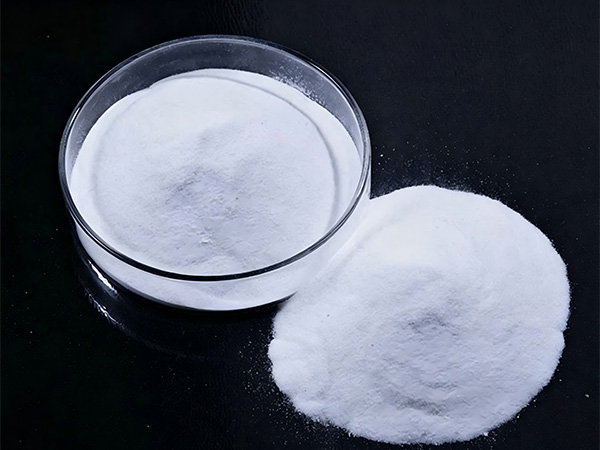
Polyanionic Cellulose(PAC)is a high-performance water-soluble polymer with outstanding salt resistance,thermal stability,water retention,and rheological control properties.Its main applications span multiple industries,with the most important uses as follows:
Oil and Gas Drilling Fluids
As a core fluid-loss controller and rheology modifier,PAC stabilizes drilling mud,forms dense filter cakes,suspends cuttings,and performs reliably in high-temperature,high-salinity,deep-well,and offshore drilling environments.
Construction Materials
Used in tile adhesives,cement mortar,wall plaster,self-leveling compounds,and repair mortars to provide excellent water retention,improve workability,reduce cracking,and enhance bonding strength.
Food Industry
As a food-grade thickener,stabilizer,suspending agent,and water-retaining agent(E466),it is used in beverages,dairy products,frozen desserts,sauces,baked goods,and noodles to improve texture,prevent sedimentation,and extend shelf life.
Ceramic Industry
Acts as a binder and rheology modifier in ceramic bodies and glazes,improving formability,smoothing glaze surfaces,and reducing defects during firing.
Water-Based Paints&Coatings
Provides thickening,anti-settling,and anti-sagging properties,keeping pigments evenly dispersed and improving coating stability and construction performance.
Daily Chemical&Pharmaceutical Products
Used in cosmetics,personal care products,and pharmaceutical preparations as a thickener,stabilizer,and film-forming agent to enhance product texture and stability.
References
GB/T 7714
Wu D,Liu X,Zhao L.Overview of applications and performance research of polyanionic cellulose[J].Chemical Industry and Engineering Progress,2020,39(S1):123–129.
MLA
Wu,Dong,et al."Overview of Applications and Performance Research of Polyanionic Cellulose."Chemical Industry and Engineering Progress,vol.39,no.S1,2020,pp.123–129.
APA
Wu,D.,Liu,X.,&Zhao,L.(2020).Overview of applications and performance research of polyanionic cellulose.Chemical Industry and Engineering Progress,39(S1),123–129.