





Carboxymethyl Cellulose (CMC) in Food Industry
2026-08-11 02:51:09
Carboxymethyl cellulose sits on ingredient lists under names like cellulose gum, and most shoppers walk right past it. That quiet obscurity hides a workhorse. In food plants, CMC is the additive that stops ice cream from turning icy, keeps a sauce from splitting, and gives a slice of bread a softer crumb a week after baking. It is cheap, stable, and accepted on labels across the major markets — which is why it shows up in more products than almost any other hydrocolloid.
What CMC Does in a Food System
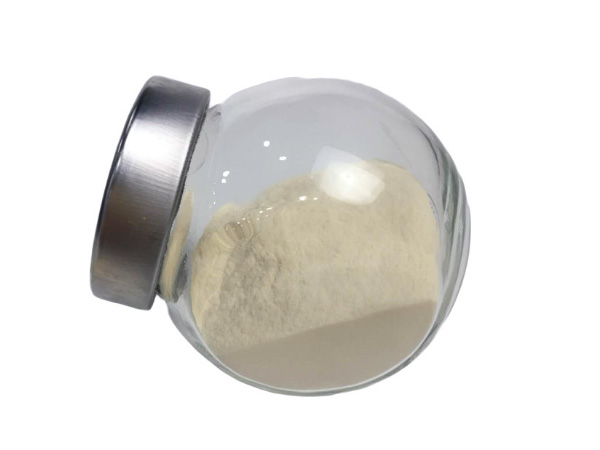
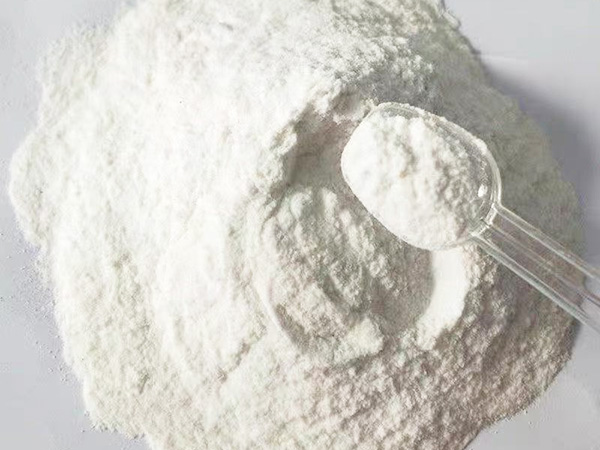
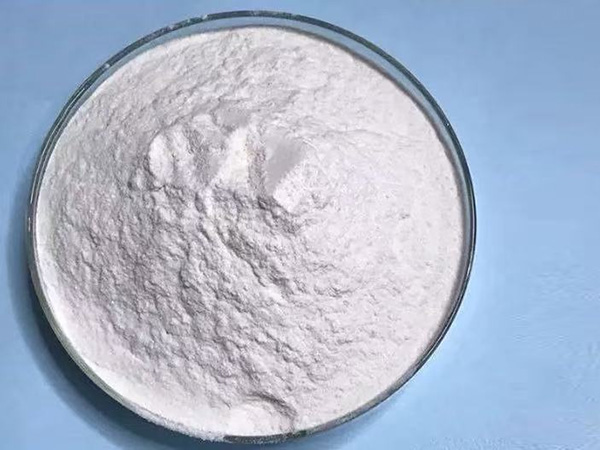
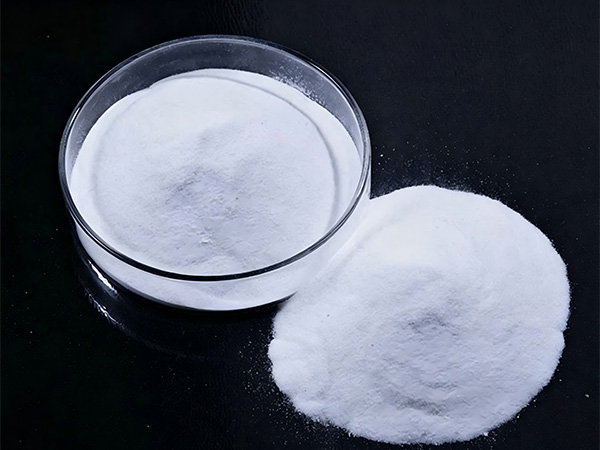
CMC is cellulose — the same stuff in plant walls — chemically modified so it dissolves in water. The result is a clear, tasteless solution that thickens and binds water. Because it carries a negative charge, it also interacts with proteins and other charged ingredients, which opens up uses beyond simple thickening. A food-grade CMC from a careful manufacturer will be uniform in substitution degree, so a baker or sauce maker gets the same behavior every batch.
Ice Cream and Frozen Desserts
Freezer burn and ice crystals are the enemies of a good tub. CMC slows the movement of free water, so fewer large crystals form during storage and temperature swings. The texture stays smooth, and the product resists the sandiness that ruins premium ice cream. It also helps the mix hold air during freezing, giving a lighter body without extra fat.
For a factory, the practical win is shelf life. A stabilizer system built around CMC keeps the product saleable longer, which matters as much as the eating quality.
Bakery and Bread Softness
In bread and wraps, CMC binds water that would otherwise migrate out or stiffen the crumb. The effect is a softer product that stays flexible past the usual staling point. Tortillas and burger buns benefit most, holding shape and chew without adding fat or changing taste. The dose is small — fractions of a percent — but the difference on day five is obvious on the shelf.
Beverages and Suspension
Chocolate milk is the classic case. Without a stabilizer, cocoa solids drift to the bottom and the drink looks separated. CMC keeps them evenly suspended so every sip tastes the same. The same logic applies to flavored protein drinks and fruit preparations where pulp or pulp bits need to stay put instead of floating or sinking.
Sauces, Dressings, and Processed Foods
CMC gives pourable sauces body without the heaviness of starch or flour, and it survives the acid and heat that break weaker thickeners. In low-fat formulations it replaces some of the mouthfeel lost when fat is cut, which is why diet products lean on it. A supplier who stocks several viscosity grades lets a developer match the polymer to the exact flow the product needs.
Sourcing Food-Grade CMC
Food use demands tight limits: purity, heavy metals, and microbiology all have to clear the relevant food regulations, and the paperwork has to travel with the shipment. A qualified CMC supplier provides certificates of analysis and confirmation of compliance, and keeps the grade steady so a recipe validated once stays valid. For a plant running multiple lines, buying from one manufacturer that covers several viscosity grades simplifies auditing and inventory.
Dairy and Processed Meat
In yogurt drinks and processed cheese, CMC stabilizes the emulsion and stops the protein from gritting or separating during storage. In some reformed meat and surimi, it binds water so the product stays juicy after freezing and reheating. The doses stay low, but the texture protection is what keeps these items uniform from the first pack to the last. A supplier offering a food grade with the right viscosity lets the developer tune body without masking flavor.
Regulatory Standing
CMC carries approved status as a food additive in the major markets, with defined limits that vary by category. That acceptance, plus its inert taste and stable behavior, is why it appears across so many lines. A qualified CMC manufacturer supplies the documentation a food plant needs to show compliance, and keeps the grade steady so a validated recipe stays valid across audits and relabels.
Final Thoughts
CMC earns its place by doing ordinary jobs reliably: hold water, suspend solids, soften crumb, smooth ice cream. None of it is glamorous, but together it cuts waste and keeps products looking right at the point of sale. Sourced from a supplier who treats food grade as a serious specification, it is one of the steadiest tools a food technologist can keep on the shelf.
References
Pawar, S.N. & Edgar, K.J. (2012). "Application of Cellulose and Cellulose Derivatives in Pharmaceutical Formulations and Food." Biomaterials, 33(11), 3279-3305.
McClements, D.J. (2005). Food Emulsions: Principles, Practice, and Techniques (2nd ed.). CRC Press.
Heinze, T. (1998). "Carboxymethyl Ethers of Cellulose." Macromolecular Symposia, 130(1), 123-142.