





Carboxymethyl Cellulose (CMC) in Detergents and Cleaning
2026-08-11 02:50:27
CMC shows up in places far from the dinner plate. Walk down the cleaning aisle and the same cellulose derivative that smooths ice cream is quietly stopping your clothes from turning grey. In laundry and dish detergents it plays a specific, unglamorous role that most formulators consider essential: it keeps the dirt that was lifted off your clothes from settling back down on them. That single function is why it has been a standard detergent ingredient for decades.
The Anti-Redeposition Job
Washing works in two steps. Detergent pulls soil off the fabric, then the machine rinses it away. The problem is the second step: loose soil suspended in the wash water wants to land back on the cloth, especially as the water cools and the charge balance shifts. CMC solves this by coating fabric fibers with a thin, negatively charged film. The soil, also typically negative, is repelled and stays in the water until it drains away.
Without that film, washed loads gradually grey and stiffen, and whites lose their brightness cycle after cycle. With it, the same shirt keeps looking clean far longer. A detergent maker relies on a steady CMC grade so this effect does not vary between production runs.
Why Cellulose-Based and Not Something Else
CMC is cheap, inert, and compatible with the surfactants, builders, and enzymes in a modern powder or pod. It tolerates hard water better than many alternatives and does not interfere with the cleaning chemistry. Because it is derived from cellulose, it also fits the plant-based positioning some brands now promote, which helps marketing without hurting performance.
The viscosity grade matters. A supplier offering several CMC types lets a formulator pick one that disperses in the wash system and deposits evenly without gumming up spray nozzles or packaging equipment.
Use in Dish and Hard-Surface Cleaners
The same anti-redeposition idea carries into automatic dishwashing, where CMC helps keep food films from reattaching to plates during the rinse. In some hard-surface and glass cleaners it adds a bit of body and helps the product sheet off evenly, leaving fewer streaks. The dose is low, but the visual result on glass and tile is noticeable.
Handling in the Plant
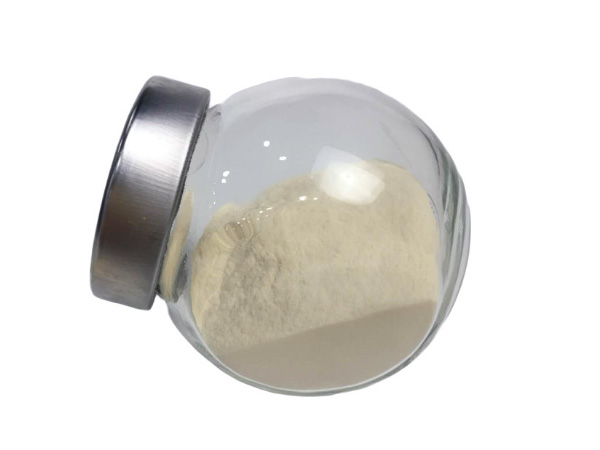
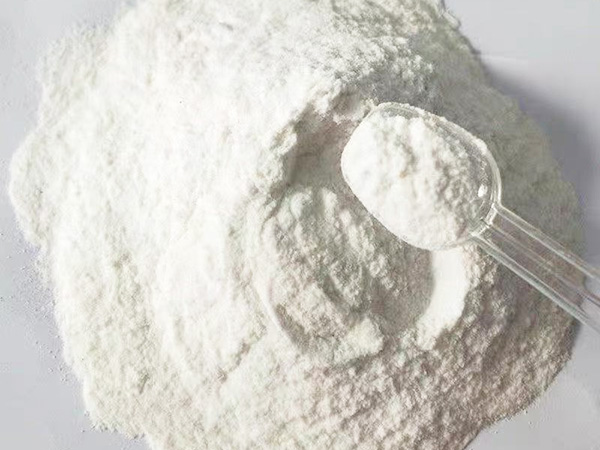
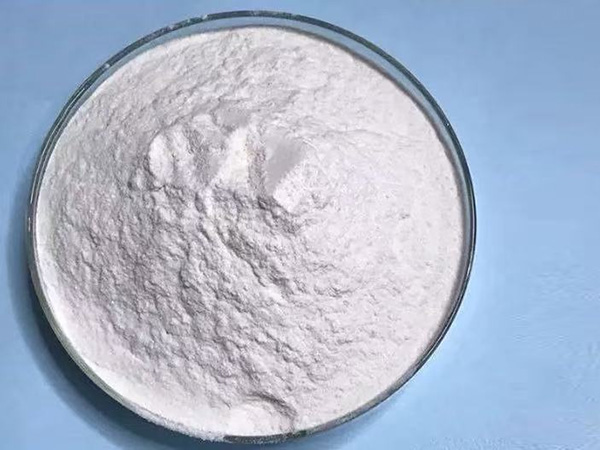
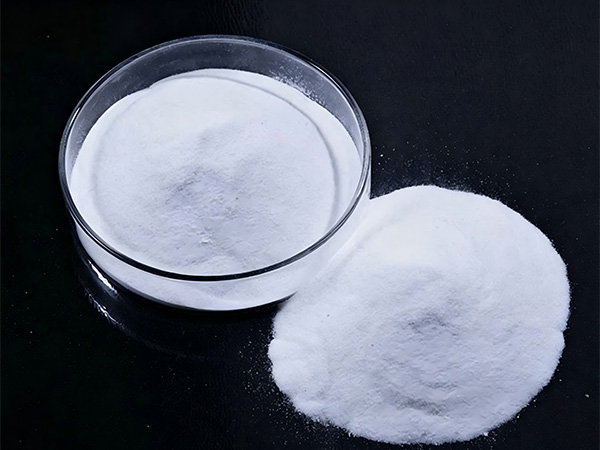
CMC is a fine powder that can dust and clump if added carelessly to a slurry. Detergent plants typically pre-slurry it in water or add it through a dust-controlled inlet so it wets out before the mix thickens. A manufacturer who ships consistent particle size and moisture makes this step predictable, which keeps the line running instead of stopping to clear lumps.
Sourcing From a Capable Supplier
Detergent-grade CMC does not need food limits, but it does need reliable substitution degree and low insoluble matter so the final product stays clear in solution. A qualified CMC supplier provides spec data on viscosity and purity, and can advise on the grade that fits a powder, liquid, or tablet format. For a brand sourcing at volume, working with one manufacturer across grades simplifies quality control and keeps deliveries aligned with production planning.
Powder, Liquid, and Tablet Formats
The format changes how CMC is added. In powders it is dry-blended with the rest of the mix; in liquids it is pre-dissolved so the bottle stays clear; in tablets it must compress cleanly without slowing the line. Each route favors a slightly different viscosity grade, and a supplier stocking the range lets the formulator pick instead of compromising. The aim is always the same — even deposition without clouding or grit in the finished product, whatever the form it ships in.
Environmental Profile
CMC is biodegradable and derived from cellulose, which fits brands reporting on ingredient footprint. It does not accumulate in the way some synthetic polymers can, and wastewater plants handle it readily as the wash water is treated. That green angle is secondary to performance, but for a brand reporting sustainability metrics it is a genuine point in the material's favor. A manufacturer can usually supply the degradation data to back the claim, and confirm the grade leaves no visible residue on fabrics after the rinse.
Final Thoughts
CMC in cleaning is a background player, and that is the point. It does not foam or scent or bleach — it just makes sure the dirt leaves and stays gone. For a detergent that has to perform wash after wash, that quiet consistency is the difference between a product people rebuy and one they quietly drop. A supplier who treats detergent grade as a real specification keeps that promise intact.
References
Showell, M.S. (1998). Powdered Detergents. Marcel Dekker.
Falbe, J. (1987). Surfactants in Consumer Products: Theory, Technology and Application. Springer.
Dillan, K. & Emery, A. (1991). "Carboxymethylcellulose as an Anti-Redeposition Agent in Detergency." Journal of the American Oil Chemists' Society, 68(2), 117-120.