





Carboxymethyl Cellulose (CMC) in Oil Drilling
2026-07-01 08:35:42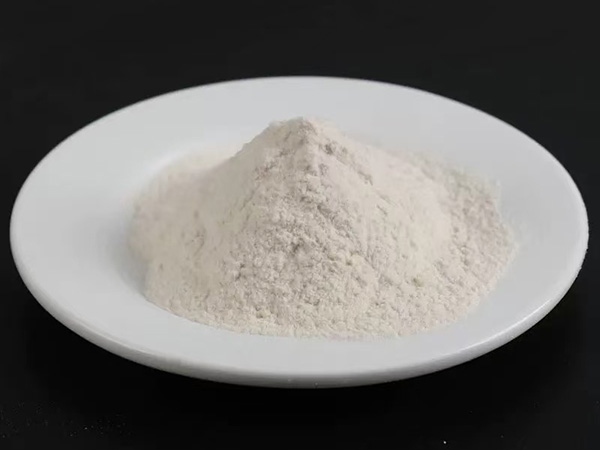
Drilling fluid chemistry is one of those areas where small decisions can have outsized consequences. Choose the wrong additive and you may spend days managing problems that should never have developed in the first place. Carboxymethyl cellulose, known in industry shorthand as CMC, has long been a trusted tool for mud engineers precisely because it reliably solves several common drilling fluid problems at once — without introducing new complications into the system.

The Chemistry Behind CMC
CMC is synthesized by reacting cellulose — typically derived from wood pulp or cotton — with sodium monochloroacetate under alkaline conditions. The reaction replaces some of the hydroxyl groups on the cellulose backbone with carboxymethyl groups, creating a polymer that is water-soluble and anionic in character. The degree of substitution, or DS, determines how many hydroxyl groups have been converted, and this number directly influences the solubility, viscosity, and performance of the final product.
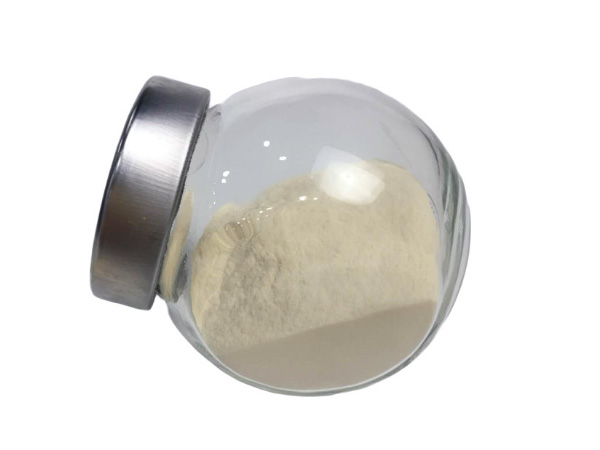
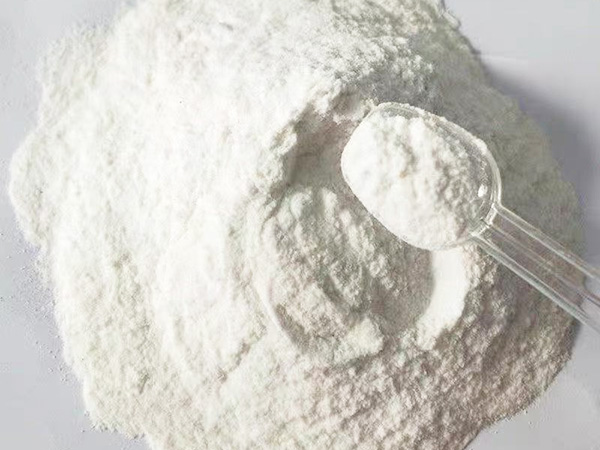
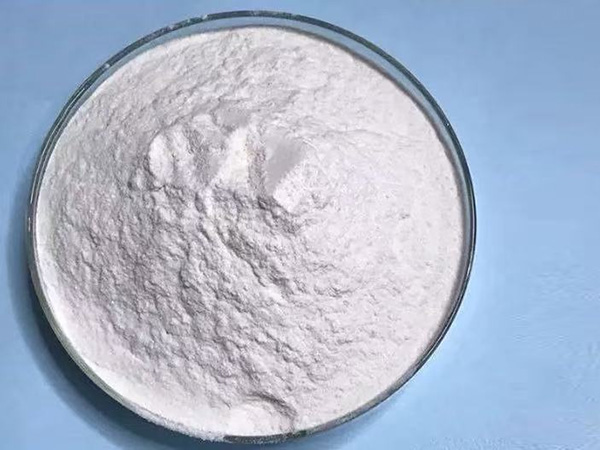
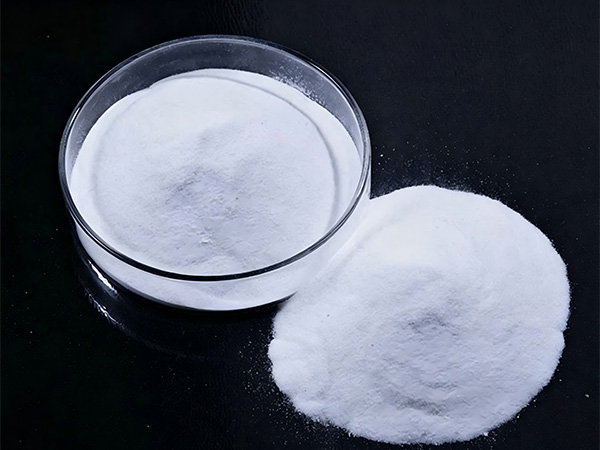
CMC used in drilling fluid applications is generally classified by viscosity — low viscosity (PAC-LV type) and medium to high viscosity grades — allowing the mud engineer to select the right product for the specific mud system in use. The product is a free-flowing white powder that dissolves readily in freshwater to form clear, viscous solutions.
Controlling Filtration and Filter Cake Quality
The primary reason CMC is added to a drilling mud is filtration control. When drilling fluid circulates against a permeable formation, liquid filtrate invades the rock while solids accumulate on the wellbore wall as a filter cake. If too much filtrate enters the formation, it can hydrate and swell reactive clays, destabilize the wellbore, and reduce the productivity of the reservoir interval once the well is completed.
CMC reduces filtration loss by increasing the viscosity of the mud's aqueous phase and by helping to build a thin, tight filter cake with low permeability. A quality CMC-treated mud typically produces a filter cake that is thin and slick — two characteristics that minimize stuck pipe risk and reduce wellbore cleaning challenges when tripping pipe.
Enhancing Mud Stability Under Challenging Conditions
Beyond filtration control, CMC contributes to overall mud stability in several important ways. It resists contamination from soluble calcium and magnesium salts, which means that a CMC-containing mud can tolerate moderate formation water influx without dramatic performance degradation. This is particularly useful when drilling through gypsum seams, limestone intervals, or other formations that introduce divalent cations into the mud system.
CMC also helps suppress microbial activity in the mud. Because the polymer creates an environment less hospitable to certain bacteria, mud systems containing CMC tend to require less biocide treatment and fewer pH adjustments to maintain control. This practical benefit reduces operating costs and simplifies daily maintenance of the mud properties.
Reducing Cake Thickness and Improving Wellbore Cleaning
One of the practical frustrations in drilling operations is thick, gummy filter cakes that accumulate on the wellbore wall and make it difficult to run casing or logging tools smoothly. CMC helps address this problem by promoting the formation of a thinner, harder, and more permeable filter cake — permeable enough to allow effective cementing yet thin enough to minimize stuck pipe incidents during trips.
The resulting cake is also easier to remove during wellbore cleanup operations, which means less time and fluid volume spent on post-drilling displacement and cleaning stages.
Industrial Applications Beyond Oil and Gas
While this article focuses on drilling applications, it is worth noting that CMC is a versatile industrial chemical with applications far beyond oil and gas. It serves as a thickener and binder in the food industry, a film-former in the paper and textile industries, and a suspending agent in a range of specialty chemical formulations. This breadth of use reflects the fundamental utility of a water-soluble anionic polymer derived from natural cellulose.
Choosing the Right CMC Supplier
For buyers in the oil and gas sector, sourcing CMC from a qualified manufacturer means looking beyond price to examine consistency of quality, technical support capability, and supply chain reliability. A reputable CMC factory will offer different viscosity grades, provide batch-specific certificates of analysis, and have the production capacity to meet both spot and contract volume requirements.
Suppliers who understand drilling fluid applications can add real value by helping customers select the correct grade for their mud system — particularly when dealing with high-density muds, high-temperature wells, or specific salinity conditions that might influence product performance.
Final Thoughts
Carboxymethyl cellulose remains a workhorse additive in water-based drilling fluids for good reason. It delivers reliable filtration control, improves mud stability in challenging geologies, and produces better-quality filter cakes that reduce operational risk. For anyone involved in drilling fluid formulation or procurement, a solid understanding of CMC's properties and applications is genuinely useful knowledge.
References
Bourgoyne, A.T., Millheim, K.K., Chenevert, M.E. & Young, F.S. (1986). Applied Drilling Engineering. Society of Petroleum Engineers.
Darley, H.C.H. & Gray, G.R. (1988). Composition and Properties of Drilling and Completion Fluids (5th ed.). Gulf Professional Publishing.
Heath, D. & Jeffries, R. (2013). "The Role of Cellulose Ethers in Drilling Fluid Performance." Journal of Petroleum Technology, 65(3), 84-89.