





Polyanionic Cellulose (PAC) in Oil Drilling
2026-07-04 08:48:06
Among the various cellulose derivatives used in the oil and gas drilling industry, polyanionic cellulose — commonly referred to by its acronym PAC — stands out as a particularly effective and versatile additive. Derived from natural cellulose through chemical modification, PAC brings a combination of fluid loss control, viscosity management, and salt tolerance that makes it indispensable in a wide range of drilling environments, from conventional land wells to challenging offshore operations.

What Is Polyanionic Cellulose
PAC is a water-soluble cellulose ether produced by reacting natural cellulose with etherifying agents under controlled conditions. The result is an anionic polymer with a high degree of substitution — meaning the chemical modification reaches deep into the cellulose structure — and a uniform distribution of charged groups along the molecular chain. These charged groups are what give PAC its distinctive ability to interact with water and with charged particle surfaces in a drilling mud.
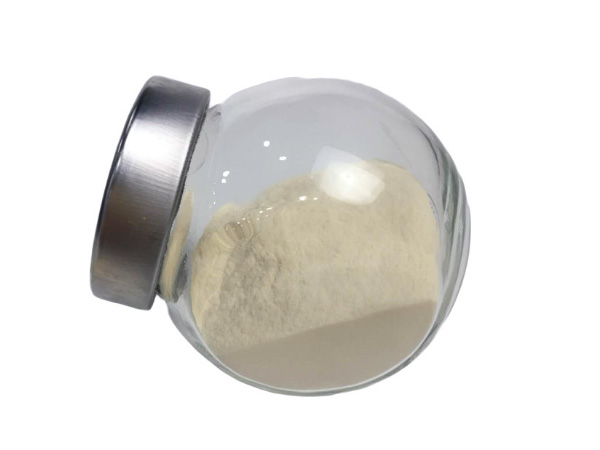
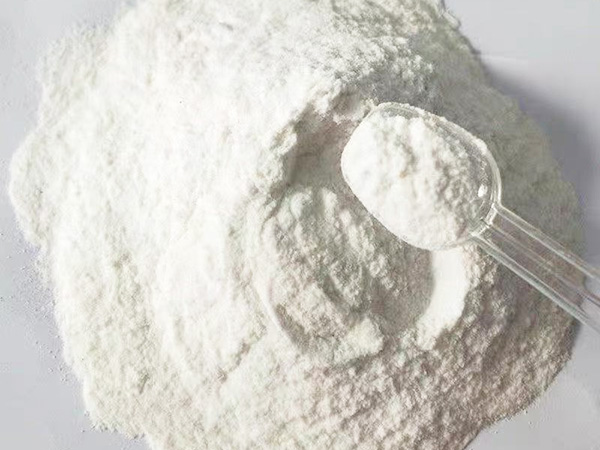
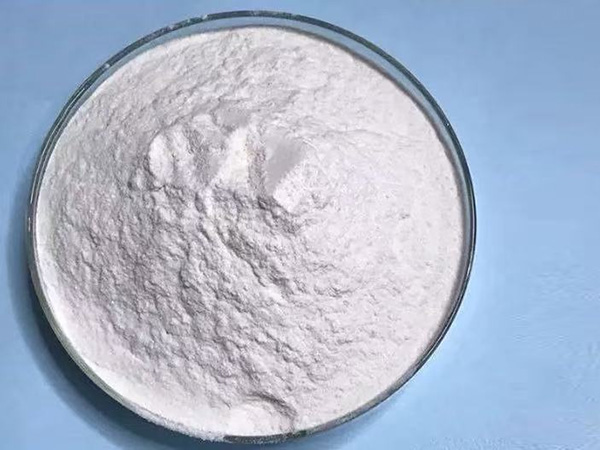
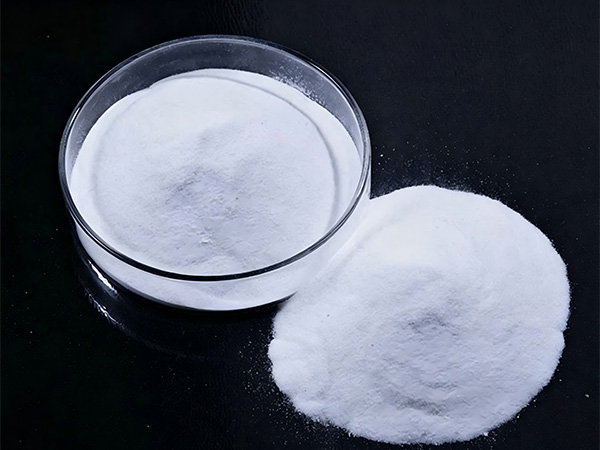
The product typically appears as a white or off-white flowing powder that dissolves quickly in both cold and hot water. Two main viscosity grades serve the industry: high viscosity (HV) PAC and low viscosity (LV) PAC. The grade selected depends on the specific mud system and the well conditions being addressed.
Core Performance Properties
The most valued characteristic of PAC in drilling fluid applications is its ability to control fluid loss. When PAC is added to a mud system, it forms a thin, low-permeability filter cake on the wellbore wall, reducing the amount of filtrate that invades the formation. Less filtrate means less clay swelling, better wellbore stability, and reduced risk of formation damage — all of which translate to fewer complications and lower total drilling cost.
PAC also functions as an effective viscosifier and rheology modifier. It builds pseudoplastic viscosity that helps the mud carry cuttings efficiently without becoming so thick that it creates unnecessary pumping pressure. The rheological profile it creates is stable across a range of temperatures, which is critical in wells where thermal gradients can vary significantly with depth.
Salt Resistance and Offshore Suitability
One of the most compelling advantages of PAC over some other cellulose derivatives is its performance in high-salinity environments. Seawater-based muds and saturated salt muds pose particular challenges because many polymers degrade or lose effectiveness in the presence of high ionic strength. PAC maintains its fluid loss control and viscosity-building properties in these environments, making it the preferred choice for offshore drilling operations where seawater is the base fluid.
The salt tolerance of PAC also makes it suitable for drilling through formations with high total dissolved solids, such as salt domes or formation brines. In these situations, the mud system must remain stable despite contamination, and PAC helps maintain that stability.
Compatibility and Versatility
PAC works well across a broad pH range and is compatible with most common drilling fluid additives, including bentonite, barite, weighting agents, and other viscosifiers. This makes it a versatile component that can be incorporated into a variety of mud systems without disrupting existing chemistry.
Both high-viscosity and low-viscosity grades of PAC demonstrate excellent fluid loss reduction in freshwater muds, seawater muds, and saturated salt muds. Low-viscosity PAC is particularly useful in situations where the mud system already has sufficient viscosity but needs fluid loss control — it adds minimal thickness while delivering strong filtration control.
Sourcing from an Experienced Supplier
For drilling contractors and mud engineers selecting a PAC supplier, the purity and consistency of the product matter significantly. High-purity PAC from a well-operated factory will have a uniform degree of substitution and consistent particle size distribution, which directly affects how predictably it performs in the field.
Manufacturers who understand the drilling industry can provide technical guidance on grade selection and mixing procedures, helping buyers optimize their mud formulations for specific well programs. Given the high cost of drilling delays and wellbore problems, the relatively modest investment in quality PAC from a reliable supplier is almost always justified.
Final Thoughts
Polyanionic cellulose has established itself as a foundational additive in modern drilling fluid systems. Its dual role as a fluid loss reducer and viscosity modifier, combined with excellent salt tolerance and broad chemical compatibility, makes it suitable for everything from routine development wells to complex offshore projects. As drilling operations continue to push into more challenging environments, the demand for high-quality PAC from trusted manufacturers and suppliers will remain strong.
References
American Petroleum Institute. (2010). "Drilling Fluids Processing Handbook." API Publishing Services.
Caenn, R., Darley, H.C.H. & Gray, G.R. (2011). Composition and Properties of Drilling and Completion Fluids (7th ed.). Gulf Professional Publishing.
Chen, S., Wang, S. & Li, J. (2018). "Synthesis and Performance Evaluation of Polyanionic Cellulose." Journal of Applied Polymer Science, 135(7), 45673.