





Sodium Carboxymethyl Cellulose in Food and Beverage Applications
2026-09-17 07:05:05
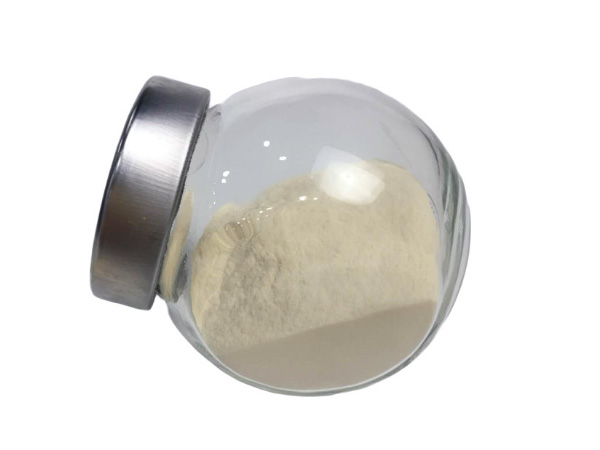
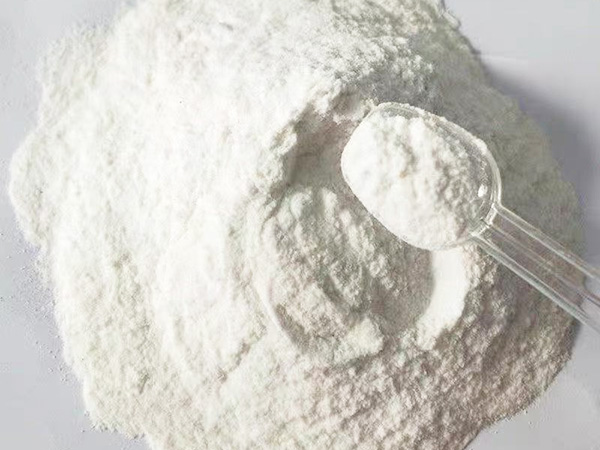
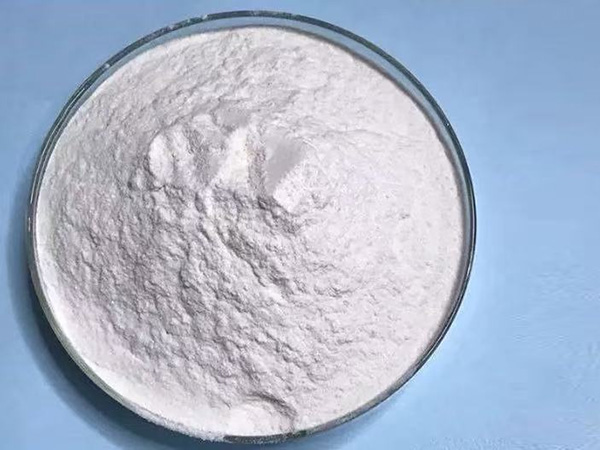
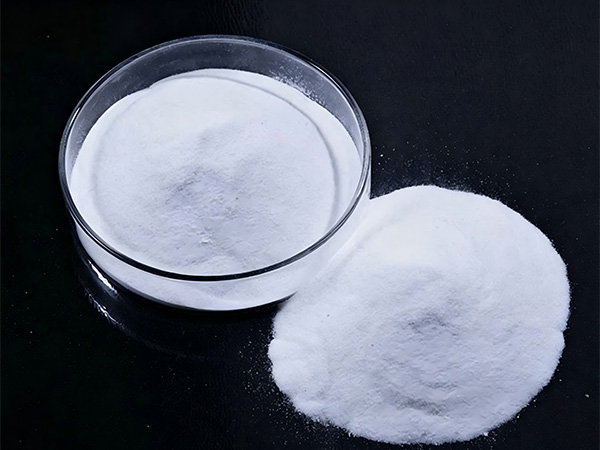
Check the ingredient panel on a tub of ice cream, a bottle of chocolate milk, or a jar of salad dressing and cellulose gum is likely sitting somewhere near the end of the list. That is sodium carboxymethyl cellulose, usually shortened to CMC, and few ingredients do so many quiet jobs across so many product types. Thickener here, water binder there, protein protector somewhere else. Once you understand what it is doing, it becomes an obvious tool for solving texture problems that stubbornly resist everything else.
Why It Behaves the Way It Does
CMC is made by chemically modifying natural cellulose so it becomes soluble in water, with sodium carboxymethyl groups grafted onto the chain. The result is a long anionic chain that thickens the water phase, holds onto moisture, and forms thin films when dried. Usage levels are low; typical doses sit well under one percent, and often nearer a few tenths. It dissolves in both cold and hot water, tolerates acid better than many thickeners, survives freeze-thaw cycling, and behaves reasonably well in the presence of salt. Different viscosity grades — some suppliers run half a dozen or more — let formulators pick the level of body they want without reformulating the rest of the recipe.
Ice Cream and Frozen Desserts
Frozen work is where CMC earns its reputation. The persistent enemy of stored ice cream is not the freezer: it is temperature fluctuation. Every time the product warms slightly and refreezes, small ice crystals melt and re-form as larger ones, and within weeks the smooth dessert has turned coarse and sandy. CMC interferes with that process by limiting water migration inside the mix, keeping moisture bound so it cannot gather into growing crystals. It also adds body to the mix and improves overrun stability, which is what stops high-yield products from collapsing once they warm up. This is why stabiliser systems built around cellulose gum remain standard even in economy formulations.
Acidified Dairy and Drinkable Yoghurt
Acidified milk drinks have their own problem. Drop the pH below the point where casein is stable and milk proteins start aggregating, giving the grainy, separated mess nobody wants to drink. CMC addresses it by associating with the protein surface and forming a soluble complex that keeps particles dispersed through acidification and heat treatment. The same mechanism improves shelf stability in fruit juices and plant-based drinks, where suspended pulp and protein would otherwise slowly settle into a firm layer at the bottom of the pack. These are applications where the dose genuinely matters: too little gives incomplete coverage, and the failure often appears weeks later rather than at the batch.
Bakery and Shelf Life
In bakery, CMC functions mainly as a water binder, which sounds modest but directly drives staling. Bread goes firm partly because moisture redistributes and starch retrogrades; holding water within the crumb slows both. The payoff is extended softness, improved yield — since doughs made with it absorb more water — and reduced breakage in products that travel. It additionally improves dough handling, giving pizza bases and flatbreads the extensibility needed to be rolled thin without tearing, so an operator running multiple formats often standardises on one grade to keep behaviour predictable.
Sauces, Dressings and Reduced-Fat Products
Sauces and dressings use CMC for thickening, pour control, and stability through storage, including hot-fill and chilled distribution. Reduced-fat formulations depend on it more heavily: remove fat and you remove the mouthfeel and body it contributed, and something has to replace it. CMC thickens while giving a clean, non-starchy, non-gummy mouthfeel, which is why it appears in so many light dressings and reduced-calorie sauces. Because it is non-toxic, odourless, and safe for food contact, its use extends comfortably into processed foods generally.
What the Regulations Actually Say
Regulatory thresholds are specific, and the American definition is unusually precise. U.S. regulations describe the permitted material as the sodium salt of carboxymethylcellulose at not less than 99.5 percent on a dry-weight basis, with a maximum substitution of 0.95 carboxymethyl groups per anhydroglucose unit, and a minimum viscosity of 25 centipoise for a 2 percent aqueous solution at 25°C. Those figures matter in two ways: they define the purity and substitution limits a manufacturer has to hit, and they give buyers objective test points to verify against a certificate of analysis. In Europe it carries designation E 466, with specifications set under Commission Regulation (EU) No 231/2012, and it is covered internationally by the JECFA monograph series published jointly by FAO and WHO.
Specifying and Sourcing It Well
Buy by viscosity grade and purity, not by generic description. The viscosity specification is essentially meaningless unless stated alongside concentration, temperature and the instrument used, and reputable suppliers will quote all three without being prompted. Particle size deserves attention too, since hydration rate varies enormously between fine powder and granulated forms. A manufacturer who produces to food-grade hygiene protocols with lot traceability should be able to supply analysed values, not simply a checklist, plus allergen declarations and the kosher or halal documentation required by the target market.
A Final Note
CMC is not glamorous and rarely headline-worthy, but it quietly solves problems — grainy ice cream, settling pulp, dry crumb, thin low-fat sauces — that would otherwise need expensive reformulation. The trick is treating it as a specified input rather than a commodity: match grade to function, verify substitution and viscosity on every lot, and buy from a supplier capable of holding those numbers steady.
References
U.S. Food and Drug Administration. "21 CFR 182.1745 — Sodium carboxymethylcellulose." Code of Federal Regulations, Title 21.
Commission Regulation (EU) No 231/2012 of 9 March 2012 laying down specifications for food additives listed in Annexes II and III to Regulation (EC) No 1333/2008 of the European Parliament and of the Council.
Joint FAO/WHO Expert Committee on Food Additives. "Carboxymethyl cellulose, sodium salt." Combined Compendium of Food Additive Specifications, FAO JECFA Monographs.