





Xanthan Gum in Food Industry Applications
2026-07-07 09:10:12
Walk through any modern food processing facility and you will almost certainly encounter xanthan gum — even if you cannot see it. This naturally derived polymer has become one of the most versatile ingredients in the food scientist's toolkit, quietly improving texture, stability, and shelf life across an enormous range of products. From salad dressings that stay mixed on the shelf to ice cream that resists melting too quickly, xanthan gum does its job without altering flavor or raising any red flags on the label.

How Xanthan Gum Works in Food Systems
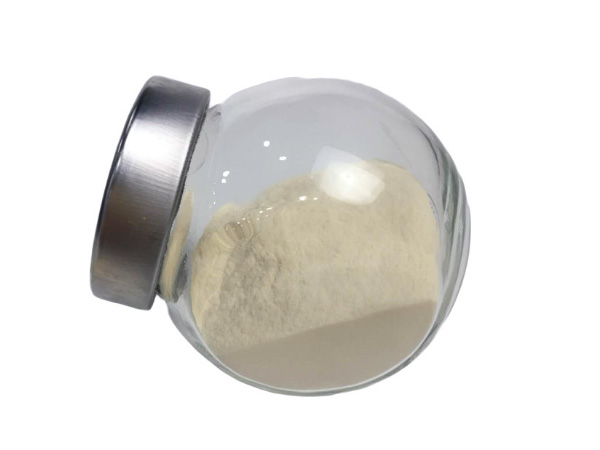
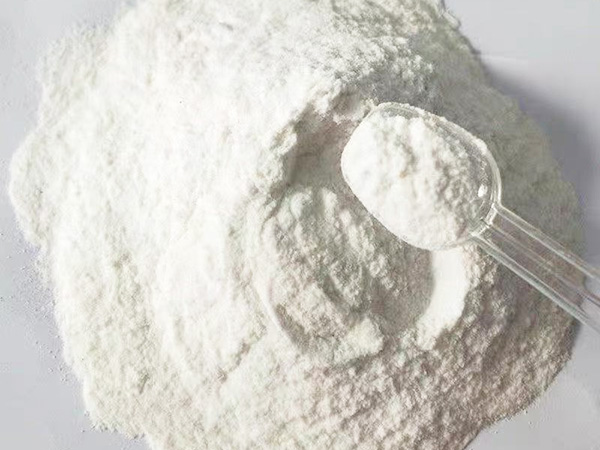
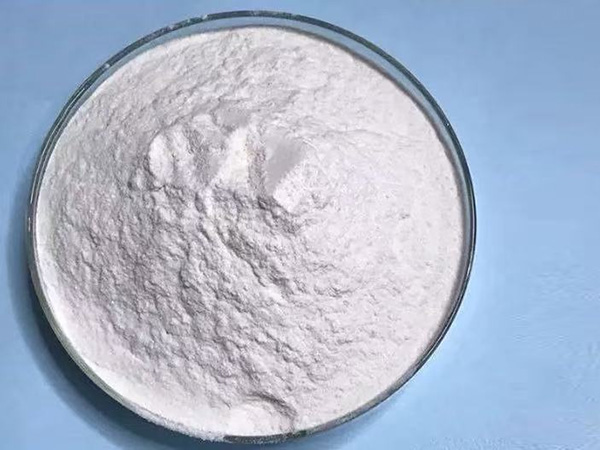
Xanthan gum is produced by fermenting glucose or sucrose with the bacterium Xanthomonas campestris — the same organism that causes black rot in broccoli and cauliflower. The fermentation yields a polysaccharide that, when dried and milled into a powder, dissolves readily in both hot and cold water to form viscous solutions. A remarkably small amount goes a long way: concentrations as low as 0.05 to 0.5 percent are often sufficient to achieve the desired texture modification.
What makes xanthan gum particularly attractive to food technologists is its pseudoplastic behavior — in plain terms, it thins out when stirred or pumped but thickens again when the shear force is removed. This shear-thinning property is invaluable in processing environments where ingredients need to flow through pipes and mixers but then set up properly once they reach their final container.
Stabilizing Salad Dressings and Emulsions
Anyone who has ever opened a bottle of salad dressing that had separated into an oily layer and a watery layer understands exactly why emulsification matters. Oil and water naturally want to stay apart, and without an stabilizer, they will eventually win that battle. Xanthan gum acts as an effective emulsion stabilizer at low use levels, helping to keep oil droplets dispersed and preventing the phase separation that would otherwise occur over hours or days of storage.
The result is a dressing that stays visually appealing from the factory shelf through the consumer's refrigerator. This stability extends to both pourable vinaigrettes and thicker cream-based products, giving formulators flexibility to create a wide spectrum of textures without sacrificing shelf life.
Improving Texture in Dairy and Frozen Desserts
Ice cream presents a unique challenge because it must be fluid enough to pump and process at sub-zero temperatures yet thick enough to hold air cells and resist melting once served. Xanthan gum contributes to this balance by controlling the movement of free water and by interacting with proteins and other hydrocolloids present in the mix.
Similar benefits apply to yogurt, sour cream, and other fermented dairy products. In these applications, xanthan gum helps prevent syneresis — the weeping or whey separation that can make a dairy product look unappealing on the shelf. The texture improvement translates directly to a better mouthfeel and a more consistent product experience from batch to batch.
Role in Bakery and Confectionery Products
In gluten-free baking, xanthan gum fills a structural role that gluten normally plays in wheat-based recipes. Gluten forms an elastic network that traps gas and gives bread its chew and structure. When gluten is absent — whether by necessity or by design — xanthan gum provides an alternative binding matrix that helps dough hold together and batters maintain their shape during baking.
The impact extends beyond gluten-free products. In conventional bakery applications, xanthan gum can improve the texture of cakes, muffins, and batters by increasing water retention and creating a finer, more uniform crumb structure. In confectionery, it is used as a thickener and stabilizer in fillings, coatings, and gum pastes.
Why Sourcing Quality Matters for Food Manufacturers
Food-grade xanthan gum must meet stringent purity standards, including limits on heavy metals, microbial counts, and protein content. A dependable xanthan gum supplier will provide certificates of analysis with every batch and maintain consistent product specifications that allow food manufacturers to scale recipes without unexpected texture shifts.
For companies sourcing ingredients in volume, working with a manufacturer that can guarantee supply consistency and regulatory compliance is essential. This is particularly true for products sold in multiple markets, where different regulatory frameworks may require different documentation and purity testing protocols.
Final Thoughts
Xanthan gum has proven itself over decades as a reliable, versatile, and label-friendly ingredient in the food industry. Its ability to thicken, stabilize, and emulsify at very low concentrations makes it cost-effective as well as functional. As consumer demand for clean-label and natural ingredients continues to rise, xanthan gum from reputable manufacturers and suppliers will remain a staple in food processing facilities around the world.
References
Sworn, G. (2011). "Xanthan Gum." In G.O. Phillips & P.A. Williams (Eds.), Handbook of Food Proteins. Woodhead Publishing.
Katzbauer, B. (1998). "Properties and Applications of Xanthan Gum." Polymer Degradation and Stability, 59(1-3), 81-84.
Whitcomb, P.J. & Macosko, C.W. (1978). "Rheology of Xanthan Gum." Journal of Rheology, 22(5), 493-505.