





APAM in Enhanced Oil Recovery
2026-11-08 03:07:14
What Is APAM in Enhanced Oil Recovery?
APAM is a linear, anionic polyelectrolyte whose chains carry negative charge. The product page for our anionic polyacrylamide describes it as a high-molecular-weight polymer used for viscosity, suspension, and flood control, with a molecular weight range of about 6 to 20 million and a hydrolysis degree of 10 to 40 percent, documented as conforming to GB, ISO, and API specifications and operating across a pH window of roughly 4 to 14. In EOR the same chain that flocculates wastewater is used to thicken the flood water: a tiny concentration gives a large viscosity gain, which is exactly what a polymer flood needs. The company's background notes more than 15 years of experience in polymer flooding and consistency control, with a nationally certified laboratory for enhanced oil recovery experimental analysis.
Polymer flooding is applied after primary and waterflood recovery have slowed, when injecting plain water would simply channel through the most permeable paths and leave oil behind.
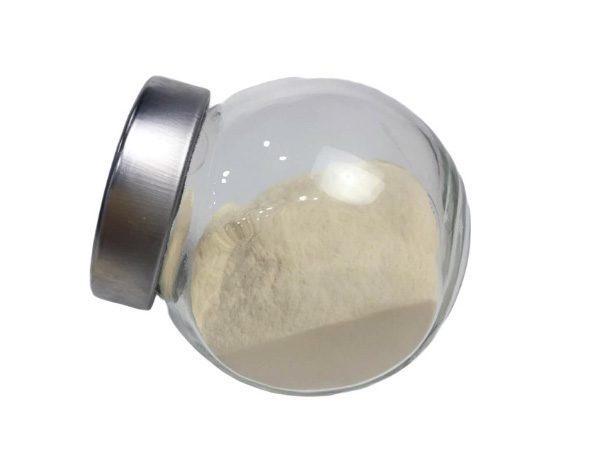
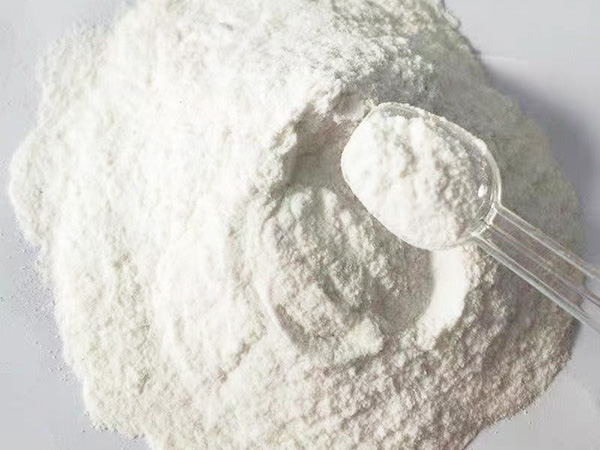
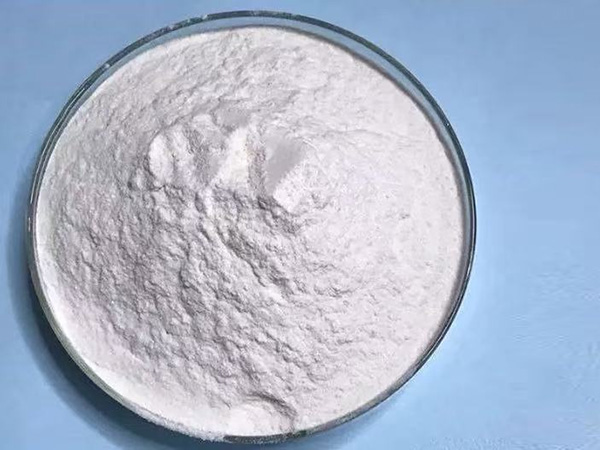
In practical terms APAM for flooding is supplied as a powder or emulsion, with the molecular weight and hydrolysis degree chosen against the reservoir's permeability and brine rather than by a single default grade. Quality is judged on molecular weight, hydrolysis, and residual monomer, and supply is documented to GB, ISO, and API references so the material can be audited through the project chain of custody. Because the polymer is used at low concentration but in very large total volume, logistics and make-down capacity at the injection site are part of the design, not an afterthought. The company's background in polymer flooding and consistency control, with a nationally certified laboratory for EOR experimental analysis, supports that grade screening and quality control.
How APAM Improves Sweep
A polymer flood works by mobility control. Water is much less viscous than oil, so when plain water is injected it tends to finger through high-permeability streaks and bypass the oil-bearing rock. Dissolved APAM raises the viscosity of the injected water toward that of the oil, lowering the mobility ratio so the front moves more uniformly and pushes more oil toward the producer. The high molecular weight is what gives the viscosity per unit mass; the anionic charge keeps the chains extended in brine so they are effective at low dose.
Good sweep also depends on injectivity: the polymer must thicken without plugging the near-well formation. That balance is why molecular weight and hydrolysis are screened against the reservoir's permeability and salinity before a flood is designed.
Why EOR Needs APAM
Mature fields face declining rates as the easy oil is produced. Waterflooding recovers more, but its poor mobility control leaves a large fraction of oil in place. APAM-based polymer flooding is a mature, field-proven method to lift recovery further at a known cost, often preceding or combined with alkaline-surfactant-polymer processes. For an operator, the appeal is a higher ultimate recovery from existing wells and infrastructure, without the expense of new drilling. The full polymer product list places APAM among the company's EOR-relevant materials.
APAM is also used in the associated water and solids control of EOR, including treatment of produced water and drilling fluids, so the same chemistry supports the surface and subsurface sides of the project.
APAM vs Other EOR Polymers
Several polymers are used in flooding; the choice follows brine and temperature. The practical comparison is:
- APAM — anionic, high molecular weight, strong viscosity in moderate-salinity brine, widely used and cost-effective.
- Non-ionic PAM — less salt-sensitive in some respects but weaker viscosifier; see the non-ionic polyacrylamide page.
- Biopolymers such as xanthan — shear-thinning and salt-tolerant but more expensive; see the xanthan gum page.
- Chemically tailored copolymers — used in high-temperature, high-salinity fields where standard APAM degrades.
The reservoir's salinity, hardness, and temperature decide where APAM is optimal and where a more robust chemistry is needed.
Where APAM Fits: Case A vs Case B
Case A — moderate-salinity, warm reservoir. APAM at a low concentration thickens the flood water enough to improve sweep, with a molecular weight matched to permeability so injectivity stays acceptable and recovery rises without screenout.
Case B — high-temperature, high-salinity field. Standard APAM can hydrolyze and thin, so the program either uses a more stable grade or shifts to a thermally tolerant chemistry, with dose and hydrolysis confirmed by core and bottle tests rather than assumed.
How to Specify APAM for EOR
A precise inquiry lets a supplier screen the grade against the reservoir. When requesting APAM for polymer flooding, include:
- Reservoir data — permeability, temperature, and brine salinity and hardness.
- Target viscosity — desired flood viscosity at reservoir conditions.
- Molecular-weight window — if known from injectivity limits.
- Hydrolysis preference — to match brine compatibility.
- Form and packaging — powder or emulsion, and delivery logistics.
- Certification — any GB, ISO, or API references required.
At the injection site, APAM for flooding is handled as a low-concentration, high-volume additive: keep the powder or emulsion dry and cool, rotate stock by lot, and make it down in a dedicated, well-agitated system sized for the daily injection volume, because the polymer is used at low parts-per-million but in very large total mass over the life of the flood. A rheology check on the made-down solution, run against the screened molecular weight and hydrolysis, confirms the batch before it goes downhole, and that check is worth doing because viscosity at reservoir conditions is the property that controls sweep. When injectivity or mobility ratio drifts, confirm the grade and the make-down first, and review brine hardness and oxygen, since both degrade APAM performance. Because the material is documented to GB, ISO, and API references, qualify the lot from the certificate and audit it through delivery so the project chain of custody stays intact. Treating the polymer as a specified, logged, and tested input, not a bulk chemical, is what keeps the flood on design and protects the incremental recovery that justified the project in the first place. The same discipline supports the associated produced-water and drilling-fluid treatment, because the same polymer chemistry is easier to manage when its grade and source are already tracked. A simple log of dose against injection viscosity and injectivity turns the polymer flood from an art into a monitored process that the next engineer can run from the book.
Field handling, dissolution and injection control. For polymer flooding, APAM is normally received as dry powder or inverse emulsion and must be dissolved in low-salinity, low-hardness injection water or in softened produced water. Add the powder slowly through a venturi eductor or dosing hopper into continuously agitated water to prevent "fish-eyes", then allow 1 to 2 hours of low-speed mixing for complete hydration. Filter the mother solution (commonly 0.1 to 0.5 percent active) before it enters the injection header so undissolved grit cannot plug formation face or downhole screens.
Shear, compatibility and record keeping. APAM chains degrade under high shear, so avoid centrifugal pumps on the concentrated solution and keep transfer-line velocities moderate. Watch for divalent cations (Ca2+, Mg2+) and residual oil that can precipitate the polymer or cut viscosity. Keep a daily log of injection concentration, measured viscosity at reservoir temperature, and well injectivity, and compare it against the designed polymer slug size and sweep plan. A retained-viscosity trend lets you catch mechanical degradation or bacterial attack early and re-rate the program before sweep efficiency is lost.
Common Mistakes in Field Use
- Wrong molecular weight for permeability — too high risks screenout, too low gives weak viscosity.
- Poor dissolution — undissolved granules plug equipment; use controlled, aged make-down.
- Ignoring brine hardness — divalent ions can reduce APAM performance.
- Under-screening thermal stability — high temperature hydrolyzes chains and drops viscosity.
- Oxygen presence — oxygen can accelerate degradation; deaeration is part of good flood design.
FAQ: What molecular weight of APAM is used in polymer flooding?
The supplier documents a range of about 6 to 20 million. Higher molecular weight gives more viscosity per dose but needs enough reservoir permeability to inject; the optimum is found by core and bottle tests on the actual brine.
FAQ: Why is APAM anionic for EOR?
The anionic charge keeps the chains extended in brine, so they thicken water effectively at low concentration. Hydrolysis degree, typically 10 to 40 percent, is tuned to the salinity and hardness of the flood water.
FAQ: Does APAM replace waterflooding?
No. Polymer flooding is applied on top of waterflooding to improve mobility control. It thickens the injected water so the sweep is more uniform and more oil reaches the producers.
FAQ: What pH range does APAM tolerate?
APAM is documented for roughly pH 4 to 14, which covers most flood waters, though the exact optimum and stability depend on temperature, salinity, and oxygen content.
Conclusion
APAM is a field-proven thickening agent for polymer flooding in enhanced oil recovery, raising the viscosity of injected water to improve sweep and recover more oil from mature reservoirs at a known cost. Its high molecular weight and anionic character deliver strong viscosity at low dose, while the choice of molecular weight and hydrolysis must follow the reservoir's permeability, salinity, hardness, and temperature. Specify the grade against core and bottle tests on your actual brine, dissolve it cleanly, and control oxygen and hardness so the flood keeps its viscosity through the well and into the formation.
References
- Society of Petroleum Engineers — EOR and polymer flooding technical resources: https://www.spe.org/
- American Petroleum Institute — oil and gas standards: https://www.api.org/
- International Organization for Standardization — quality and management standards: https://www.iso.org/
- PubChem — polyacrylamide compound data: https://pubchem.ncbi.nlm.nih.gov/