





Anionic Polyacrylamide (APAM) for Sludge Dewatering
2026-11-07 10:01:41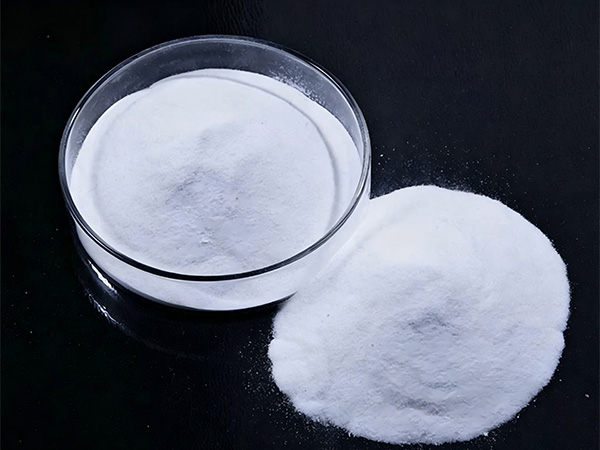
What Is APAM in Sludge Dewatering?
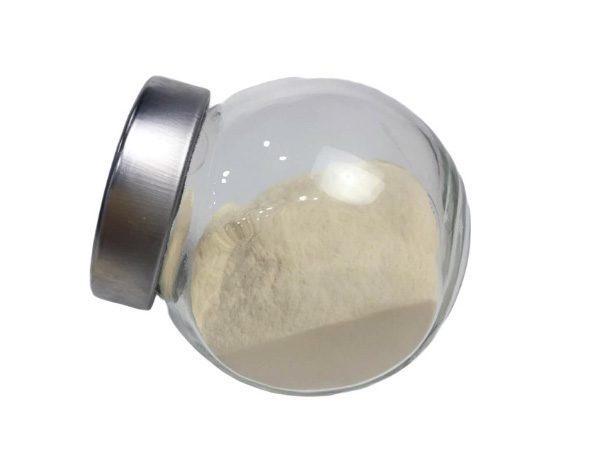
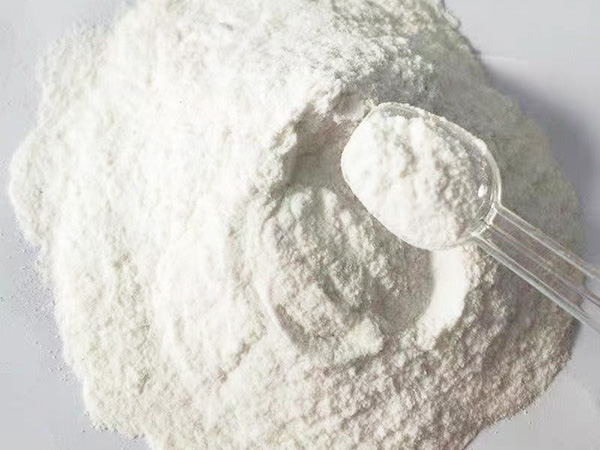
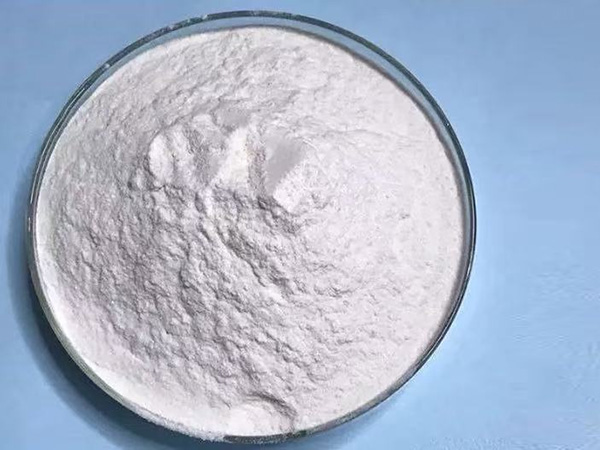
APAM is a linear, anionic polyelectrolyte whose chains carry negative charge. The product page for our anionic polyacrylamide describes it as a high-molecular-weight polymer used for flocculation and dewatering, with a molecular weight range of about 6 to 20 million and a hydrolysis degree of 10 to 40 percent, documented as conforming to GB, ISO, and API specifications and operating across a pH window of roughly 4 to 14. In dewatering the long chains sweep fine solids into flocs that the belt press, centrifuge, or filter press can then squeeze, lifting cake solids and lowering the volume that must be hauled or landfilled. The full polymer product list places APAM among the company's water and solids-control products.
Lower water content means lower transport weight and disposal cost, and better dewatering often decides whether a sludge stream is economic to manage.
In practical terms APAM for dewatering is supplied as a powder or emulsion, with the molecular weight and hydrolysis degree chosen to match the sludge rather than by a single default grade. Quality is judged on molecular weight, hydrolysis, and residual monomer, and supply is documented to GB, ISO, and API references so the plant can audit the material through its chain of custody. Because APAM is used at parts-per-million levels, a small inventory treats a large mass of sludge, which keeps storage and handling modest. The high molecular weight gives the bridging power that pulls fine particles together, while a small upstream coagulant often improves the result by first destabilizing the solids.
How APAM Dewaters Sludge
Dewatering works by bridging and compressing. Sludge is a mass of fine, water-held solids; APAM's long anionic chains adsorb onto particles and link them into large flocs with trapped water squeezed toward the outside. In a belt press or centrifuge, that structure releases water more readily, so the cake exits drier and the filtrate is clearer. The high molecular weight gives the bridging power that pulls fine particles together, while the anionic charge helps the flocs survive the shear of the press without breaking apart. Synergy with inorganic coagulants is common: a small coagulant first destabilizes the solids, then APAM does the bridging.
The result is a higher cake solids percentage, lower polymer and haul cost per dry ton, and a filtrate that can return to the process or treatment train.
Why Dewatering Needs APAM
Untreated or poorly dewatered sludge is mostly water, so transporting and disposing of it is expensive and often permit-limited. APAM turns that water-logged mass into a manageable cake, cutting haul volume and landfill or land-application cost while recovering water for reuse. It is effective at low dosage measured in parts per million, which keeps chemical cost down relative to the solids handled. The related cationic polyacrylamide chemistry is also used for sludge, and the choice follows the charge of the solids in the particular stream.
Better dewatering also reduces odor and leaching risk during storage and transport, which matters for community and regulatory acceptance.
APAM vs CPAM for Sludge
The two polyacrylamides are chosen by the charge of the sludge solids. The practical comparison is:
- APAM — anionic, strong on inorganic and mineral-laden sludges, often after a coagulant; high molecular weight gives large flocs.
- CPAM — cationic, strong on organic, biologically active sludges such as sewage and paper fines; rapid action at low dose. See the cationic polyacrylamide page.
- APAM — broad pH tolerance (about 4 to 14) and strong bridging.
- NPAM — non-ionic option for specific cases; see the non-ionic polyacrylamide page.
Many plants run a jar test to settle the product and dose, because sludge character varies by source and season.
Where APAM Fits: Case A vs Case B
Case A — inorganic or mineral sludge. A water-treatment or industrial inorganic sludge with fine mineral solids responds well to APAM at a few ppm after a small coagulant, giving a drier cake and clearer centrate on a centrifuge or belt press.
Case B — organic, biologically active sludge. A municipal or food-process sludge where solids are organic and negatively charged may need cationic chemistry or a blend; APAM alone may underperform because the charge match is poor.
How to Specify APAM for Dewatering
A useful inquiry lets a supplier match molecular weight and hydrolysis. When requesting APAM for sludge dewatering, include:
- Sludge type — source, typical solids, organic or inorganic character.
- Equipment — belt press, centrifuge, or filter press, since shear and residence time differ.
- Target — cake solids percentage and filtrate clarity.
- pH and temperature — operating range.
- Grade — molecular-weight and hydrolysis window if known.
- Packaging and volume — bag or emulsion, with estimated monthly usage.
Make-up water and aging. Prepare the APAM solution in clean, low-turbidity water using a gentle, long-shear mix; high local concentration or fast blending creates lumps that never fully hydrate. Allow the dilute solution to age 30 to 60 minutes before use so viscosity and bridging capacity stabilize. Keep the make-up tank covered and lightly agitated to avoid stratification and biological growth, especially in warm plants.
Dosing, monitoring and records. Feed the polymer as far upstream as practical and use a static mixer or flocculation baffle to build large, settleable flocs without over-shear. Track dry polymer dosage per tonne of dry solids, cake solids percentage, and centrate/clarified-water turbidity on every run. A simple control chart of cake solids versus dosage shows when the feed sludge character has changed (e.g. rising inert content or anaerobiosis) so you can adjust the recipe instead of simply adding more polymer and raising cost.
Troubleshooting and cost control. When cake solids fall despite the right dose, check the centrifuge differential and pool depth before adding more polymer, and confirm the feed isn't foaming from entrained air. Keep stock solution cool and used within its shelf life, because aged anionic solutions lose bridging power and quietly raise cost per dry tonne. Track centrate return to the process: if it carries fine floc, upstream mixing or a downstream polish may be needed. The cheapest improvement is usually better dewatering mechanics, not more polymer, so log machine settings next to dosage so the two are optimized together rather than in isolation.
Acceptance and when to revisit. Set the run target up front: a minimum cake solids percentage, a maximum centrate turbidity, and a polymer cost per dry tonne you will not exceed. Revisit the recipe whenever the feed sludge changes character, after any equipment maintenance, or when centrate quality drifts for two consecutive shifts. Keep an approved backup polymer grade on the vendor list so a supply gap never forces an unqualified substitution. Treat the control chart as the acceptance record: if the trend holds inside limits, the process is in control; if it walks out, investigate mechanics before chemical first.
Common Mistakes in Field Use
- Overdosing — excess polymer re-stabilizes particles and lowers cake solids.
- Poor dissolution — undissolved granules form fisheyes; use slow, geared agitation in a make-down tank.
- Wrong molecular weight — too high can shear and break; too low gives weak flocs.
- Dosing before mixing — flocs must form in a defined zone, not at a pump where shear chops them.
- Ignoring shear — high-pressure transfer breaks flocs; dose after the last pump where possible.
FAQ: What molecular weight of APAM is used for dewatering?
The supplier documents a range of about 6 to 20 million. Higher molecular weight gives stronger bridging and larger flocs for inorganic sludges, while lower molecular weight is easier to dissolve and shear-resistant; the optimum is found by jar test on your actual sludge.
FAQ: Does APAM work alone or with a coagulant?
APAM performs best after a small inorganic coagulant that destabilizes particles. Used alone it may not flocculate effectively because charge stabilization is incomplete; the synergy is what makes the low dosage economical.
FAQ: What pH range does APAM tolerate?
APAM is documented for roughly pH 4 to 14, which covers most sludge streams without aggressive adjustment, though the exact optimum depends on the coagulant and the solids.
FAQ: Is APAM or CPAM better for my sludge?
It follows the charge of the solids: APAM suits inorganic and mineral sludges, while CPAM suits organic, biologically active sludges. A jar or slip test on the actual sludge settles the choice.
Conclusion
APAM is a low-dosage flocculant that lifts sludge dewatering by bridging fine solids into large, fast-draining flocs, raising cake solids, lowering haul and disposal cost, and recovering water for reuse. It suits inorganic and mineral-laden sludges across a broad pH window, while organic sludges may call for cationic or non-ionic chemistry instead. Specify the molecular weight and hydrolysis against a jar test on your actual sludge, dissolve it correctly, and dose after mixing and before shear so the press produces the driest, most economic cake.
References
- U.S. Environmental Protection Agency — wastewater and biosolids resources: https://www.epa.gov/
- ASTM International — water and environmental testing standards: https://www.astm.org/
- International Organization for Standardization — environmental management standards: https://www.iso.org/
- PubChem — polyacrylamide compound data: https://pubchem.ncbi.nlm.nih.gov/