





APAM for Industrial Wastewater Treatment
2026-11-09 05:00:50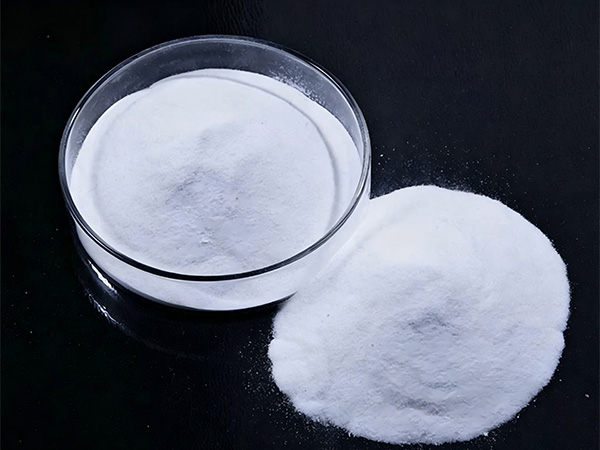
What Is APAM in Industrial Wastewater?
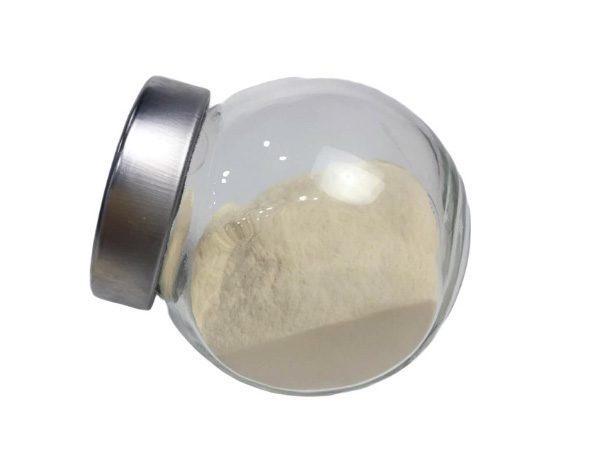
APAM is a linear, anionic polyelectrolyte whose chains carry negative charge along their length. The product page for our anionic polyacrylamide describes it as a water-soluble, high-molecular-weight polymer used for flocculation, suspension, and dewatering, with a molecular weight range of about 6 to 20 million and a hydrolysis degree of 10 to 40 percent. It is documented as conforming to GB, ISO, and API specifications, and it operates across a pH window of roughly 4 to 14, which covers most industrial effluents without aggressive pH adjustment.
Because the chains are long and flexible, a very low dosing level — measured in parts per million — is enough to sweep finely divided solids into flocs, so APAM is used as a coagulant aid rather than a primary coagulant. The full polymer additive range places APAM among the products used for water, mud, and solids-control applications.
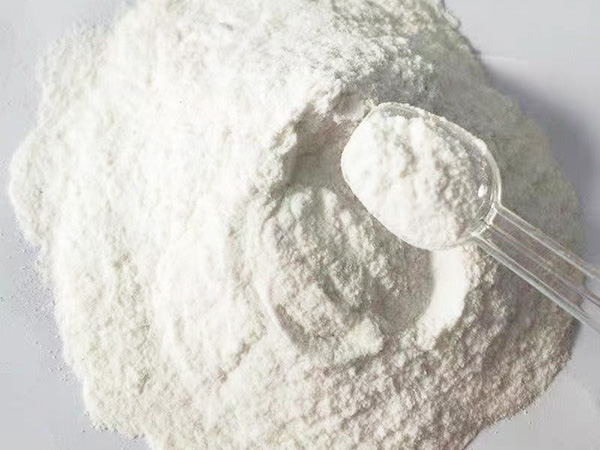
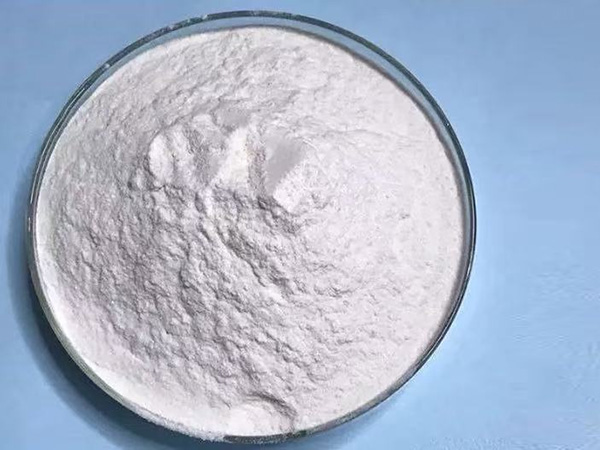
In practical terms APAM is supplied as a free-flowing powder or as an emulsion, with the molecular weight and hydrolysis degree chosen to match the solids in the stream rather than by a single default grade. Quality is judged on molecular weight, hydrolysis, and residual monomer, and supply is normally documented to GB, ISO, and API references so plants can audit the material through their chain of custody. Because APAM is used at parts-per-million levels, a small inventory treats a large volume of water, which keeps storage and handling modest at the site. The anionic character also means it pairs naturally with an inorganic coagulant, so the plant can build a two-step program that is both effective and economical.
How APAM Flocculates
Flocculation with APAM works by charge neutralization and polymer bridging. In many industrial streams the suspended solids carry a net negative surface charge that keeps them apart; when a small inorganic coagulant such as alum or ferric salt is added first, it compresses the charge and destabilizes the particles. APAM then lays its long chains across neighboring particles, bridging them into a single large floc that settles or floats rapidly. The high molecular weight is what gives the bridging power, while the anionic charge helps it spread through the water and avoid tangling on itself.
In practice APAM is dosed after coagulation, often through a static mixer or floc basin, and the flocs are then removed in a clarifier, dissolved-air flotation unit, or belt press. The synergy with inorganic coagulants is the reason APAM is described as working at low dosage with other chemicals.
Why Industrial Wastewater Needs APAM
Industrial effluent — from mining, coal washing, metallurgy, paper, textiles, and general manufacturing — carries fine, slow-settling solids and sometimes colored or oily fractions that simple sedimentation cannot remove. APAM turns that difficult suspension into separable flocs, which cuts turbidity, reduces sludge volume through better dewatering, and lets the treated water be reused or discharged within limit. Compared with running only inorganic coagulants, adding APAM usually lowers total chemical cost because a tiny polymer dose does the bridging that would otherwise need far more coagulant.
APAM also supports water reuse, which is increasingly required by permit. Cleaner clarifier overflow means less load on downstream polishing and lower fresh-water draw for the plant.
APAM vs CPAM for Wastewater
The choice between anionic and cationic polyacrylamide depends on the charge of the solids you are removing. The practical split is:
- APAM — anionic, best for inorganic suspended solids, clays, silts, and many mineral slurries; often paired with an inorganic coagulant. See the cationic polyacrylamide page for the alternative.
- CPAM — cationic, best for organic, biologically active sludges such as sewage and paper-mill fines where the solids are negatively charged and respond to positive charge.
- APAM — wider pH tolerance (about 4 to 14) and strong bridging from high molecular weight.
- CPAM — higher charge selectivity and rapid action on organic sludges, often at lower dose.
A jar-test program normally settles the choice, because the optimum is specific to the stream.
Where APAM Fits: Case A vs Case B
Case A — mineral and inorganic slurry. A coal-wash or mine tailings stream with fine silts and clays responds well to APAM at 1 to 5 ppm after a small alum or PAC dose, giving fast settling and a clear overflow that can be recycled to the process.
Case B — organic, biologically active sludge. A municipal or food-process stream where the solids are organic and negatively charged may need non-ionic or cationic chemistry instead, or a blend; APAM alone may underperform because the charge match is poor.
How to Specify APAM in an Inquiry
A useful inquiry lets a supplier recommend the right molecular weight and hydrolysis. When requesting APAM, include:
- Wastewater type — source industry, typical solids, and whether they are inorganic or organic.
- pH and temperature — operating range of the stream.
- Target — turbidity, settle rate, or sludge cake solids.
- Existing chemicals — coagulants already used, so compatibility is reviewed.
- Grade preference — molecular weight and hydrolysis window if known.
- Packaging and volume — bag or emulsion, and estimated monthly usage.
At the plant, APAM is handled as a low-dose, high-value additive: keep the powder or emulsion dry and cool, rotate stock by lot, and make it down in a dedicated, well-agitated tank so the chains are fully extended before they meet the water. A jar test on the actual effluent, run whenever the stream changes, is the cheapest insurance against a wrong grade or dose, because the optimum molecular weight and hydrolysis shift with the solids in the water. Track the feed turbidity, the dose rate in parts per million, and the clarifier or float-cell overflow so any drift shows up as data rather than as a permit exceedance. When flocs are weak, confirm make-down and the coagulant dose before blaming the polymer, since poor hydration or an unbalanced coagulant wastes even a good product. Because APAM is documented to GB, ISO, and API references, the material can be qualified from the certificate and audited through delivery, which matters when the treated water is reused or discharged under limit. Treating the flocculant as a tested, logged, and monitored input, not a bulk chemical, is what keeps the water clear and the sludge separable day after day, and a simple log of dose against inflow and outflow quality turns the program into a controllable process that operators can defend in an audit. The same attention pays off when the stream is seasonal or batch-driven, because the right grade can be reconfirmed quickly instead of guessed from last month's water.
Common Mistakes in Field Use
- Adding APAM before the coagulant — bridging fails if particles are not first destabilized.
- Overdosing — excess polymer re-stabilizes particles and worsens turbidity.
- Poor dissolution — undissolved granules form fisheyes; use slow, geared agitation in a make-down tank.
- Wrong molecular weight — too high can shear and break; too low gives weak flocs.
- Ignoring shear — high-pressure pumps chop flocs, so dose after the last pump where possible.
FAQ: What molecular weight of APAM should I use?
The supplier documents a range of about 6 to 20 million. Higher molecular weight gives stronger bridging and larger flocs for inorganic slurries, while lower molecular weight is easier to dissolve and shear-resistant; the optimum is found by jar test on your actual stream.
FAQ: Does APAM work alone or with a coagulant?
APAM performs best after a small inorganic coagulant that destabilizes the particles. Used alone it may not flocculate effectively because charge stabilization is incomplete; the synergy is what makes the low dosage economical.
FAQ: What pH range does APAM tolerate?
APAM is documented for roughly pH 4 to 14, which covers most industrial effluents without aggressive adjustment, though the exact optimum depends on the coagulant and the solids.
FAQ: Is APAM the same as CPAM?
No. APAM is anionic and suited to inorganic suspended solids, while CPAM is cationic and suited to organic, biologically active sludges. The right choice follows the charge of the solids in your stream.
Conclusion
APAM is a versatile, low-dosage flocculant that turns difficult industrial effluent into separable flocs through charge neutralization and polymer bridging, lowering turbidity, sludge volume, and chemical cost when paired with an inorganic coagulant. It suits inorganic and mineral-laden streams across a broad pH window, while organic sludges may call for cationic or non-ionic chemistry instead. Specify the molecular weight and hydrolysis against a jar test on your actual water, dissolve it correctly, and dose after coagulation to get the cleanest overflow and the best dewatering.
References
- U.S. Environmental Protection Agency — wastewater and water-quality resources: https://www.epa.gov/
- ASTM International — water and environmental testing standards: https://www.astm.org/
- International Organization for Standardization — quality and management standards: https://www.iso.org/
- PubChem — polyacrylamide compound data: https://pubchem.ncbi.nlm.nih.gov/