





APAM vs CPAM Flocculant Selection for Water Plants
2026-11-10 06:08:22
What APAM and CPAM Are
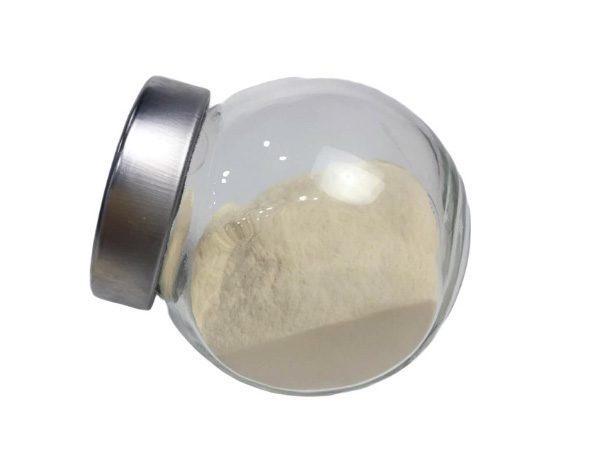
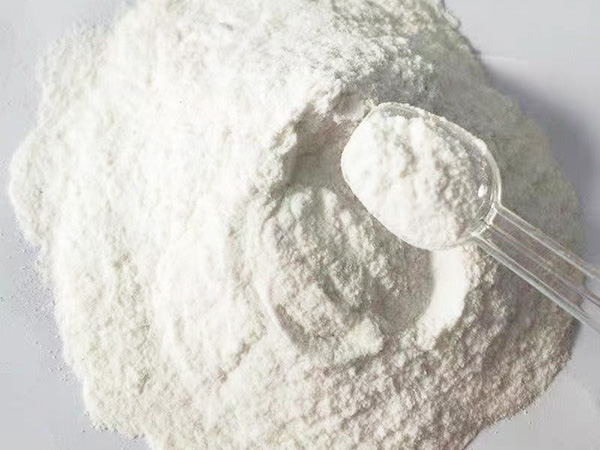
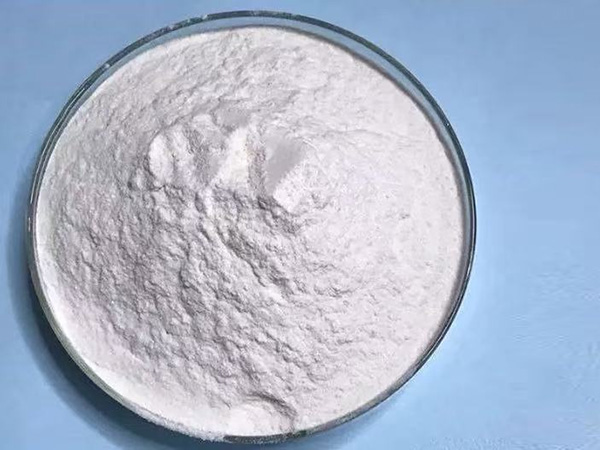
Both are polyacrylamides, but their charge sets them apart. APAM is a linear, anionic polymer whose chains carry negative charge; our anionic polyacrylamide page describes it as a high-molecular-weight flocculant with a molecular weight range of about 6 to 20 million and a hydrolysis degree of 10 to 40 percent, documented as conforming to GB, ISO, and API specifications and operating across a pH window of roughly 4 to 14. CPAM is a cationic polyelectrolyte described on our cationic polyacrylamide page as a high-charge-density, rapidly dissolving flocculant with a wider applicable pH range, higher charge stability, and a lower required dosage than many alternatives. The full polymer product list places both among the company's water and solids-control products, and the non-ionic polyacrylamide page covers the third, uncharged option.
The practical difference is charge: APAM bridges by size and anionic adsorption, while CPAM acts by cationic charge neutralization.
In practical terms both products are supplied as powders or emulsions, with the molecular weight and charge chosen to match the stream rather than by a single default grade. APAM is specified by molecular weight and hydrolysis degree, while CPAM is specified by cationic charge density and molecular weight, and both are documented to GB, ISO, and API references so plants can audit the material through its chain of custody. Because both act at parts-per-million levels, a small inventory treats a large volume of water, which keeps storage and handling modest at the site. The choice between them is therefore not about which is better in general, but which matches the particle charge of the specific stream being treated.
How Each Flocculates
Flocculation needs the particles to come together into separable flocs. APAM works mainly by polymer bridging: its long anionic chains adsorb onto fine inorganic particles and link them into large flocs, usually after a small inorganic coagulant has destabilized the water. CPAM works by charge neutralization and bridging: its positive charge cancels the negative surface charge of organic, biologically active solids and then bridges them, often at a lower dose because the charge match is direct. The two are not interchangeable — using APAM on an organic sludge or CPAM on a mineral slurry often underperforms and wastes chemical.
The synergy with coagulants matters for both: a primary coagulant first destabilizes, then the polyacrylamide does the bridging.
Why the Choice Matters
Wrong flocculant means poor clarification, high turbidity, wet sludge, and high chemical cost. Water plants handle a mix of streams — raw-water clarification, filter backwash, biological sludge, and industrial side streams — each with its own charge character. Picking APAM for a mineral-laden raw water and CPAM for an organic sludge is the standard starting point, but the optimum is stream-specific and shifts with season and load. Choosing well lowers dosage, improves effluent quality, and cuts sludge haul and disposal cost, which is why the selection is worth a proper test rather than a guess.
Charge selectivity also protects downstream equipment: cleaner water means less fouling and longer media life.
APAM vs CPAM: The Direct Comparison
The practical split for a plant engineer is:
- Charge — APAM is anionic, CPAM is cationic; the stream's particle charge decides the fit.
- Best stream — APAM suits inorganic clays, silts, and mineral slurries; CPAM suits organic, biologically active sludges.
- Dose — CPAM often acts at lower dose on organic solids because of direct charge match; APAM relies on high molecular weight for bridging.
- pH tolerance — both are broad, with CPAM noted for a wider applicable pH range and higher charge stability.
Neither is universally better; each is better on its class of solids, and many plants stock both plus a non-ionic option.
Where Each Fits: Case A vs Case B
Case A — raw-water and mineral slurry clarification. A river-water or mine-influenced stream with fine inorganic solids responds well to APAM at a few ppm after a coagulant, giving fast settling and clear overflow.
Case B — biological and municipal sludge dewatering. An organic, negatively charged sludge from a treatment process responds to CPAM, which neutralizes charge and bridges the flocs into a drier cake at low dose.
How to Specify the Right Flocculant
A precise inquiry lets a supplier recommend the product and grade. Include:
- Stream profile — source, solids type, organic or inorganic character, and target.
- Charge and MW — anionic hydrolysis or cationic degree and molecular-weight window if known.
- pH and temperature — operating range.
- Equipment — clarifier, float cell, belt press, or centrifuge.
- Target — turbidity, clarity, or cake solids.
- Packaging and volume — bag or emulsion, with estimated monthly usage.
Jar testing before selection. Never choose a flocculant on paper alone. Run bench jar tests on the actual process water or slurry across a charge and molecular-weight matrix, measure settle rate and supernatant clarity, and confirm the result at pilot scale. Record zeta potential, optimum dose, and the floc size you can tolerate through downstream filters or dewatering equipment.
Dosing discipline and logs. Prepare each candidate as a fresh dilute solution, dose with a calibrated pump, and keep the contact time and mixing energy constant between comparisons. Maintain a selection log that captures source water pH, temperature, turbidity, the polymer lot used, and the measured outcome; this turns a one-off trial into a repeatable specification. When the raw water shifts seasonally, re-run the abbreviated test rather than assuming last year's winner still fits, and keep a standing approval list with retest dates.
Storage, safety and scale-up. Prepared flocculant solutions degrade with time and heat, so make them fresh and use them within the validated hold window; never let an anionic and a cationic stock line cross-contaminate, or both can drop out. Handle powders with dust control and eye protection, and keep spills from reaching drains. When moving from jar test to plant, preserve contact time and mixing energy first and scale the dose from conserved momentum, not from a simple volume ratio. Reconfirm the chosen grade on the first full-scale run and lock the result into the standing specification with a retest date so seasonal raw-water changes are caught by a schedule, not by a failure.
Quick selection checklist. Before committing, confirm four things: the measured zeta potential and the charge you are matching, the molecular-weight class that gave the best floc without over-shear, the optimum dose from the jar test, and the downstream limit the treated water must meet. Write all four on the selection log with the raw-water conditions and the polymer lot. If any input changes materially, repeat at least the abbreviated test. A one-page checklist turns a good bench result into a field specification that the next operator can run without re-deriving the science.
Common Mistakes in Selection
- Using APAM on organic sludge — charge match is poor; CPAM usually performs better.
- Using CPAM on mineral water — anionic bridging often works better and cheaper.
- Overdosing — excess polymer re-stabilizes particles and worsens clarity or cake.
- Poor dissolution — undissolved granules do not act; use controlled, aged make-down.
- Ignoring shear — high-pressure transfer breaks flocs; dose after the last pump.
FAQ: Is APAM or CPAM better for my plant?
It follows the charge of your solids. APAM suits inorganic and mineral-laden streams, while CPAM suits organic, biologically active sludges. Most plants confirm the choice with a jar or slip test on the actual stream.
FAQ: Why is CPAM said to need a lower dose?
Its high cationic charge density gives direct charge neutralization, so a small amount bridges many particles. Lower dosage than many alternatives is part of why it is economical on organic sludges.
FAQ: Can I use both in one plant?
Yes, and many plants do. Raw-water clarification may use APAM while sludge dewatering uses CPAM, with a non-ionic product held for borderline streams. The split follows each stream's character.
FAQ: What pH range do they tolerate?
APAM is documented for roughly pH 4 to 14, and CPAM is noted for a wider applicable pH range and higher charge stability. The exact optimum still depends on coagulant and solids, so confirm by test.
Conclusion
APAM and CPAM are complementary polyacrylamide flocculants, not competitors in the abstract: APAM is the anionic, high-molecular-weight choice for inorganic and mineral solids, while CPAM is the cationic, charge-selective choice for organic, biologically active sludges, usually at a lower dose. The right plant stocks both and assigns each to the stream whose particle charge it matches, confirmed by jar or slip testing rather than assumption. Specify the charge, molecular weight, and form against a test on your actual water, dissolve the product correctly, and dose after mixing and before shear so clarification and dewatering perform at their best.
References
- U.S. Environmental Protection Agency — drinking water and wastewater resources: https://www.epa.gov/
- ASTM International — water and environmental testing standards: https://www.astm.org/
- International Organization for Standardization — environmental management standards: https://www.iso.org/
- PubChem — polyacrylamide compound data: https://pubchem.ncbi.nlm.nih.gov/