





Cationic Polyacrylamide Applications in Wastewater Treatment Industry
2026-04-29 11:36:03
In modern industrial wastewater treatment systems, efficiency, operational stability, and cost management are among the core concerns. Among the various chemical additives employed, cationic polyacrylamide (CPAM) has emerged as one of the most widely used and efficient flocculants. Its outstanding performance in solid-liquid separation processes makes it an indispensable component in both municipal and industrial wastewater treatment procedures. This article delves into what cationic polyacrylamide is, its working mechanism, and its main applications in the wastewater treatment industry.
What Is Cationic Polyacrylamide?
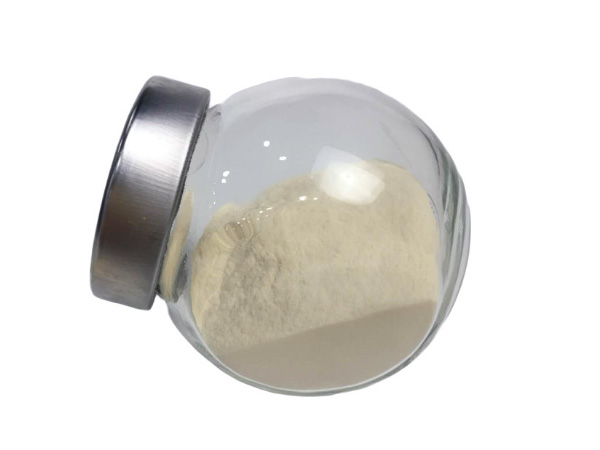
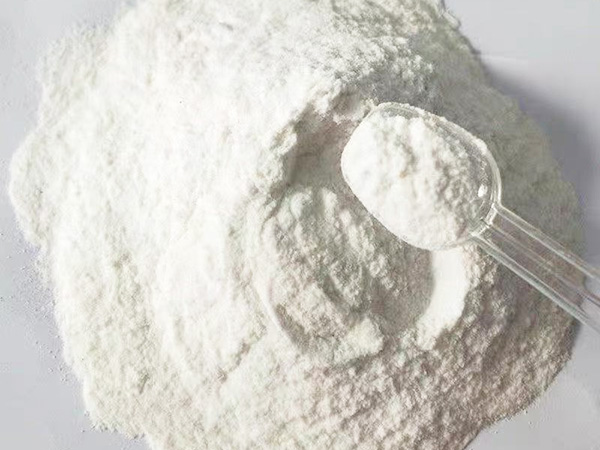
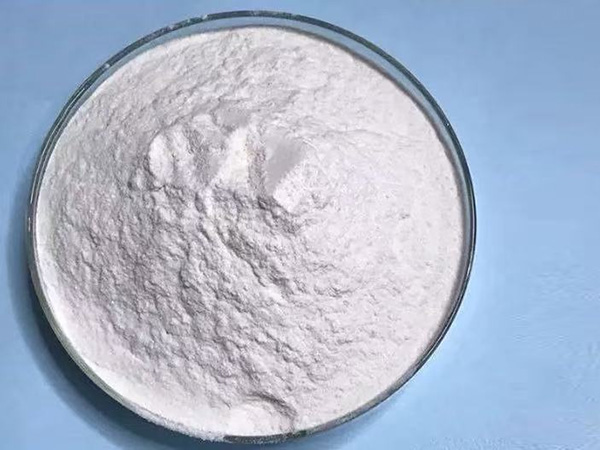
Cationic polyacrylamide, commonly abbreviated as CPAM, is a water-soluble polymer featuring positively charged functional groups. It is primarily utilized as a flocculant and sludge dewatering agent in wastewater treatment. Since the majority of suspended particles in wastewater carry a negative charge, CPAM exerts its effect by neutralizing these negative charges and binding the particles together to form larger flocs. These flocs can then be easily separated from water through sedimentation, flotation, or filtration methods. Key characteristics of CPAM include:
High molecular weight
Strong positive charge density
Excellent water solubility
Rapid floc formation
High efficiency even at low dosage
How Cationic Polyacrylamide Works in Wastewater Treatment
The working principle of CPAM is based on two key mechanisms: electrostatic attraction and polymer bridging.
Charge Neutralization
Wastewater typically contains negatively charged particles, such as organic matter, clay, and colloids. CPAM neutralizes these negative charges, thereby reducing the repulsive force between particles.
Floc Formation
The long polymer chains of CPAM connect multiple particles together, forming larger and denser flocs that are easier to separate.
Solid-Liquid Separation
The flocs formed settle more quickly or can be more easily removed through mechanical processes like filtration or centrifugation. This dual mechanism (charge neutralization and polymer bridging) significantly enhances clarification efficiency and shortens processing time.
Applications of Cationic Polyacrylamide in Wastewater Treatment Industry
1. Municipal Sewage Treatment
In municipal wastewater treatment plants, CPAM is widely used to treat domestic sewage that contains organic matter, suspended solids, and microorganisms. Its key benefits include:
Improved sludge sedimentation performance
Reduced turbidity in the treated water
Enhanced efficiency of primary and secondary clarifiers
It is particularly effective in activated sludge systems, where it helps improve the settling properties of sludge.
2. Industrial Wastewater Treatment
Industrial effluents often contain complex pollutants, including oils, dyes, heavy metals, and chemical residues. CPAM plays a crucial role in separating these contaminants from water. It is commonly applied in industries such as:
Textile manufacturing
Paper and pulp production
Petrochemical processing
Food and beverage processing
Mining and metallurgy
In these applications, CPAM boosts clarification efficiency and reduces the processing load on downstream treatment systems.
3. Sludge Dewatering
One of the most important applications of cationic polyacrylamide is in sludge dewatering. After the wastewater treatment process, a large amount of sludge is generated, which has a high water content. CPAM helps address this issue by:
Increasing the solid content of sludge
Improving filtration performance
Reducing sludge transportation and disposal costs
Enhancing the efficiency of mechanical dewatering equipment (such as belt presses, filter presses, and centrifuges)
This makes sludge handling more economical and environmentally friendly.
4. Oil-Water Separation
In industries like petroleum refining and offshore drilling, wastewater often contains emulsified oil. CPAM aids in breaking these emulsions and separating oil droplets from water by:
Destabilizing oil-water emulsions
Aggregating fine oil particles into larger clusters
Improving the efficiency of flotation and skimming processes
This results in cleaner effluent and better compliance with environmental discharge standards.
5. Drinking Water Pretreatment
Before water is treated to meet potable standards, CPAM can be used in the pretreatment stage to remove suspended solids and organic impurities. Its advantages in this application include:
Lower turbidity of water before filtration
Reduced chemical consumption in subsequent treatment stages
Improved overall stability of water quality
Advantages of Using Cationic Polyacrylamide
The widespread use of CPAM in wastewater treatment is driven by several key advantages:
High efficiency even at low dosage, reducing chemical costs
Fast flocculation and settling speed, improving treatment efficiency
Wide adaptability to different types of wastewater
Enhanced sludge dewatering performance, reducing disposal costs
Lower overall operating costs for wastewater treatment plants
Environmentally friendly when used in accordance with guidelines
Factors Affecting Performance
To achieve optimal treatment results with CPAM, several factors need to be considered:
Selection of appropriate molecular weight and charge density
pH level of the wastewater being treated
Dosage control (overdosing can lead to reduced treatment efficiency)
Mixing conditions and reaction time
Type and concentration of pollutants in the wastewater
Prior to full-scale application, proper testing (such as jar tests) is usually required to determine the optimal conditions.
References
GB/T 7714:Application of Cationic Polyacrylamide (CPAM) in Municipal Sewage Treatment[J]. Environmental Protection Technology
MLA:Sludge Dewatering Efficiency of CPAM in Municipal and Industrial Wastewater Treatment Plants[J]. Environmental Engineering
APA:Optimization of CPAM Dosage for Efficient Wastewater Treatment and Cost Control[J]. Journal of Environmental Engineering