





What Is Anionic Polyacrylamide Powder and How Does It Work?
2026-04-26 08:21:22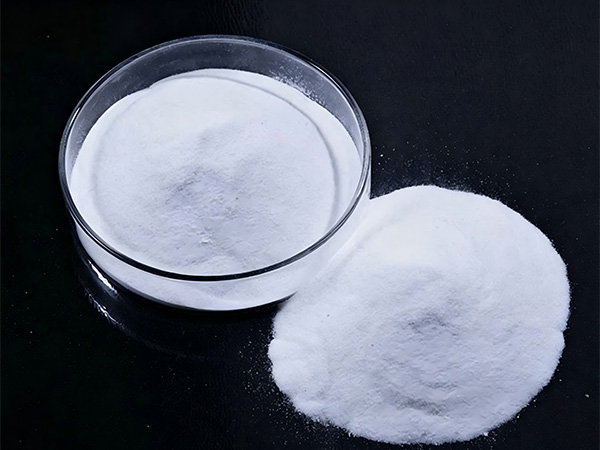
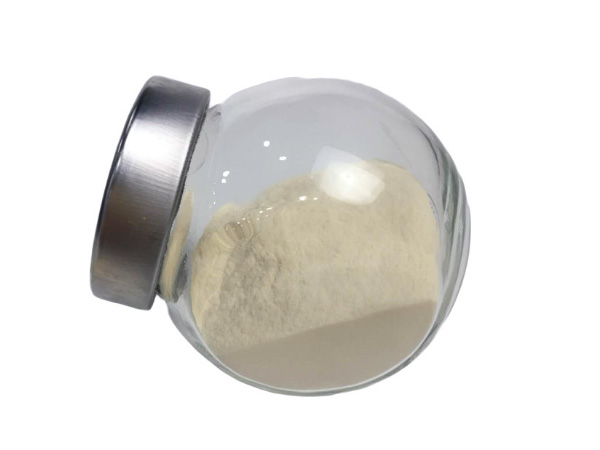
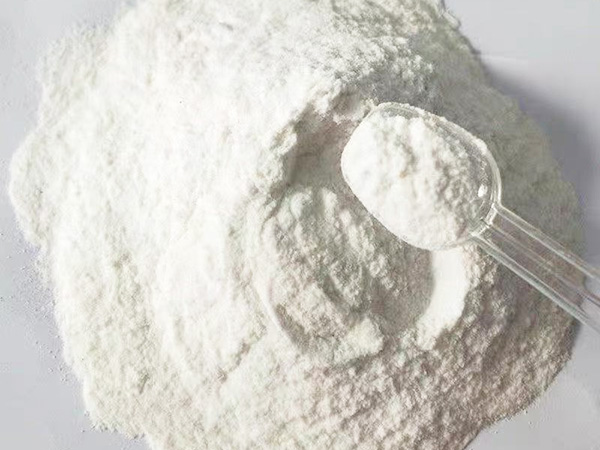
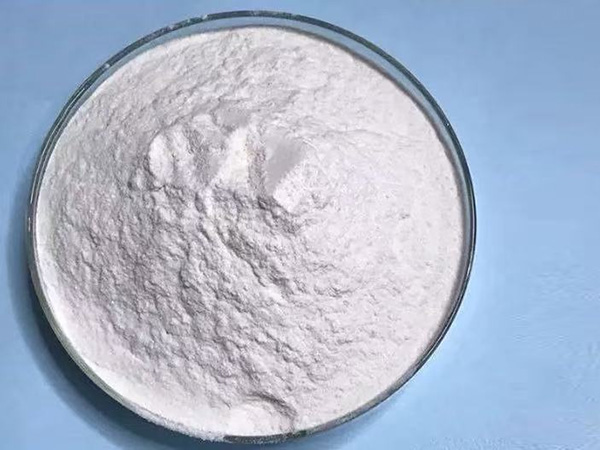
Anionic polyacrylamide powder, commonly referred to as APAM, is a water-soluble polymer extensively utilized in water treatment, mining, papermaking, and agricultural sectors. Renowned for its robust flocculation and sedimentation capabilities, it stands out as one of the most efficient chemical aids for solid-liquid separation processes. This article aims to elaborate on what anionic polyacrylamide powder is, its working mechanism, and the reasons behind its status as an indispensable material in numerous industrial applications.
What Is Anionic Polyacrylamide Powder?
Anionic polyacrylamide powder is a synthetic polymer produced from acrylamide monomers. Through polymerization and hydrolysis processes, it forms long-chain molecules equipped with negatively charged (anionic) functional groups. These negative charges enable the polymer to interact with positively charged particles present in water, such as suspended solids, organic substances, and metal ions. The outcome is the rapid aggregation of fine particles into larger flocs, which can be separated with ease. In simple terms, APAM functions as a “binding bridge” that connects tiny particles, facilitating their faster settlement or filtration.
Key Properties of Anionic Polyacrylamide
Anionic polyacrylamide powder boasts several crucial physical and chemical characteristics:
High molecular weight: Delivers strong adsorption and bridging capabilities
Water solubility: Dissolves easily in water to form a viscous solution
Anionic charge: Highly effective for treating positively charged suspended particles
High flocculation efficiency: Quickly forms large, stable flocs
Chemical stability: Performs well under various pH conditions
These properties make it adaptable to a broad range of industrial environments.
How Does Anionic Polyacrylamide Powder Work?
The working principle of anionic polyacrylamide primarily relies on flocculation and adsorption bridging, which involves the following steps:
1. Dispersion in Water
When APAM powder is added to water, it dissolves and forms long-chain polymer molecules that spread evenly throughout the solution.
2. Adsorption of Particles
The negatively charged polymer chains attract and adhere to positively charged suspended particles, such as clay, organic debris, or metal hydroxides.
3. Bridging Effect
Each polymer chain has the ability to connect multiple particles simultaneously. This creates a “bridge” between small particles, drawing them together to form larger clusters.
4. Floc Formation
As more particles are linked together, larger flocs (clusters) are formed. These flocs become dense enough to settle rapidly under gravity or be easily removed through filtration.
5. Solid-Liquid Separation
Eventually, the water becomes clearer as suspended solids are eliminated, thereby improving overall water quality and processing efficiency.
Main Applications of Anionic Polyacrylamide Powder
1. Wastewater Treatment
One of the most significant applications of APAM is in the treatment of industrial and municipal wastewater. It aids in removing suspended solids, organic matter, and impurities, enhancing water clarity and reducing pollution levels.
2. Mining Industry
In mining operations, anionic polyacrylamide is used for ore washing, tailings treatment, and mineral separation. It accelerates sedimentation speed and boosts recovery efficiency.
3. Paper Making Industry
APAM improves paper quality by enhancing fiber retention, minimizing raw material loss, and increasing the strength of the paper.
4. Oil and Gas Industry
It is employed in drilling fluid treatment and enhanced oil recovery, helping to improve extraction efficiency and lower operational costs.
5. Agriculture and Soil Improvement
In agriculture, APAM helps reduce soil erosion, improve water retention capacity, and enhance soil structure.
Advantages of Using Anionic Polyacrylamide
Utilizing anionic polyacrylamide powder offers several benefits:
Speeds up sedimentation process
Reduces sludge volume
Enhances filtration efficiency
Requires low dosage while delivering high performance
Cost-effective solution for large-scale applications
Environmentally friendly when used properly
These advantages have made it the preferred chemical in many industries across the globe.
How to Use Anionic Polyacrylamide Powder Correctly
To achieve optimal performance, proper usage of APAM is crucial:
Dissolution: Slowly add APAM powder into clean water while stirring continuously
Mixing time: Stir for 30–60 minutes until the powder is fully dissolved
Dosage control: Adjust the dosage based on the quality of the water being treated
Application point: Add the dissolved APAM at the appropriate stage of wastewater or slurry treatment
Avoid overuse: Excessive dosage may decrease flocculation efficiency
Proper handling ensures maximum efficiency and cost savings.
Safety and Storage Guidelines
Although anionic polyacrylamide is generally safe, proper handling and storage are necessary:
Store in a dry, cool area away from moisture
Avoid inhaling the powder dust
Wear gloves when handling large quantities
Keep away from strong oxidizing agents
Seal the packaging tightly after use to prevent clumping
Following these guidelines helps maintain the product’s quality and ensures safety during handling.
Conclusion
Anionic polyacrylamide powder is a highly effective chemical flocculant widely used in water treatment and various industrial processes. Its ability to bind fine particles and enhance solid-liquid separation makes it an essential component in modern environmental and industrial applications. By understanding its working principle and applying it correctly, industries can significantly improve operational efficiency, reduce costs, and achieve better environmental performance. If you are seeking a reliable solution for wastewater treatment or industrial separation processes, anionic polyacrylamide powder is one of the most efficient options available today.
References
GB/T 7714:Synthesis and Property Evaluation of High-Molecular-Weight Anionic Polyacrylamide Powder[J]. Polymer Science Journal
MLA:Safety and Environmental Impact of Anionic Polyacrylamide (APAM) in Large-Scale Applications[J]. Environmental Science and Pollution Research
APA:Flocculation Mechanism and Performance Optimization of Anionic Polyacrylamide Powder[J]. Journal of Chemical Flocculants