





CMC as a Thickener in Detergents and Cleaning
2026-11-11 07:04:11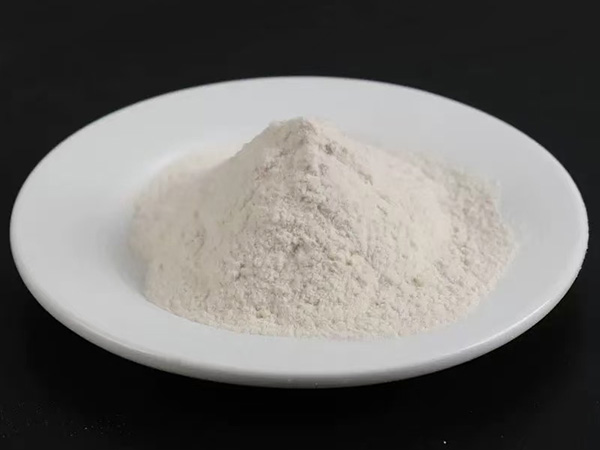
What Is CMC in Detergents?
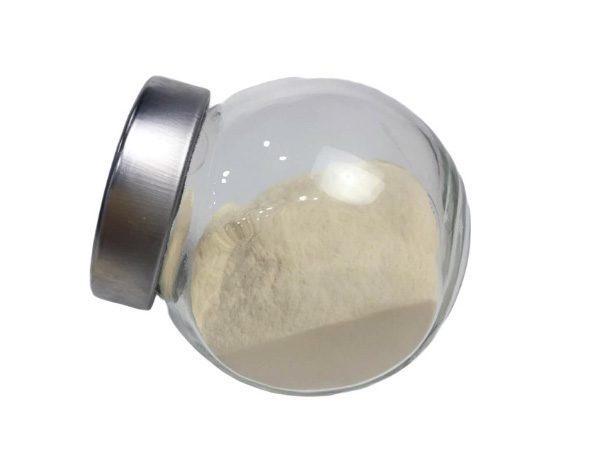
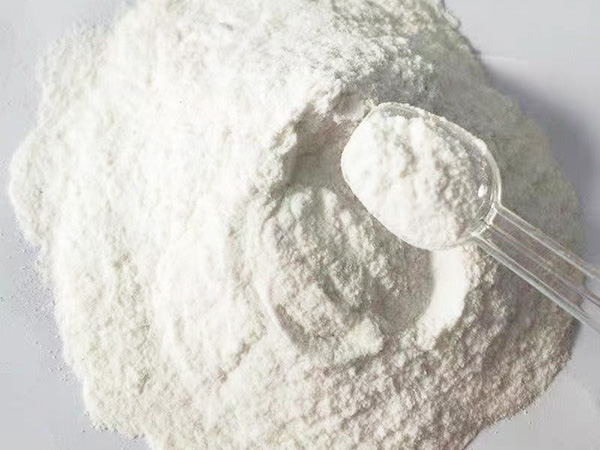
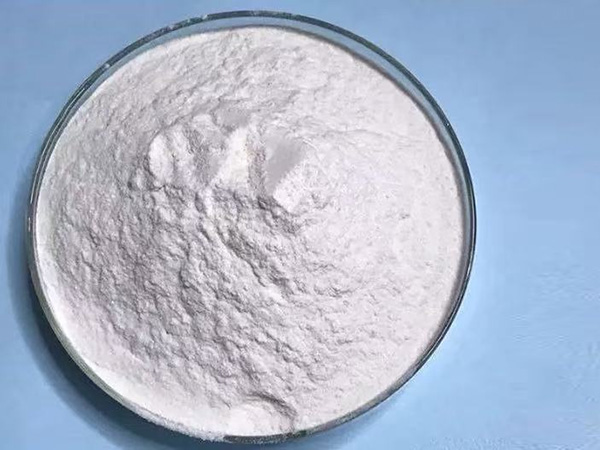
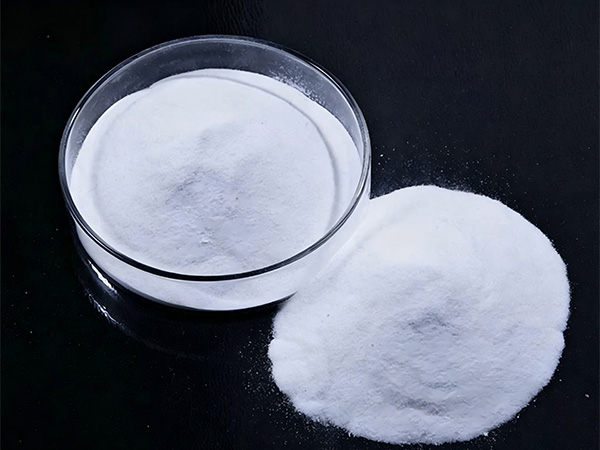
CMC is a cellulose derivative made by etherifying cellulose with chloroacetic acid to introduce carboxymethyl groups, giving it water solubility and a useful anionic character. The product page for our carboxymethyl cellulose describes it as a polymer used for stable high viscosity, salt and corrosion resistance, and suspension, properties that translate directly into detergent function. In a cleaning formula it is added at a low percentage to build viscosity, stabilize suspended particles such as abrasive or optical brightener, and improve the feel and pourability of the product. The full polymer product list places CMC among the company's cellulose-based additives.
From a formulation standpoint CMC is valued because it is a clear, non-greasy thickener that does not cloud the product or leave an oily film, which matters for both appearance and rinse behavior.
How CMC Thickens and Stabilizes
CMC thickens by building a polymer network in the aqueous phase: dissolved chains entangle and hold water, raising the low-shear viscosity so the formula stays where it is applied rather than running off. At the same time it stabilizes suspended solids, keeping abrasive, pigment, or active particles from settling in the bottle. A second, well-known role is anti-redeposition: CMC carries a negative charge that keeps soil particles suspended in the wash liquor so they do not redeposit onto fabric or hard surfaces after being lifted. That combination of thickening, suspension, and soil control is why CMC appears in both laundry and dish care products.
Because CMC tolerates salt and mild alkali, it keeps working in the electrolyte-rich environment of a detergent, where some natural gums would thin out or precipitate.
Why Cleaning Products Need CMC
A cleaner that is too thin runs off vertical surfaces before it acts, separates on the shelf, and applies unevenly. A cleaner that is too thick is hard to pour and rinse. CMC lets the formulator hit a target viscosity that clings, spreads, and rinses cleanly, while its suspension action keeps the product uniform from the first use to the last. Its anti-redeposition effect also improves the perceived cleaning result, because surfaces stay cleaner after the soil is lifted. For industrial and institutional cleaners, the same stabilization supports suspended actives such as enzymes, fragrances, and pigments.
CMC also supports cleaner labels: it is a cellulose-derived ingredient that can replace some synthetic rheology modifiers, which fits reformulation trends toward renewable feedstocks.
The operational upside is consistency on the shelf and at the sink. A formula with the right CMC grade stays uniform from the first fill to the last, so the customer gets the same pour, spread, and rinse every time, and the brand avoids the returns and complaints that come with separated or thin product. For institutional users, stable viscosity also means predictable dosing through pumps and dispensers, which matters when the cleaner is metered automatically. And because CMC helps keep soil in suspension, the washed surface stays cleaner after the soil is lifted, which is the result the user actually judges the product on. Those are the reasons CMC is specified as a functional ingredient rather than an inexpensive filler.
CMC vs Other Thickeners
Several rheology modifiers compete with CMC; the choice follows the formula. The practical comparison is:
- CMC — clear, salt- and alkali-tolerant, gives suspension plus anti-redeposition; standard in many detergents.
- Xanthan — stronger suspending power and shear thinning, often at lower dose, but more expensive. See the xanthan gum page.
- Cellulose gum variants — different viscosity grades tune cost and feel.
- Synthetic associative thickeners — strong in specific surfactant systems but less universal across salt loads.
Many formulas blend CMC with another modifier to balance cost, clarity, and performance rather than relying on one.
Where CMC Fits: Case A vs Case B
Case A — liquid laundry detergent. A mid-viscosity CMC grade builds body, suspends brightener and enzyme, and reduces redeposition so clothes come out cleaner, with stable viscosity across the salt and pH of the formula.
Case B — acidic or high-electrolyte cleaner. Here grade selection matters; a salt-tolerant CMC or a blend with PAC chemistry may be needed to avoid thinning, and the grade is chosen by jar test on the actual formula.
How to Specify CMC for Detergents
A precise inquiry lets a supplier match the viscosity grade. When requesting CMC for cleaning products, include:
- Product type — laundry, dish, hard-surface, or industrial cleaner.
- Target viscosity — Brookfield or similar value at the use concentration.
- Formula conditions — pH, salt level, surfactant type, and temperature.
- Appearance — clarity and color requirements.
- Grade — viscosity grade and mesh if specified.
- Packaging and volume — bag size and estimated monthly usage.
Dissolution and viscosity build. Disperse CMC in the surfactant phase while stirring; pre-slurrying in a little glycerin or warm water helps prevent clumping and gives a smoother final viscosity. Add CMC after the main surfactants are in solution and avoid very high local pH or strong electrolytes early in the mix, which can salt out the polymer and reduce thickening efficiency.
Stability, preservation and batch records. CMC solutions are susceptible to microbial attack, so include a suitable preservative system and store bulk liquid at a controlled temperature. Check viscosity and pH at the end of each batch, and keep a formula card linking batch number, CMC grade and supplier lot, preservative level, and the measured Brookfield viscosity. This record lets you hold foam, feel, and stability consistent across campaigns and quickly trace any change in product texture back to the thickener grade or dosage.
Cost, compatibility and compliance. Over-thickening wastes CMC and makes rinse-off harder, so tune to the target viscosity rather than a maximum. Check compatibility with enzymes, oxidizers and perfume in the full formula, and pick a preservative that survives the pH and the wash cycle. Where the market requires it, keep the food- or cosmetic-grade status and the E-number declaration accurate on the label, and document the thickener's role in the formula so regulatory review is straightforward. A small, controlled viscosity margin around the spec protects feel and stability without pushing raw-material cost up for no consumer benefit.
Specification handoff to production. Freeze the working target as a small viscosity window, a pH range, and the preservative level, then hand production a formula card that lists the CMC grade, supplier lot, and the approved substitution. Reissue the card whenever the surfactant base or regulatory claim changes. Keep a retained sample of each batch for a short claim period so a complaint can be traced quickly. This handoff discipline is what keeps the same product feeling identical across seasons, factories, and staff changes without endless rework loops.
Common Mistakes in Formulation
- Adding CMC to hot or concentrated surfactant — can lump; pre-slurry in water first.
- Wrong viscosity grade — too high clouds or gels, too low gives no body.
- Ignoring salt load — high electrolyte thins some grades; match tolerance.
- Overdosing — excess thickener hurts pourability and rinse.
- Skipping stability test — viscosity can drift with pH and time; verify on aged sample.
FAQ: Is CMC safe in cleaning products?
CMC is a cellulose-derived polymer long used in detergents and many household products. Buyers should confirm the grade and any food- or skin-contact documentation their market requires; for cleaning products the relevant checks are formula compatibility and local compliance.
FAQ: What does CMC do beyond thickening?
Besides building viscosity, CMC suspends particles so the product stays uniform and acts as an anti-redeposition agent that helps lifted soil stay in the wash liquor rather than settling back on surfaces.
FAQ: How much CMC is used in a detergent?
Use levels are typically low, often in the range of fractions of a percent to a few percent by weight, tuned to the target viscosity and the other thickeners in the formula.
FAQ: Does CMC work in salty or alkaline cleaners?
Yes. CMC is noted for salt and corrosion resistance and stable high viscosity, which is why it is chosen for electrolyte-rich detergent systems where some natural gums would thin out.
Conclusion
CMC is a practical, clear, salt-tolerant thickener and stabilizer for liquid detergents and cleaning products, delivering the viscosity that makes a cleaner cling and spread while also suspending actives and reducing soil redeposition. It competes with xanthan and synthetic modifiers but remains a standard choice for its balance of performance, clarity, and cost, and it supports cleaner-label reformulation from renewable cellulose. Specify the viscosity grade against your formula's pH, salt, and surfactant conditions, pre-slurry it for clean dissolution, and verify stability on an aged sample to keep the product uniform through its shelf life.
References
- ASTM International — cleaning-product and material testing standards: https://www.astm.org/
- U.S. Environmental Protection Agency — safer cleaning and chemical resources: https://www.epa.gov/
- International Organization for Standardization — quality and management standards: https://www.iso.org/
- PubChem — carboxymethyl cellulose compound data: https://pubchem.ncbi.nlm.nih.gov/