





CMC for Drilling Fluid Filtration Control
2026-11-14 11:34:19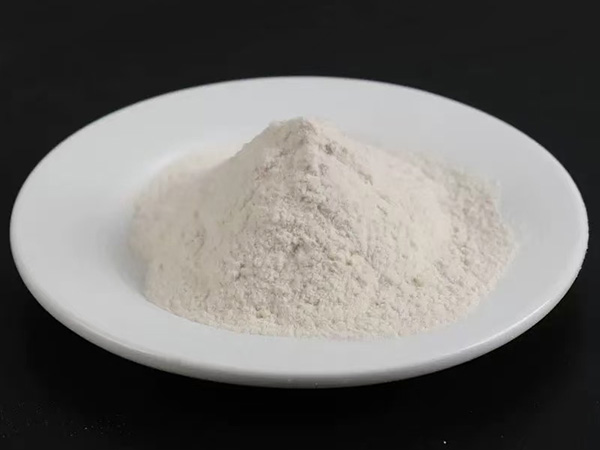
What Is CMC in a Drilling Fluid?
CMC is a water-soluble cellulose ether made by reacting cellulose with chloroacetic acid under alkaline conditions. In a drilling mud it dissolves to give a polymer solution whose long chains adsorb onto cuttings and onto the forming filter cake, bridging pores and slowing the rate at which the aqueous phase is squeezed out under differential pressure. The product page for our carboxymethyl cellulose describes its role in forming a stable mud suspension system and reducing filtration loss. Because it is an anionic, high-molecular-weight material, a modest concentration already changes the cake structure, which is why it is normally dosed in the low single-digit percent range in freshwater systems.
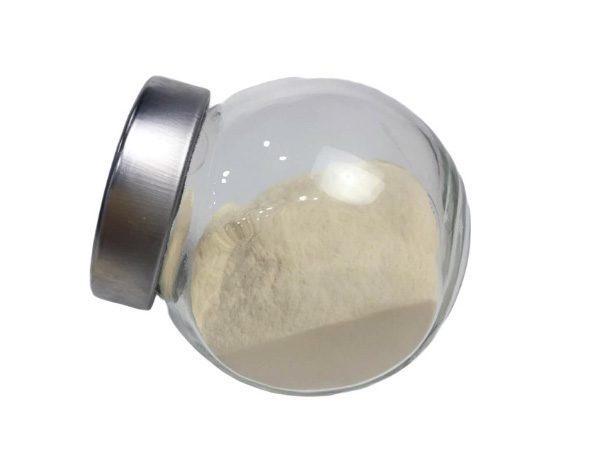
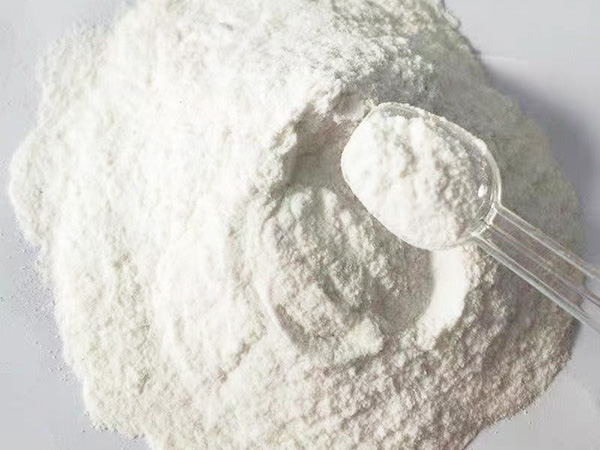
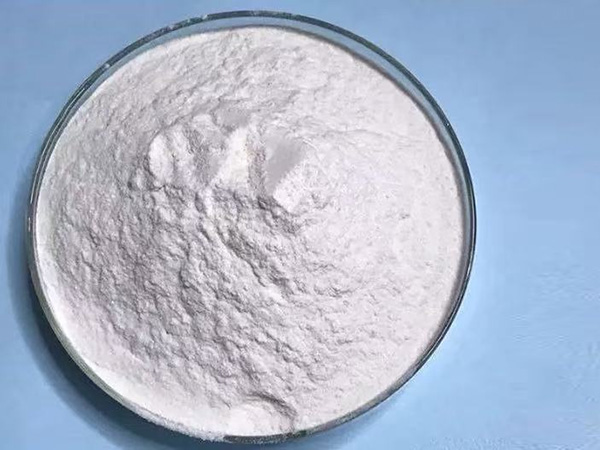
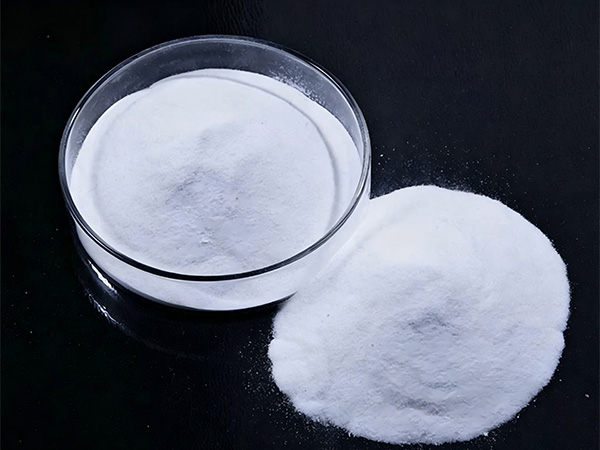
In practical terms CMC is supplied as a free-flowing powder in high, medium, and low viscosity grades, and it is selected by the mud engineer against the target plastic viscosity and filtration rate rather than by a single universal specification. Quality is judged on degree of substitution, purity, and solution clarity, and supply is normally documented to the operator's purchase specification so batch-to-batch performance stays predictable at the rig. Because it disperses in fresh water without the pre-gel tendency of some natural polymers, it is straightforward to make down through a jet mixer or in a pre-slurry tank, which helps avoid the fisheye problem that wastes product and slows the operation. The product also sits well alongside bentonite and PAC in a balanced program, so the engineer can split the filtration and viscosity duties between additives instead of overloading one.
From a logistics standpoint CMC is a stable, free-flowing powder that is easy to store and handle at the rig, and it disperses in fresh water without the pre-gel issues seen with some natural polymers. The full polymer additive range shows where CMC sits alongside PAC and the polyacrylamide products in a typical mud program.
How CMC Controls Filtration
Filtration control rests on two coupled mechanisms. First, dissolved CMC raises the viscosity of the mud filtrate, so water cannot be squeezed out of the annulus as quickly under overbalance pressure. Second, the polymer chains interlock with bentonite and drilled solids to build a dense, compressible cake with very low spurt loss. The combined effect is a lower API filter-press reading and, in the field, less invasion of the productive zone and a cleaner borehole. Operators usually pair CMC with a viscosifier so that both cake quality and annular carrying capacity are addressed at the same time.
The cake itself is the real product of the additive: a tight, slick cake reduces torque and drag, limits differential sticking, and protects weak formations from washing out. When the cake is right, the drilling fluid loses less whole mud to the rock and the solids-control equipment has less to remove, which lowers dilution and disposal cost over the section.
Why Drilling Muds Need Filtration Control
Uncontrolled filtrate invasion causes several expensive problems. Water entering a shale or clay-rich formation can hydrate and swell the rock, leading to borehole instability, tight holes, and stuck pipe. In a producing zone, deep filtrate invasion damages permeability and can cut later production. A good filtration-control package keeps the filtrate shallow and the cake thin, so the well stays stable and the reservoir stays clean. CMC is a first-line tool for this because it is economical and effective in the freshwater and low-salinity systems where most shallow and intermediate sections are drilled.
Filtration control also interacts with rate of penetration. A stable wall means fewer wiper trips, fewer remedial squeezes, and more consistent weight transfer to the bit. For that reason the filtration target is set jointly by the drilling and the completion teams rather than by the mud engineer alone.
CMC vs PAC for Fluid Loss
Both products reduce fluid loss, but they are not interchangeable in every mud. CMC is the economical choice in freshwater and low-salinity systems, while PAC is engineered for higher salt and temperature tolerance. The practical split is summarized below.
- CMC — lower cost, strong performance in freshwater, moderate salt tolerance, effective to roughly 120 to 150 degrees Celsius.
- PAC — higher salt and temperature tolerance, stable in seawater and saturated brine, preferred for HTHP sections. See the PAC product page.
- CMC — HV grade also thickens the mud, useful when both viscosity and filtration control are needed.
- PAC — lower viscosity contribution at equal filtration control, easier to tune in high-solids muds.
Many programs use both: CMC as the workhorse in the upper section and PAC as the primary controller where brine or heat would defeat CMC. The choice is driven by the salinity and bottom-hole temperature curve of the well, not by brand preference.
Where CMC Fits: Case A vs Case B
Case A — shallow freshwater section with lost-circulation risk. A 6 to 8 percent bentonite mud treated with 0.3 to 0.6 percent LV-CMC gives a tight cake and an API filtration below 10 mL while keeping plastic viscosity low enough for fast drilling. The anionic polyacrylamide chemistry used elsewhere in the line shares the same adsorption logic for suspension.
Case B — deep saline or HTHP section. CMC alone would thin out and lose control, so the program shifts to PAC with only a small CMC top-up for viscosity. Here CMC is a supporting additive rather than the primary filtration controller, and doses are tracked against HTHP filter-press readings rather than the room-temperature API test alone.
How to Specify CMC in an Inquiry
A clear inquiry helps a supplier match the grade and avoid wasted sampling. When requesting CMC, include:
- Mud type and salinity — fresh water, seawater, or saturated brine, with the expected salt range.
- Filtration target — required API and, where relevant, HTHP filter-press values.
- Rheology window — plastic viscosity and yield-point limits so the grade can be chosen.
- Temperature — planned bottom-hole temperature and section depth.
- Packaging and volume — 25 kg bag, jumbo bag, or bulk, with estimated monthly or per-well volume.
- Certification — any GB, ISO, or API references your audit trail requires.
On the rig, CMC is handled like other dry polymer additives: keep the powder dry, rotate stock by lot, and make it down through a jet mixer or a pre-slurry tank rather than dumping it into the pit, because poor hydration mimics a low dose and wastes product. A practical daily loop of mud weight, funnel viscosity, and API filtration, with HTHP testing added on hot wells, catches drift before it becomes a real problem. When performance slips, confirm the grade and the make-down first, then check for calcium contamination, since both defeat CMC locally. Logging each addition against depth and target keeps the program reproducible across rigs and crews, which turns a good mud design into a repeatable one instead of a one-off success. For supply, because the grade is chosen against the operator's freshwater specification, it is worth qualifying the lot from the certificate and auditing it through delivery so a non-conforming batch never reaches the active system. Treating CMC as a documented, logged, and tested additive, not just a bulk powder, is what keeps the cake tight from surface to total depth and avoids the surprise of a filtration spike in the section that matters most. The same discipline applies when CMC is blended with PAC in a transition section: record the ratio, watch the filtration at the change point, and keep the make-down separate so the two powders do not cross-contaminate in storage. Operators who treat the polymer cabinet like a controlled store rather than a supply closet get more consistent mud and fewer surprises, and the small effort of logging and testing pays back the first time a blended section holds its filtration without a mid-section pill.
Common Mistakes in Field Use
- Dry dumping into fast agitation — this makes fish-eyes and wastes product instead of dissolving it evenly.
- Assuming CMC holds in saturated brine like PAC — then filtration climbs with depth and the cake degrades.
- Ignoring calcium contamination — divalent ions compete for adsorption sites and cut CMC efficiency.
- Tuning only API filtration — in hot wells the API and HTHP readings diverge, so HTHP must be tracked too.
- Overdosing HV grade — excess viscosity raises equivalent circulating density and hurts hydraulics.
FAQ: What concentration of CMC is typical in a drilling fluid?
In freshwater bentonite systems, LV-CMC is commonly added at 0.2 to 0.8 percent by weight of mud, adjusted against filter-press results. HV grades are used lower, often 0.1 to 0.4 percent, because they also thicken the fluid.
FAQ: Can CMC replace PAC entirely?
Not in high-salinity or high-temperature wells. CMC is the economical choice for freshwater and low-salinity muds, while PAC is specified where salt tolerance and thermal stability are required. Many programs use both in defined ratios.
FAQ: How should CMC be mixed to avoid lumps?
Pre-slurry CMC in a side tank with good agitation, or add it through a jet mixer into turbulent flow, rather than dumping dry powder onto a still pit. Good wetting avoids the fisheye problem and improves yield.
FAQ: Is CMC resistant to bacteria in the mud?
CMC itself is not a preferred food source for most mud bacteria, and product literature notes it is rarely affected by mold, which reduces the need for high pH or preservatives compared with starch-based additives.
Conclusion
CMC remains a cost-effective first choice for filtration control in freshwater and low-salinity drilling fluids, delivering a tight mud cake, lower fluid loss, and steadier rheology at a modest dose. It is not a universal substitute for PAC in brine or HTHP wells, so the practical program is to use CMC where it is strongest and reserve PAC for the harsh sections. Specify the grade against your filtration target and temperature, mix it correctly, and track both API and HTHP press to keep the cake where you want it.
References
- American Petroleum Institute — drilling and completion standards: https://www.api.org/
- Society of Petroleum Engineers — technical resources on drilling fluids: https://www.spe.org/
- International Organization for Standardization — quality and testing standards: https://www.iso.org/
- PubChem — carboxymethyl cellulose compound data: https://pubchem.ncbi.nlm.nih.gov/