





CMC in Pharmaceutical and Cosmetic Formulations
2026-11-18 08:07:11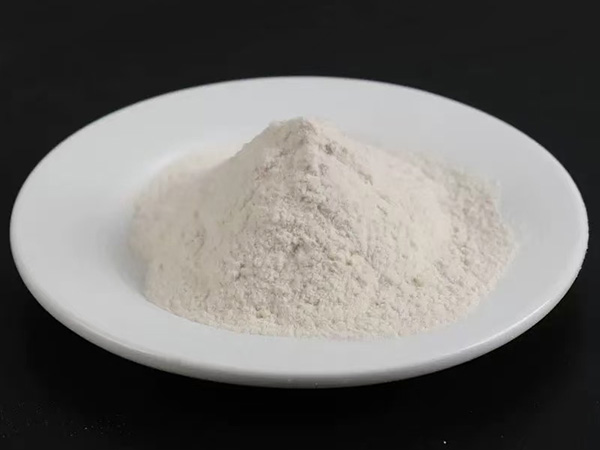
What Is CMC in Pharma and Cosmetics?
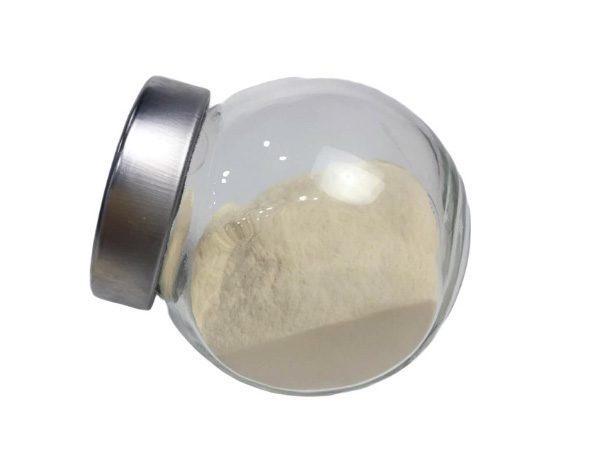
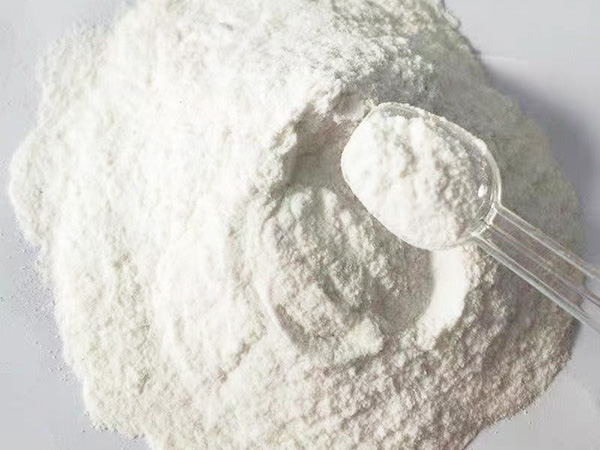
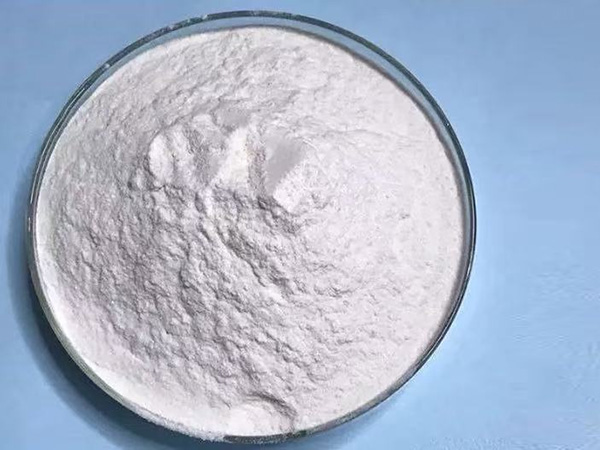
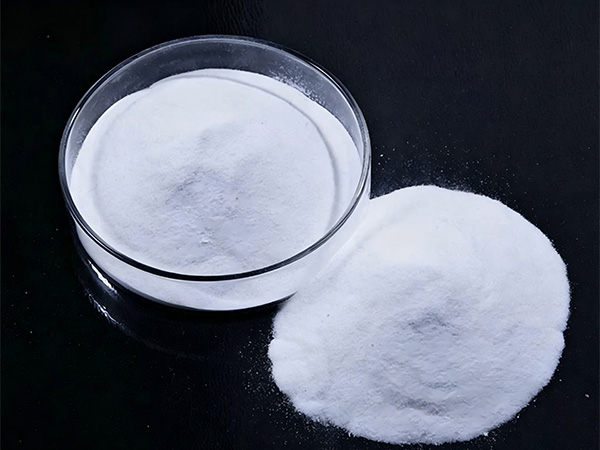
CMC is a cellulose ether made by introducing carboxymethyl groups onto cellulose, giving it water solubility and a useful anionic character. The product page for our carboxymethyl cellulose describes it as a polymer used for stable high viscosity, salt and corrosion resistance, and suspension, and notes that it is rarely affected by mold, reducing the need for high pH or preservatives. In pharmaceutical and cosmetic systems those same properties become thickening, binding, and stabilization, while the clear, non-greasy solution avoids the cloudiness or oily feel of some alternatives. The full polymer product list places CMC among the company's cellulose-based additives.
For regulated markets the relevant distinction is grade: material intended for drug or personal-care use must be specified and documented to the applicable monograph and purity requirements, which the buyer confirms with the supplier.
How CMC Functions in Formulations
CMC works through several overlapping roles. As a thickener it builds a polymer network that raises viscosity and gives creams, gels, and liquid preparations their body and spreadability. As a binder in wet-granulation tablet making it holds powder together so tablets compress uniformly and disintegrate predictably. As a suspending agent it keeps insoluble actives or pigments evenly distributed in a liquid rather than settling. In topical products it stabilizes emulsions and improves feel, and as a film-former it can support coatings and gels. The grade — viscosity and degree of substitution — is chosen to match the target texture and process.
Because CMC tolerates a broad pH range and is resistant to microbial attack compared with starch-based thickeners, it reduces the preservative burden in many formulations.
Why Pharma and Cosmetics Need CMC
These formulations demand reproducibility: a suspension must stay uniform, a cream must hold its phase, and a tablet must behave the same from batch to batch. CMC delivers that consistency at a low use level and from a renewable cellulose feedstock, which supports clean-label and naturally derived positioning. Its clarity and lack of odor or grease make it suitable for products that contact skin and mucosa, while its binding and disintegration behavior make it a workhorse in solid dosage forms. The related xanthan gum product serves similar stabilization roles in some systems, giving formulators a choice.
Stability also means longer shelf life and fewer phase-separation complaints, which lowers returns and rework.
The commercial logic is consistency and risk control. A suspension that stays uniform, a cream that holds its phase, and a tablet that behaves the same from batch to batch protect the brand and reduce complaint handling and recalls. CMC's broad pH tolerance and resistance to microbial attack also lower the preservative burden, which supports cleaner formulation and fewer stability-related reformulations. For contract manufacturers, a well-documented grade simplifies audit and change-control, because the specification is clear and the supply can be qualified once and reused. Those are the reasons CMC is treated as a qualified functional ingredient in regulated product lines rather than a commodity thickener.
CMC vs Other Cellulose Derivatives
Several cellulose products compete with CMC; the choice follows the function. The practical comparison is:
- CMC — water-soluble thickener, binder, and suspending agent with broad pH tolerance and good microbial stability.
- HPMC — hydroxypropyl methyl cellulose, common capsule and sustained-release matrix, different substitution chemistry.
- Microcrystalline cellulose — a direct compression excipient and binder, insoluble, used differently from soluble CMC.
- PAC — polyanionic cellulose for industrial fluids; see the PAC page for that role, not for pharma.
The right cellulose derivative depends on whether the need is soluble thickening, binding, or a controlled-release matrix.
Where CMC Fits: Case A vs Case B
Case A — liquid suspension or topical gel. A mid-viscosity CMC grade gives uniform suspension of actives or pigments and a smooth, spreadable texture, with stability across the product's pH and shelf life.
Case B — tablet wet granulation. A lower-viscosity CMC grade acts as a binder that improves granule strength and tablet compaction while supporting controlled disintegration, with the exact grade chosen by trial against the compression profile.
How to Specify CMC for Pharma or Cosmetics
A precise inquiry lets a supplier match grade and documentation. When requesting CMC for these uses, include:
- Application — tablet binder, suspension, cream, gel, or paste.
- Grade — viscosity grade and degree of substitution, if specified.
- Certification — pharmacopeia monograph, purity, or cosmetic-grade documentation required.
- pH and compatibility — the pH range and co-ingredients of the formula.
- Appearance — clarity and color requirements.
- Packaging and volume — bag size and estimated batch or monthly usage.
Grade control and GMP storage. Use only pharma- or cosmetic-grade CMC with the right viscosity specification and documented purity. Store the powder in a dry, low-humidity area away from strong oxidizers and odors it could absorb, and rotate stock by lot. Before use, verify the certificate of analysis for viscosity, substitution degree, heavy metals, and microbial limits.
Dissolution, microbial control and release. Disperse CMC slowly into purified water under controlled agitation and allow full hydration before the next ingredients are added. Keep the working solution covered and within its validated hold time, and sample for total aerobic count and pathogens per the monograph. Record each batch's make-up water, CMC lot, dissolution time, final viscosity, and QC release sign-off so every finished product can be traced to its thickener lot and specification, supporting both GMP audit readiness and complaint investigation.
Supplier qualification and change control. Qualify each CMC supplier against an approved vendor list with documented audit and starting-material controls, and treat any grade or source change as a formal change-control event rather than a silent substitution. Establish retest or expiry dating from stability data, and when switching grades run a bridging study that confirms viscosity, dissolution and microbial behavior are unchanged. Keep cleaning validation in mind if the same equipment serves multiple products, and archive the certificate of analysis with the batch record. This discipline is what turns a commodity thickener into a defensible, auditable pharmaceutical or cosmetic raw material.
Release checklist. Before any batch is released, confirm the certificate of analysis against the specification, verify viscosity and dissolution within method limits, and check microbial results against the monograph. Sign off the batch record only after the CMC lot, make-up water, and hydration time are all documented and within range. Hold the retained sample for the defined period. A short, signed checklist at release is the simplest defense against a subtle thickener change reaching a patient or a consumer, and it makes audits a folder lookup rather than a reconstruction.
Common Mistakes in Formulation
- Wrong viscosity grade — too high clouds or gels, too low gives no body.
- Adding to hot or concentrated active — can lump; pre-slurry in water first.
- Ignoring pH — viscosity varies with pH; verify across the formula range.
- Overdosing — excess thickener hurts spreadability, pourability, or disintegration.
- Skipping stability testing — viscosity and phase behavior can drift; verify on aged samples.
FAQ: Is CMC suitable for pharmaceutical use?
CMC is a well-established excipient used as a thickener, binder, and suspending agent in many pharmaceutical forms. Material intended for drug use must be specified and documented to the applicable pharmacopeia monograph and purity requirements, which the buyer confirms with the supplier.
FAQ: What does CMC do in cosmetics?
In cosmetics CMC thickens, stabilizes emulsions, suspends pigments, and improves the feel and spreadability of creams and gels, while its broad pH tolerance and resistance to microbial attack reduce preservative needs.
FAQ: How much CMC is typically used?
Use levels are usually low, often fractions of a percent to a few percent by weight depending on the target viscosity and the other thickeners in the formula, tuned by trial.
FAQ: Does CMC differ from PAC?
Yes. CMC is a soluble cellulose thickener used in food, pharma, cosmetics, and detergents, while PAC, or polyanionic cellulose, is an industrial fluid-loss-control additive for drilling fluids and is not a substitute in personal-care formulations.
Conclusion
CMC is a versatile cellulose-derived polymer that thickens, binds, suspends, and stabilizes pharmaceutical and cosmetic formulations from a renewable feedstock, giving consistent rheology, broad pH tolerance, and good microbial stability at a low use level. It competes with other cellulose derivatives depending on whether the need is soluble thickening, tablet binding, or controlled release, and it supports clean-label and naturally derived positioning. Specify the viscosity grade and the applicable certification clearly, pre-slurry it for clean dissolution, and verify stability on aged samples so the product performs consistently through its shelf life.
References
- U.S. Pharmacopeia — excipient and quality standards: https://www.usp.org/
- U.S. Food and Drug Administration — drug and cosmetic regulation: https://www.fda.gov/drugs
- International Organization for Standardization — quality and management standards: https://www.iso.org/
- PubChem — carboxymethyl cellulose compound data: https://pubchem.ncbi.nlm.nih.gov/