





CMC for Textile Printing Thickener
2026-11-21 08:08:54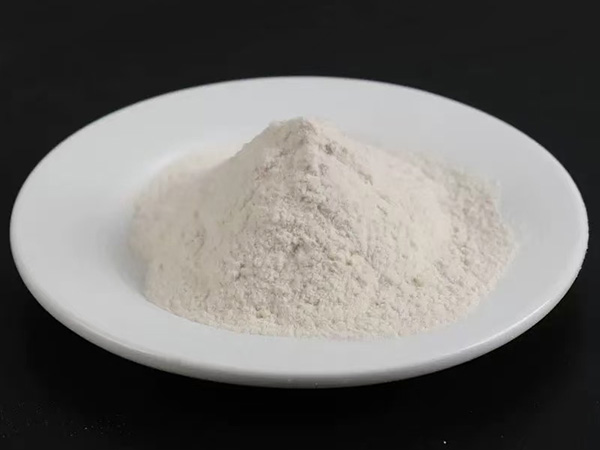
What Is CMC in Textile Printing?
CMC is a cellulose ether made by introducing carboxymethyl groups onto cellulose, giving it water solubility and a useful anionic character. The product page for our carboxymethyl cellulose describes it as a polymer used for stable high viscosity, salt and corrosion resistance, and suspension, properties that translate directly into print-paste function. In a printing formulation it is added to build the viscosity that controls paste flow, so the print lands where the screen or roller places it rather than bleeding into the cloth. The full polymer product list places CMC among the company's cellulose-based additives, and the related non-ionic polyacrylamide serves adjacent textile roles.
From a printer's view CMC is valued because it is a clear, easily removed thickener that does not leave a heavy film or tint after washing.
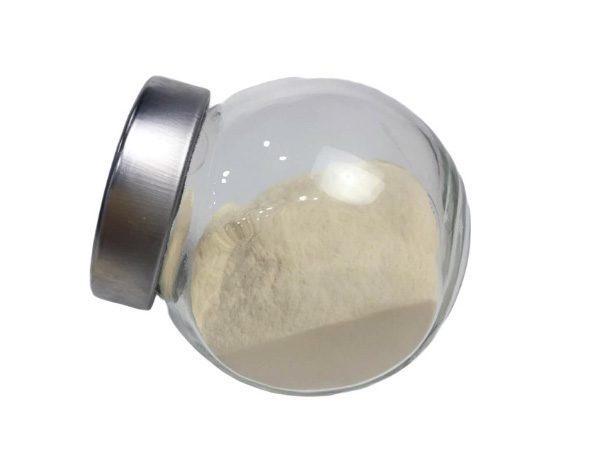
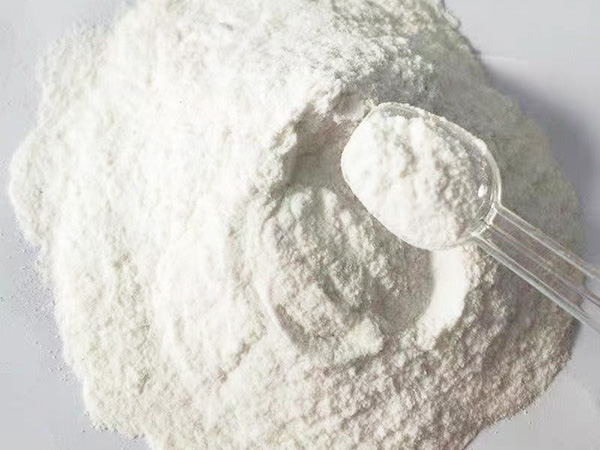
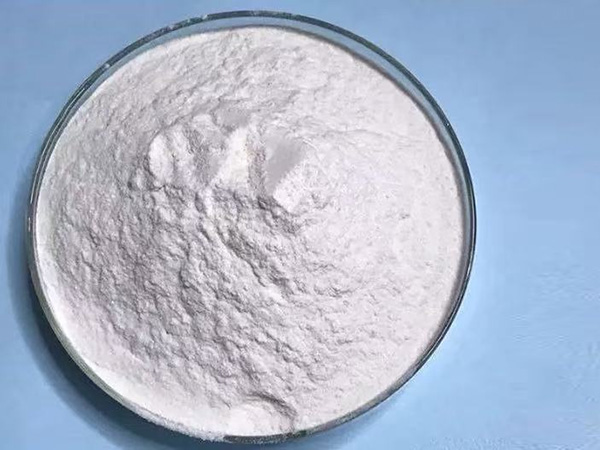
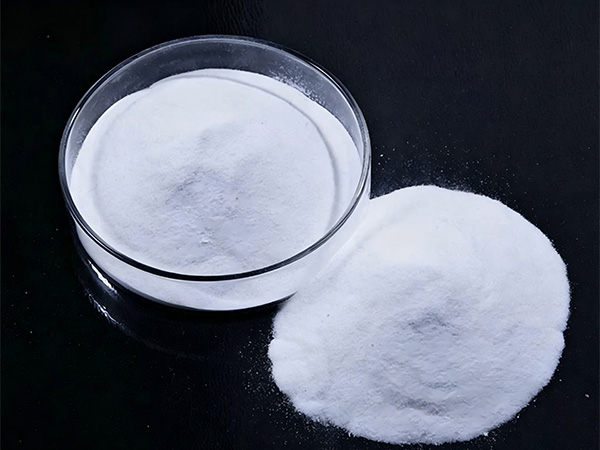
In practical terms CMC is supplied as a free-flowing powder in several viscosity grades, and it is selected by the printer against the target paste viscosity and the print shear rate rather than by a single default grade. Quality is judged on degree of substitution, purity, and solution clarity, and the product's tolerance of alkaline and electrolyte-rich print recipes means it stays stable through the chemistry of the fixation step. Because it dissolves clearly and washes out readily, it is easy to incorporate through a pre-slurry step and to clear in the wash, leaving the fabric hand unchanged. Those handling traits, together with its renewable cellulose origin, are why CMC remains a standard print-paste thickener from sample table to bulk production.
How CMC Thickens Print Paste
Print paste must be thick enough to stay put and thin enough to shear through the screen. CMC builds a polymer network in the aqueous phase that raises low-shear viscosity so the paste holds a sharp edge on the fabric, while its shear-thinning behavior lets the paste flow under the squeegee or roller and then recover. That combination gives clean outlines, consistent shade, and good penetration without clogging the screen. After printing and fixing, CMC is readily washed out in the clearing step, leaving the dye on the fiber and the hand of the cloth unchanged. The salt and corrosion resistance noted for CMC also helps it stay stable in electrolyte-rich print recipes.
Because CMC tolerates alkaline conditions common in reactive dye printing, it keeps working through the chemistry of the fixation step.
Why Textile Printing Needs CMC
A print paste that is too thin bleeds and loses definition; one that is too thick will not transfer or penetrates poorly. CMC lets the printer hit a target viscosity that gives sharp, repeatable patterns at speed, while its easy removability keeps the finishing wash simple and the fabric hand soft. Its stability across pH and salt means the paste behaves the same through a production run, reducing shade variation and rejects. For many printers it is the default thickener for reactive and direct styles, supported by other rheology modifiers where a special effect is needed.
Consistent paste also means less downtime for screen cleaning and fewer off-shade meters of cloth.
CMC vs Other Thickeners
Several thickeners compete with CMC; the choice follows the dye class and effect. The practical comparison is:
- CMC — clear, water-soluble, easily washed out, good alkali and salt tolerance; standard for many print styles.
- Alginate — common for reactive dyes where CMC's anionic character can compete with some dyes; chosen by dye compatibility.
- Guar and derivatives — natural thickeners with different removal and hand characteristics.
- Emulsion thickeners — used for special effects and low add-on, different from a hydrocolloid paste.
Many printers blend CMC with another modifier to balance cost, sharpness, and wash-off rather than relying on one.
Where CMC Fits: Case A vs Case B
Case A — reactive print on cotton. A mid-viscosity CMC grade gives sharp outlines and good penetration, with stable paste through the alkaline fixation chemistry and clean wash-off afterward.
Case B — high-electrolyte or special-effect paste. Where dye compatibility or hand demands it, the printer may switch to alginate or blend CMC with another modifier; the grade is chosen by trial on the actual cloth and dye.
How to Specify CMC for Printing
A precise inquiry lets a supplier match the viscosity grade. When requesting CMC for textile printing, include:
- Print style — rotary, flat-bed, or discharge, and dye class.
- Target viscosity — paste viscosity at the print shear rate.
- Recipe conditions — pH, salt, and alkali level of the paste.
- Grade — viscosity grade and mesh if specified.
- Removability — wash-off and hand requirements.
- Packaging and volume — bag size and estimated monthly usage.
Paste preparation. Hydrate CMC in clean water with steady agitation and let it stand until the print paste reaches a smooth, lump-free consistency; incomplete hydration shows as specks and uneven print definition. Match the CMC viscosity grade to the fabric and screen mesh, and add it before pigments and auxiliaries so the thickening network forms first.
Viscosity, compatibility and lot records. Check paste viscosity with a standard spindle or cone before the print run, and adjust with water or thickener stock rather than guesswork. Confirm compatibility with the pigment dispersion and any binder or softener at the chosen pH to avoid coagulation on the screen. Keep a print lot record: CMC grade and lot, hydration time, final viscosity, fabric, and screen mesh. Consistent paste rheology is what keeps color yield, edge sharpness, and hand-feel repeatable from one production order to the next.
Run-length stability and cost. Paste viscosity drifts during long runs as water evaporates and shear heats the screen, so check it periodically and top up with stock rather than dumping the batch. Watch for foam and for screen clogging at fine mesh, which usually signals incomplete hydration or incompatible auxiliaries. Recycling wash-off paste is possible only after it is filtered and re-checked, and should be logged so shade and hand-feel stay consistent. Track CMC cost per meter of printed fabric against rejects and reworks; the payback of a tighter viscosity discipline shows up fastest in fewer second-quality rolls and steadier color yield across the order.
Print acceptance. Define the print lot as acceptable when paste viscosity is inside its window, the screen runs without clogging, shade matches the standard under the agreed light, and hand-feel meets the target. Record these four points on the lot card with the CMC grade and lot. If viscosity or shade drifts mid-run, stop and re-standardize rather than shading the bulk. A tight acceptance routine is what protects color yield and edge definition across long, repeated orders where the customer judges quality by consistency more than by any single perfect meter.
Common Mistakes in Formulation
- Adding CMC to concentrated dye or alkali — can lump; pre-slurry in water first.
- Wrong viscosity grade — too high clogs screens, too low bleeds.
- Ignoring dye compatibility — anionic CMC can interact with some reactive dyes; verify by trial.
- Overdosing — excess thickener hurts transfer and wash-off.
- Skipping stability test — paste viscosity can drift; verify on aged sample.
FAQ: Is CMC suitable for textile printing?
CMC is a well-established print-paste thickener valued for clear solubility, good alkali and salt tolerance, sharp print definition, and easy wash-off. Buyers should confirm the grade and any regulatory documentation their market requires for textile chemicals.
FAQ: What does CMC do beyond thickening?
Besides building viscosity, CMC controls paste flow so the print holds a sharp edge, supports even dye release during fixation, and then washes out cleanly, leaving the fabric hand unchanged.
FAQ: How much CMC is used in print paste?
Use levels are typically low, often in the range of fractions of a percent to a few percent by weight, tuned to the target paste viscosity and the other thickeners in the recipe.
FAQ: Does CMC work in alkaline print recipes?
Yes. CMC is noted for salt and corrosion resistance and stable high viscosity, which is why it is chosen for alkaline, electrolyte-rich print formulations where some natural thickeners would thin out.
Conclusion
CMC is a practical, clear, water-soluble thickener for textile printing pastes, delivering the viscosity that gives sharp, repeatable patterns while tolerating alkaline and electrolyte-rich recipes and washing out cleanly after fixation. It competes with alginate and other hydrocolloids depending on dye class and hand, and it supports consistent shade and fewer rejects through stable paste behavior. Specify the viscosity grade against your print style, dye class, and wash-off requirements, pre-slurry it for clean dissolution, and verify stability on an aged sample so the print stays sharp from the first meter to the last.
References
- ASTM International — textile and material testing standards: https://www.astm.org/
- U.S. Environmental Protection Agency — textile and chemical resources: https://www.epa.gov/
- International Organization for Standardization — quality and environmental standards: https://www.iso.org/
- PubChem — carboxymethyl cellulose compound data: https://pubchem.ncbi.nlm.nih.gov/