





CPAM for Mining Tailings and Mineral Processing
2026-11-24 08:25:48
What Is CPAM in Mining?
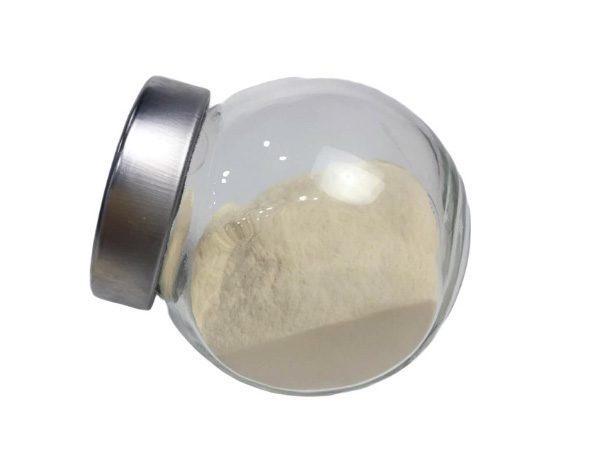
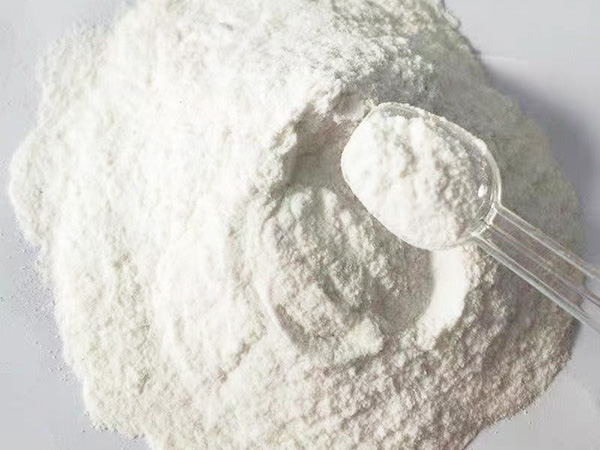
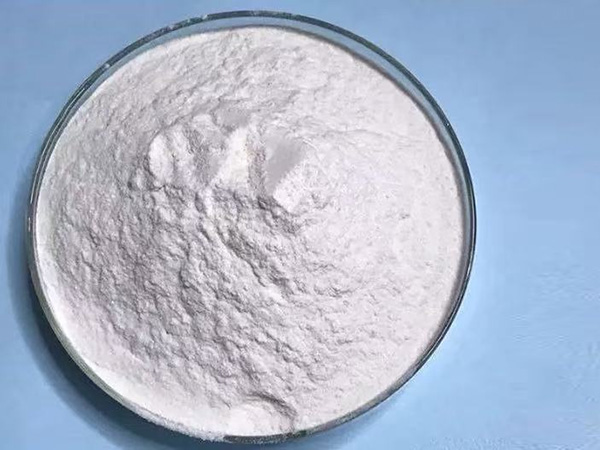
CPAM is a cationic emulsion or powder flocculant described on our cationic polyacrylamide page as a high-charge-density, rapidly dissolving polyelectrolyte. Its positive charge gives it strong selectivity for fine, negatively charged particles, and product literature notes a wider applicable pH range, higher charge stability, and a lower required dosage than many alternatives. While CPAM is widely used in domestic sewage, chemical wastewater, and sludge dewatering, the same charge-driven flocculation makes it valuable in concentrator and tailings circuits where fine solids must be removed quickly.
In practical terms CPAM is supplied as an emulsion or a dry powder, with the cationic charge density and molecular weight chosen to match the tailings rather than by a single default grade. Quality is judged on charge density, molecular weight, and residual monomer, and the product's noted rapid dissolution matters at site because the flocculant must be in solution before it reaches the thickener feed well. A small, well-managed make-down system therefore pays for itself by avoiding undissolved streaks that waste product and foul equipment. Because CPAM acts at low dose, a modest inventory treats a large volume of tailings stream, which keeps storage and handling manageable on a busy concentrator.
In a mine, CPAM is normally the last chemical added before solid-liquid separation: it bridges and densifies the finest fraction so the thickener underflow is heavier and the overflow is clear enough to recycle.
How CPAM Flocculates Tailings
Flocculation in a tailings stream begins with charge. Flotation and grinding produce enormous surface area with a net negative charge that keeps particles suspended. When CPAM is added, its cationic chains neutralize that charge and bridge neighboring particles into large, open flocs that settle fast and compact in the thickener. The high charge density means a small dose can treat a large volume of fines, which is why CPAM is valued for low dosage and rapid action.
The clarified overflow returns to the plant as process water, cutting fresh-water draw and the volume of ponded tailings. In filter or press applications the same flocs dewater to a higher cake solids, lowering haul and disposal cost.
Why Mineral Processing Needs CPAM
Mineral processing generates some of the most difficult fine-slurry streams in industry: flotation tails, mill scats, slimes, and wash water that will not settle on their own. Without a flocculant, ponds fill with slow-settling mud, water cannot be reused, and tailings dams carry more load than necessary. CPAM turns that slurry into separable solids and recyclable water, which supports both cost and permit compliance. The full polymer additive range places CPAM alongside the anionic and non-ionic products used across water and solids control.
The economic logic is straightforward. Water that is locked in the tailings pond is water that must be drawn fresh and then disposed of, and every cubic meter of recycle lowers both the raw-water bill and the volume that the dam must hold. A faster-settling thickener underflow also means more efficient disposal and, where paste or thickened tailings are used, lower transport cost to the storage facility. Finally, clearer overflow reduces the load on any downstream water-treatment step, so the same plant can process more ore within the same permit envelope. Those gains are why flocculant selection and dosing are treated as a core part of the metallurgical plan rather than an afterthought.
Charge selectivity also matters: in streams where the solids are organic or heavily negative, a cationic product often outperforms an anionic one at lower dose, so CPAM can reduce total chemical spend.
CPAM vs APAM in Mining
The two polyacrylamides are chosen by the charge of the solids. The practical comparison is:
- CPAM — cationic, strong on fine, negatively charged, often organic-rich tailings; rapid action and lower dose.
- APAM — anionic, strong on inorganic clays and silts, usually after an inorganic coagulant. See the anionic polyacrylamide page.
- CPAM — wider pH tolerance and higher charge stability in variable streams.
- APAM — higher molecular weight bridging for large inorganic flocs.
Many plants run a blend or switch product by stream; a jar or slip test on the actual tailings settles the choice.
Where CPAM Fits: Case A vs Case B
Case A — flotation tailings thickener. Fine, negatively charged tails at a few ppm of CPAM, dosed into the feed well, give fast settling and a clear overflow that recirculates to the mill, while the underflow density rises for efficient disposal.
Case B — coal refuse or oxide slurry. Heavier, mixed-charge solids may need a higher CPAM dose or a pre-coagulant; non-ionic chemistry can help where ionic charge is weak. The program is tuned per stream rather than applied uniformly.
How to Specify CPAM in an Inquiry
A precise inquiry lets a supplier match charge and molecular weight. When requesting CPAM, include:
- Stream type — flotation tails, coal refuse, mill water, or thickener feed, with typical solids and charge.
- Charge and MW preference — cationic degree and molecular-weight window if known.
- pH and temperature — operating range of the circuit.
- Target — settle rate, overflow clarity, or cake solids.
- Form — emulsion or powder, and dilution capability at site.
- Packaging and volume — bag or bulk, with estimated monthly usage.
At the concentrator, CPAM is handled as a low-dose, high-value flocculant: keep the emulsion or powder cool and dry, rotate stock by lot, and make it down in a dedicated, well-agitated system so the product is fully in solution before it reaches the thickener feed well. A slip or jar test on the actual tailings, run when the ore or grind changes, is the cheapest way to stay on the right charge and molecular weight, because the optimum shifts with the solids in the stream. Track the floc size, the thickener underflow density, and the overflow clarity so any drift shows up as numbers rather than as a pond that will not settle. When flocs are weak or the overflow clouds, confirm make-down and the upstream coagulant before changing product, since undissolved streaks or an unbalanced reagent waste even a good flocculant. Because CPAM is documented to relevant standards, the material can be qualified from the certificate and audited through delivery, which matters when the recovered water is recycled to the mill. Treating the flocculant as a tested, logged, and monitored input, not a bulk chemical, is what keeps the circuit stable and the water reusable shift after shift, and a short daily log of dose against underflow density and overflow turbidity turns the thickener from a black box into a managed unit that the next operator can run without relearning the defaults.
Common Mistakes in Field Use
- Overdosing — excess cationic polymer re-stabilizes particles and clouds the overflow.
- Poor make-down — undissolved emulsion or powder forms streaks; use controlled ageing and agitation.
- Dosing before mixing — flocs must form in a defined zone, not at the pump where shear chops them.
- Wrong charge — too low a cationic degree underperforms on strongly negative fines.
- Ignoring shear — high-pressure transfer breaks flocs, so dose after the last pump.
FAQ: Is CPAM the same as APAM?
No. CPAM is cationic and selected for fine, negatively charged, often organic-rich solids, while APAM is anionic and suited to inorganic clays and silts. The right choice follows the charge of your stream.
FAQ: Why is CPAM said to need a lower dose?
Its high charge density gives strong selectivity, so a small amount neutralizes and bridges many particles. Lower dosage than many alternatives is part of why it is economical on large tailings volumes.
FAQ: Can CPAM clarify water for reuse?
Yes. By flocculating the finest fraction, CPAM produces a clear thickener overflow that can be recycled as process water, reducing fresh-water draw and ponded tailings volume.
FAQ: What pH range does CPAM tolerate?
Product literature notes a wider applicable pH range and higher charge stability than many flocculants, though the optimum dose is still confirmed by test on the actual stream.
Conclusion
CPAM is a charge-selective flocculant that settles fine, negatively charged mining tailings, thickens slurries, and clarifies process water for reuse at a low dose and rapid action. It suits organic-rich and fine mineral streams where anionic products may need more chemical, and it supports both cost reduction and permit compliance through water recycling and higher cake solids. Specify the cationic charge and molecular weight against a test on your actual tailings, dissolve it correctly, and dose after mixing to get the clearest overflow and the densest underflow.
References
- U.S. Environmental Protection Agency — water-quality and mining resources: https://www.epa.gov/
- ASTM International — sampling and testing standards: https://www.astm.org/
- International Organization for Standardization — quality and management standards: https://www.iso.org/
- PubChem — polyacrylamide compound data: https://pubchem.ncbi.nlm.nih.gov/