





CPAM for Oilfield Produced Water Treatment
2026-11-27 08:55:05
What Is CPAM in Produced Water?
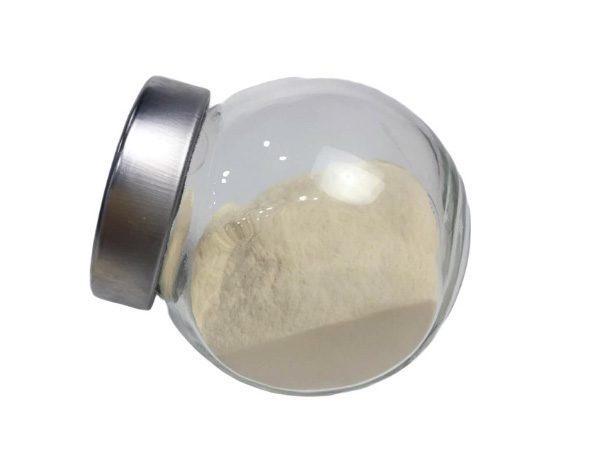
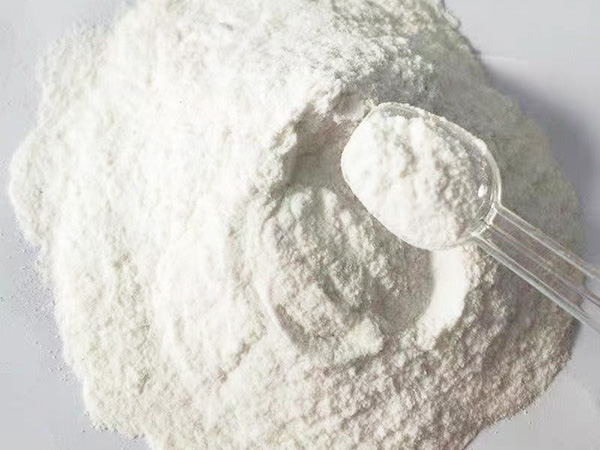
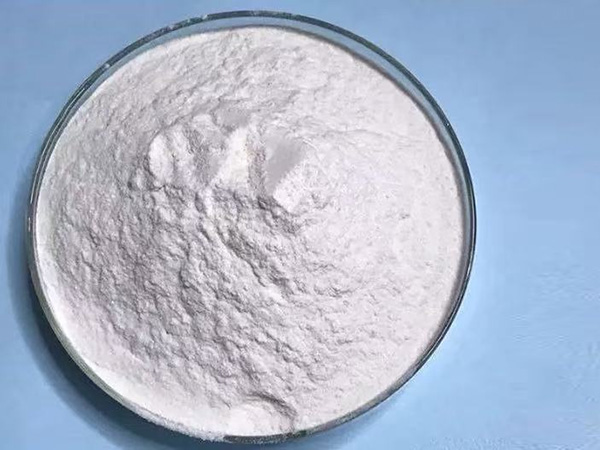
CPAM is a cationic emulsion or powder flocculant described on our cationic polyacrylamide page as a high-charge-density, rapidly dissolving polyelectrolyte with a wider applicable pH range, higher charge stability, and a lower required dosage than many alternatives. Its positive charge gives it strong selectivity for the negatively charged oil droplets, fines, and organic matter typical of produced water. Product literature notes CPAM's use in domestic sewage, chemical wastewater, sludge dewatering, and papermaking, and the same charge-driven flocculation makes it effective on oily water streams. The full polymer product list places CPAM among the company's water-treatment products.
In a produced-water plant CPAM is normally added after primary separation and any coagulant, binding the finest fraction so the clarifier, float cell, or filter can polish the water.
How CPAM Treats Produced Water
Produced water carries emulsified and free oil, dispersed solids, and dissolved organics that keep the water turbid and hazardous to discharge. When a small inorganic coagulant is added first, it begins to break charges and destabilize the emulsion; CPAM then lays its cationic chains across neighboring droplets and particles, neutralizing the remaining negative charge and bridging them into large flocs. Those flocs rise in induced-gas flotation or settle in a clarifier, carrying oil and solids out of the water. The high charge density means a small CPAM dose treats a large volume, which is why it is valued for low dosage and rapid action.
Polished water can then be reinjected, reused in the field, or discharged within limit, while the thickened sludge goes to dewatering, lowering both environmental load and cost.
Why Produced Water Needs CPAM
Produced water is the largest volume waste stream in oil and gas production, and its oil and solids content is tightly regulated. Simple gravity separation leaves the finest droplets and particles behind, so a flocculant is required to reach reuse or discharge limits. CPAM's cationic charge is especially effective on the negatively charged oil-water interfaces and organic fines, often outperforming anionic products at lower dose on this stream. Cleaner produced water supports water reuse in arid fields and reduces the volume sent to disposal, which is both a cost and a permit issue. The anionic polyacrylamide chemistry serves related water and sludge roles across the field.
Charge selectivity also helps when the feed varies with well age and chemical program, since CPAM holds performance across a wider pH range than many flocculants.
The business case is built on water and disposal. Treated produced water can be reinjected, reused in the field, or discharged within limit, which lowers the volume sent to costly disposal and reduces the fresh-water draw in arid regions. Thickened, well-dewatered sludge is cheaper to handle and reduces the load on any downstream system. For a field under tight discharge limits or water-stress conditions, those savings and the reduced permit risk usually justify the dosing and mixing equipment quickly, and they make CPAM a standard item in the produced-water train rather than an emergency fix. The selection of charge and molecular weight is confirmed by jar testing on the actual water as the field matures.
CPAM vs APAM for Produced Water
The two polyacrylamides are chosen by the charge of the droplets and solids. The practical comparison is:
- CPAM — cationic, strong on negatively charged oil droplets and organic fines; rapid, low dose.
- APAM — anionic, strong on inorganic clays and silts, usually after a coagulant. See the anionic polyacrylamide page.
- CPAM — wider pH tolerance and higher charge stability in variable streams.
- NPAM — non-ionic option for specific cases; see the non-ionic polyacrylamide page.
Many facilities run a jar test to settle the product and dose, because produced-water chemistry changes with the field.
Where CPAM Fits: Case A vs Case B
Case A — oilfield produced water to reuse or discharge. A few ppm of CPAM after a small coagulant gives fast flocculation of oil and fines, a clear float-cell overflow suitable for reinjection, and a thickened sludge for dewatering.
Case B — highly variable or high-solids water. A higher CPAM dose or a blend with anionic product may be needed; the program is tuned per stream rather than applied uniformly, with the overflow tested against the reuse or discharge limit.
How to Specify CPAM for Produced Water
A precise inquiry lets a supplier match charge and molecular weight. When requesting CPAM for produced water, include:
- Stream profile — oil content, solids, salinity, and typical pH.
- Charge and MW — cationic degree and molecular-weight window if known.
- Equipment — flotation, clarifier, or filter, since residence time and shear differ.
- Target — oil-in-water and turbidity limit for reuse or discharge.
- Form — emulsion or powder, and dilution capability.
- Packaging and volume — bag or bulk, with estimated monthly usage.
Dosing and mixing. For produced-water treatment, prepare CPAM as a fresh dilute solution and inject it at a point with enough turbulent contact to disperse the flocculant without over-shearing the formed flocs. Start at a low dose and step up while monitoring, because overdosing can restabilize fine droplets and worsen oil-in-water readings rather than improve them.
Monitoring and operating log. Track influent and effluent oil-in-water, suspended solids, and the polymer dose per barrel on every shift. Produced-water quality swings with well chemistry and flowback, so a running control chart tells you when to re-rate the dose instead of holding a fixed setpoint that no longer fits. Record the CPAM grade and lot, the mixing energy, and the clarifier or hydrocyclone performance so the treatment stays within discharge limits and the chemical cost stays predictable across changing field conditions.
Equipment match and compliance. Polymer alone does not make water compliant; it must be matched to the separator train, whether hydrocyclones, induced-gas flotation or dissolved-air flotation, and to the limits on oil-in-water and total suspended solids. Keep an eye on residual polymer and on the disposition of the skim oil and sludges, because downstream injection or discharge permits drive the real acceptance criteria. Validate the treatment against the worst expected field water, not the average, and keep a compliance snapshot per batch. When inlet quality swings, a small side-stream test protects the main train from an unplanned upsets and keeps discharge within permit.
Compliance checklist. Close the loop with a short, per-batch compliance check: oil-in-water and total suspended solids against the permit, sludge volume and disposition recorded, and the polymer dose logged against the treated volume. Keep the discharge snapshot with the operating log so an inspector can see the whole story in one place. When inlet quality spikes, note the excursion and the corrective action taken. Treating the permit as the acceptance criterion, not just clarity to the eye, is what keeps the produced-water plant operating without notices or unplanned shutdowns.
Common Mistakes in Field Use
- Overdosing — excess cationic polymer re-stabilizes droplets and worsens clarity.
- Poor make-down — undissolved emulsion streaks; use controlled ageing and agitation.
- Dosing before mixing — flocs must form in a defined zone, not at a pump where shear chops them.
- Wrong charge — too low a cationic degree underperforms on strongly anionic droplets.
- Ignoring shear — high-pressure transfer breaks flocs; dose after the last pump.
FAQ: Is CPAM the same as APAM?
No. CPAM is cationic and selected for the negatively charged oil droplets and organic fines in produced water, while APAM is anionic and suited to inorganic clays and silts. The right choice follows the charge of your stream.
FAQ: Why is CPAM said to need a lower dose?
Its high charge density gives strong selectivity, so a small amount neutralizes and bridges many particles. Lower dosage than many alternatives is part of why it is economical on large produced-water volumes.
FAQ: Can CPAM help meet oil-in-water limits?
Yes. By flocculating the finest oil droplets and solids, CPAM produces a clearer overflow that can meet reuse or discharge limits after flotation or clarification, while the sludge is thickened for dewatering.
FAQ: What pH range does CPAM tolerate?
Product literature notes a wider applicable pH range and higher charge stability than many flocculants, though the optimum dose is still confirmed by jar test on the actual produced water.
Conclusion
CPAM is a charge-selective flocculant that cleans oilfield produced water by neutralizing the negatively charged oil droplets and organic fines and bridging them into fast-separating flocs, supporting reuse, reinjection, or compliant discharge at a low dose and rapid action. It suits the organic, anionic character of produced water where anionic products may need more chemical, and it feeds directly into sludge dewatering for lower disposal cost. Specify the cationic charge and molecular weight against a jar test on your actual stream, dissolve it correctly, and dose after mixing and before shear to get the clearest, lowest-oil overflow.
References
- U.S. Environmental Protection Agency — produced water and water-quality resources: https://www.epa.gov/
- Society of Petroleum Engineers — produced water management technical resources: https://www.spe.org/
- International Organization for Standardization — environmental management standards: https://www.iso.org/
- PubChem — polyacrylamide compound data: https://pubchem.ncbi.nlm.nih.gov/