





How does Nonionic Polyacrylamide work in water treatment?
2026-04-14 11:02:31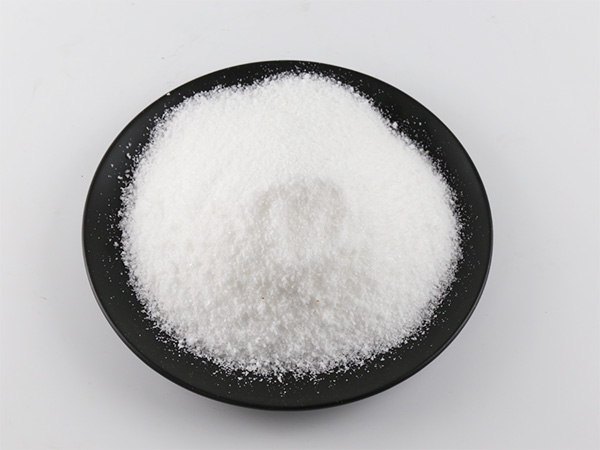
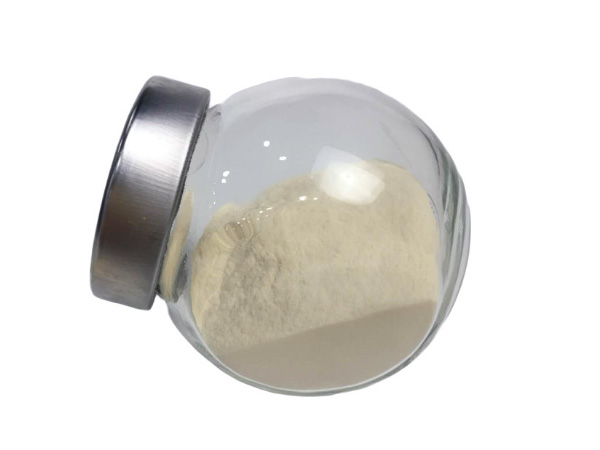
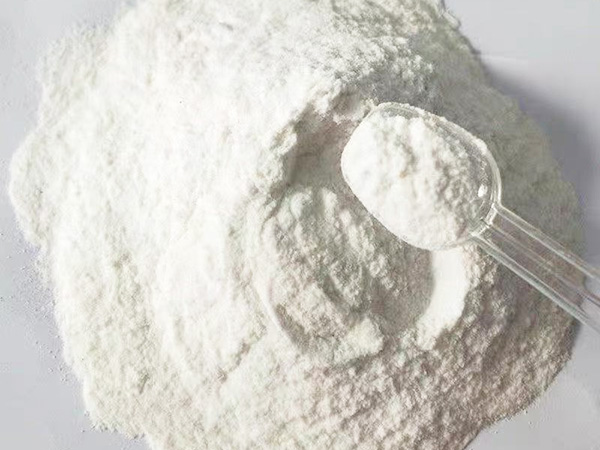
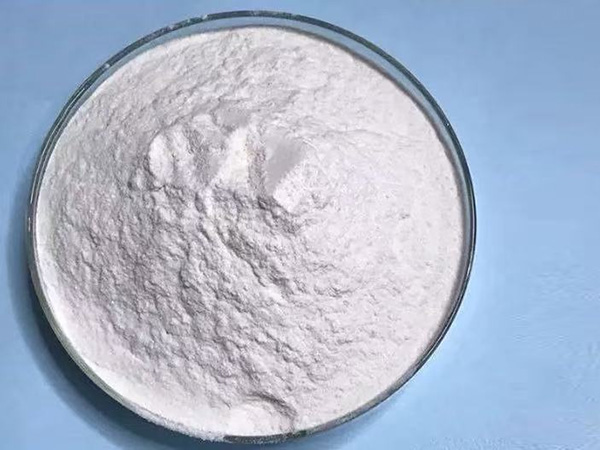
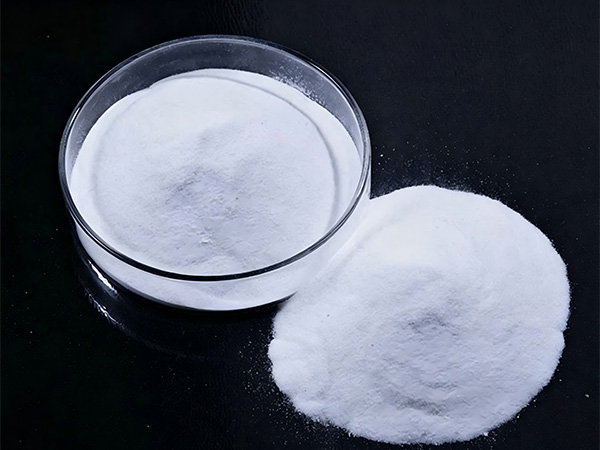
Nonionic Polyacrylamide(NPAM)works as a highly efficient flocculant in water treatment mainly through adsorption,bridging,netting,and sedimentation effects.Unlike ionic polyacrylamides,it does not rely on charge neutralization but uses its long molecular chains to aggregate suspended particles,colloids,and impurities,enabling rapid solid–liquid separation.
1.Adsorption
NPAM molecular chains contain a large number of amide groups(-CONH₂),which easily form hydrogen bonds and van der Waals forces with suspended solids,clay particles,colloids,and organic fine particles in water.
It adsorbs stably even on particles with weak or near-neutral surface charge,and is less affected by pH,metal ions,or salinity.
2.Bridging effect
The long-chain macromolecules of NPAM can adsorb multiple fine particles at the same time,acting like a“bridge”to connect dispersed particles together.
This forms larger,denser flocs from tiny suspended solids that are difficult to settle naturally.
3.Netting&trapping
As flocs grow and settle,they sweep and entrap smaller colloids,organic matter,and even some dissolved impurities in the water body,further improving water clarity.
4.Accelerated sedimentation
The aggregated flocs have increased density and settling speed,rapidly separating from the water to form a clear supernatant and concentrated sludge layer.
5.Sludge conditioning&dewatering
In sludge treatment,NPAM compresses the double layer(weak effect)and strengthens interparticle adhesion,making sludge flocs tougher and less likely to break under mechanical shear,thereby improving filtration and reducing moisture content.
6.Stability under harsh conditions
Because NPAM is nonionic,it maintains excellent flocculation performance in acidic,high‑salt,high‑hardness,or complex ion environments where anionic/cationic PAM may lose efficacy.
References
GB/T 7714
Huang C,Hu X,Xiao J.Flocculation Mechanism of Nonionic Polyacrylamide in Aqueous Suspension Systems[J].Acta Scientiae Circumstantiae,2019,39(7):2256–2264.
MLA
Huang,C.,X.Hu,and J.Xiao."Flocculation Mechanism of Nonionic Polyacrylamide in Aqueous Suspension Systems."Acta Scientiae Circumstantiae,vol.39,no.7,2019,pp.2256–2264.
APA
Huang,C.,Hu,X.,&Xiao,J.(2019).Flocculation mechanism of nonionic polyacrylamide in aqueous suspension systems.Acta Scientiae Circumstantiae,39(7),2256–2264.