





How is food grade Carboxymethyl Cellulose produced?
2026-04-13 10:44:17
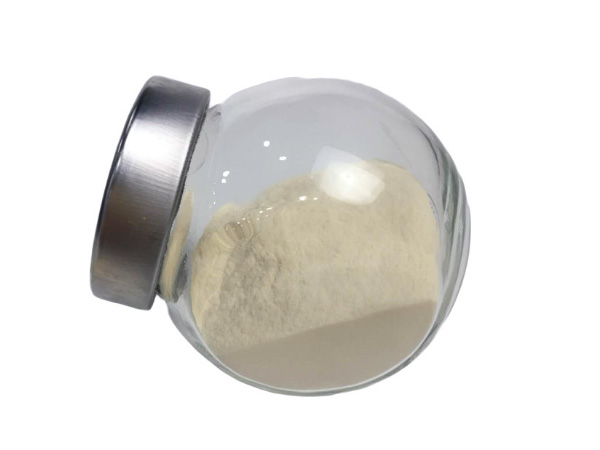
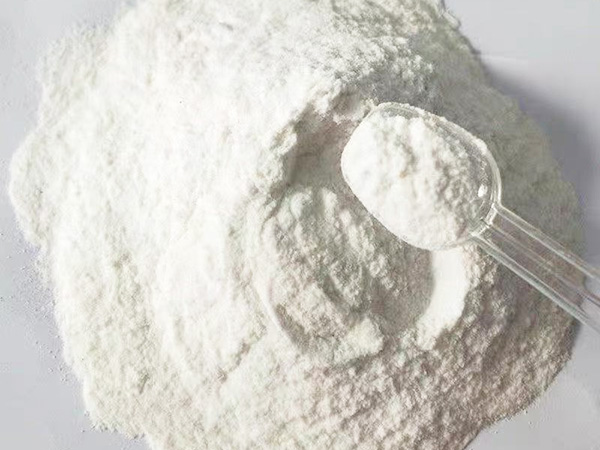
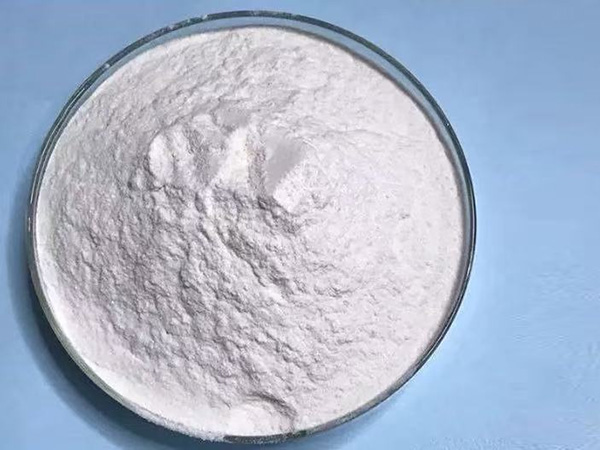
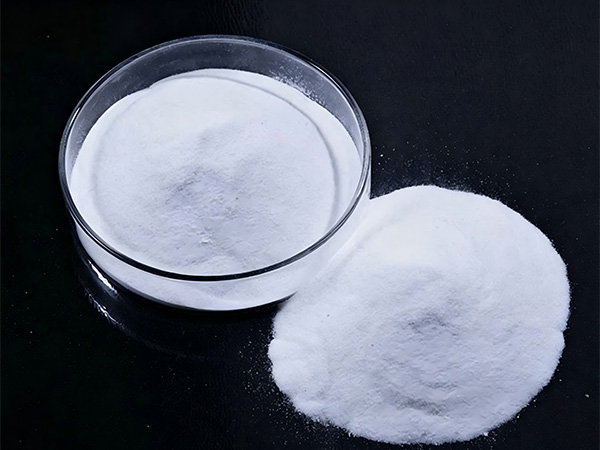
Food-grade CMC(carboxymethyl cellulose sodium)is produced by chemically modifying natural cellulose(from cotton or wood pulp)via a 3-core industrial process:alkalization→etherification→purification&drying.Food grade requires strict purity,low heavy metals,and compliance with standards like GB 1886.232 or FCC/E.
1.Raw Materials
Cellulose:High-purity refined cotton linter(90%cellulose)or wood pulp
Sodium hydroxide(NaOH):Alkali for activation
Monochloroacetic acid(MCA)or sodium chloroacetate:Etherifying agent
Solvent:Ethanol/isopropanol(water-miscible organic solvent,the solvent method—standard for food grade)
Acid:HCl for neutralization
2.Core Production Process(Solvent Method,Food-Grade Standard)
Step 1:Alkalization(Activation)
Mix refined cellulose with NaOH+aqueous alcohol in a reactor.
Heat(typically 60–75°C)to form sodium CMC.
Control degree of substitution(DS):0.6–0.95 for food grade.
Step 3:Neutralization&Washing(Critical for Food Purity)
Neutralize excess NaOH with HCl.
Wash repeatedly with aqueous alcohol to remove byproducts:
NaCl(salt)
Sodium glycolate
Unreacted chemicals
Food grade requires>90%purity and near-zero residual salts/heavy metals.
Step 4:Drying&Milling
Filter→press→dry(hot air)→mill to fine white powder.
Sieve to uniform particle size.
Test:viscosity,DS,pH,purity,heavy metals(Pb,As,Cd<1 ppm).
3.Food-Grade vs.Technical Grade
Food grade:High-purity solvent method,extensive washing,low salt/heavy metals,DS 0.6–0.95.
Technical grade:Lower purity,water-media process,higher salt,not for food.
4.Key Food-Grade Specifications(GB 1886.232–2016)
Assay(dry basis):95.0–105.0%
Degree of substitution(DS):0.2–1.5(food:0.6–0.95)
Heavy metals(Pb):≤5 mg/kg
Loss on drying:≤10.0%
pH(1%solution):6.0–8.5
Summary
Food-grade CMC is purified cellulose ether made via:
Cellulose→Alkali→Etherify→Wash(purify)→Dry→Powder
It’s safe,widely used in foods,and meets strict global food standards.
References
GB/T 7714
Food Safety Standard for Food Additive Sodium Carboxymethyl Cellulose(GB 1886.232-2016).National Health and Family Planning Commission of the People's Republic of China,2016.
MLA
Saha,Dipti,and Suresh Bhattacharya."Hydrocolloids as thickening and gelling agents in food:A critical review."Journal of Food Science and Technology,vol.47,no.6,2010,pp.587–601.
APA
National Health and Family Planning Commission of the People's Republic of China.(2016).Food safety standard for food additive sodium carboxymethyl cellulose(GB 1886.232-2016).