





What is the difference between food grade and industrial grade Carboxymethyl Cellulose(CMC)?
2026-04-13 10:46:15
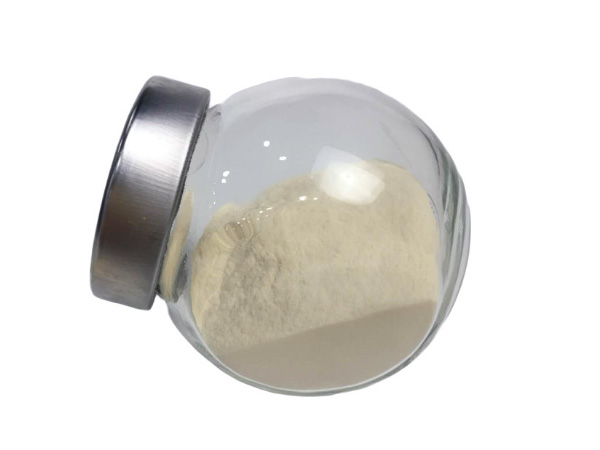
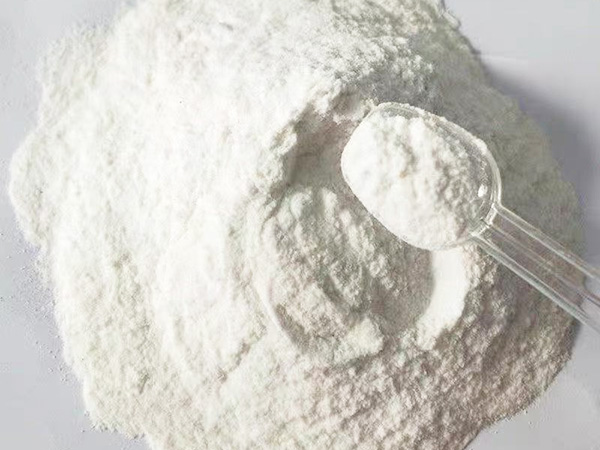
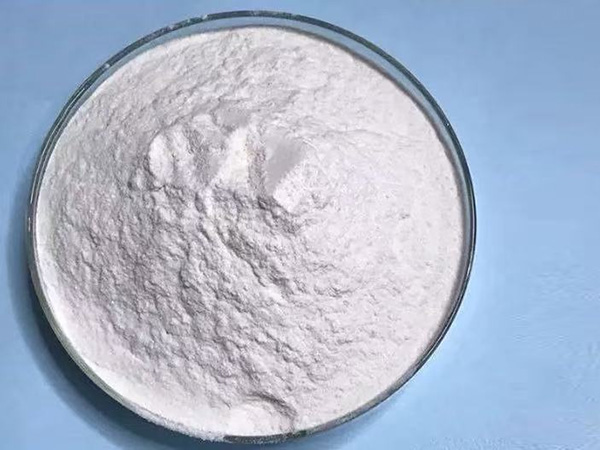
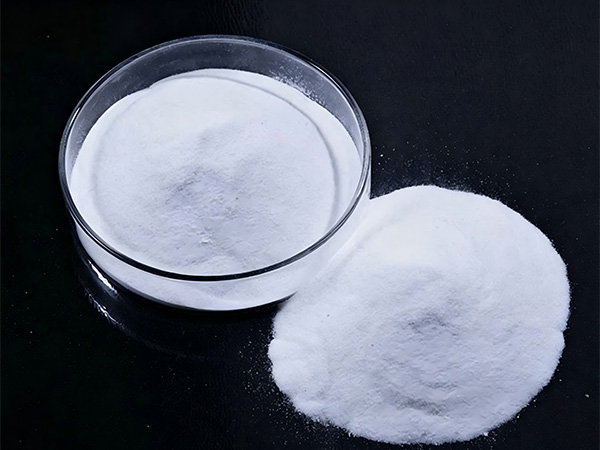
Food-grade and industrial-grade Carboxymethyl Cellulose(CMC) differ sharply in purity,raw materials,production process,safety,heavy metal limits,salt content,and permitted uses,even though their basic chemical structure is similar.
1.Raw Materials
Food grade:Uses high-purity refined cotton linters or food-grade wood pulp,with strict limits on impurities,heavy metals,and microorganisms.
Industrial grade:Uses ordinary wood pulp,even agricultural byproducts;impurity requirements are much looser.
2.Production Process
Food grade:Produced by the solvent(slurry)method with repeated alcohol washing to remove salt(NaCl),glycolate,and residual chemicals.
Industrial grade:Often uses the water method or dry process with minimal washing;higher residual salt and byproducts.
3.Purity&Salt Content
Food grade:Very low salt content(<0.5%NaCl),high purity,stable viscosity.
Industrial grade:High salt content(3–15%NaCl),which affects solubility and stability.
4.Heavy Metals&Toxic Substances
Food grade:Meets GB 1886.232/FCC/EFSA standards;
Pb≤5 mg/kg,As≤1 mg/kg,no toxic residues.
Industrial grade:No strict food safety limits;may contain heavy metals,residual solvents,or harmful impurities not safe for human consumption.
5.Microbial Limits
Food grade:Tested for total plate count,coliforms,molds,yeasts,pathogens.
Industrial grade:No microbial control.
6.Application Fields
Food grade:Used in food,beverages,ice cream,bakery,meat products,etc.(E466).
Industrial grade:Used in detergents,textiles,paper making,ceramics,oil drilling,construction,etc.
7.Price
Food grade:More expensive due to purification and safety costs.
Industrial grade:Lower cost,mass-produced.
References
GB/T 7714
Saha D,Bhattacharya S.Hydrocolloids as thickening and gelling agents in food:A critical review[J].Journal of Food Science and Technology,2010,47(6):587–601.
MLA
Saha,Dipti,and Suresh Bhattacharya."Hydrocolloids as thickening and gelling agents in food:A critical review."Journal of Food Science and Technology,vol.47,no.6,2010,pp.587–601.
APA
Saha,D.,&Bhattacharya,S.(2010).Hydrocolloids as thickening and gelling agents in food:A critical review.Journal of Food Science and Technology,47(6),587–601.