





What Is Food Grade Xanthan Gum and Why Is It Essential in the Food Industry?
2026-05-09 11:11:42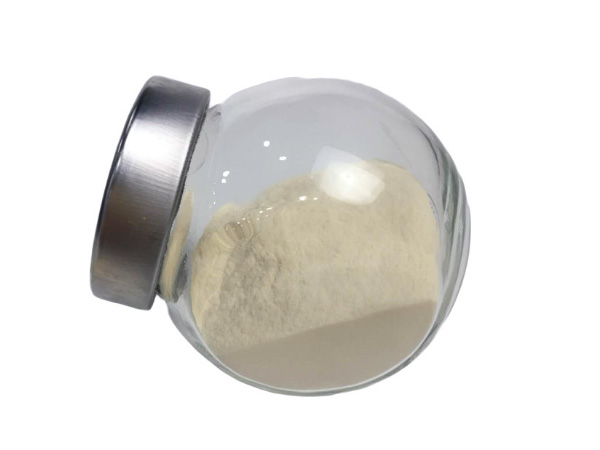
In contemporary food manufacturing, consistency, stability, and texture are just as crucial as taste. Food-grade xanthan gum is one key ingredient that helps achieve all these qualities. It is widely utilized across global food industries as a thickener, stabilizer, and emulsifier, playing an indispensable role in enhancing product quality and boosting production efficiency. But what exactly is food-grade xanthan gum, and why has it become such a vital component in today’s food processing?
What Is Food-Grade Xanthan Gum?
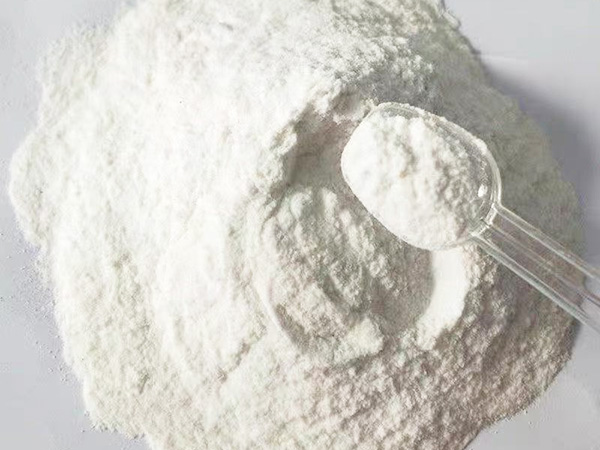
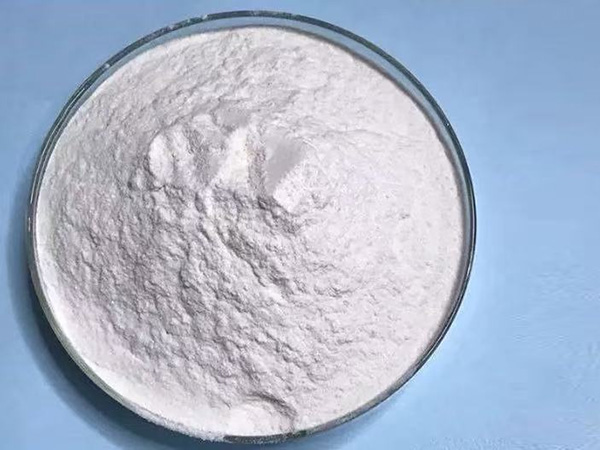
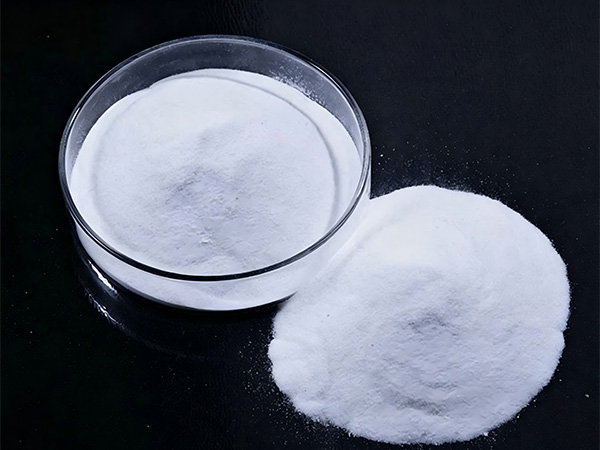
Food-grade xanthan gum is a high-purity polysaccharide produced by fermenting glucose or sucrose with the bacterium Xanthomonas campestris. Following the fermentation process, the substance is purified, dried, and ground into a fine powder that is safe for human consumption. It has been approved as a food additive in numerous countries, including by the U.S. Food and Drug Administration (FDA) and the European Food Safety Authority (EFSA), making it a widely accepted ingredient in food formulation.
Key Functions of Xanthan Gum in Food
1. Thickening Agent
One of the primary roles of xanthan gum is to boost the viscosity of liquids. Even in extremely low concentrations, it can significantly thicken sauces, soups, and beverages without altering their original flavor.
2. Stabilizer
Xanthan gum aids in maintaining the uniform distribution of ingredients in food products. It prevents separation in emulsions such as salad dressings, ensuring a consistent texture and appearance from start to finish.
3. Emulsifier Support
While it is not a traditional emulsifier, xanthan gum works effectively alongside emulsifying agents to stabilize oil-and-water mixtures, thereby improving the shelf life and overall quality of food products.
4. Texture Enhancer
It enhances the mouthfeel of many food items, making them smoother and more appealing to consumers. This function is particularly important in dairy products, desserts, and gluten-free baked goods.
Why Is Food-Grade Xanthan Gum Essential in the Food Industry?
1. Improves Product Consistency
Consumers expect consistent texture and appearance in packaged foods, and xanthan gum ensures that every batch of a product meets the same high-quality standards.
2. Supports Gluten-Free Formulations
In gluten-free baking, xanthan gum takes on the structural role of gluten. It helps dough retain elasticity and prevents crumbling in bread, cakes, pastries, and other baked goods.
3. Enhances Shelf Stability
Food products often face challenges like ingredient separation, settling, or texture changes over time. Xanthan gum improves the stability of these products, extending their shelf life and reducing food waste.
4. Works in Small Quantities
One of its greatest advantages is its efficiency. Only small amounts of xanthan gum are required to achieve the desired texture and stability, making it a cost-effective choice for large-scale food production.
5. Suitable for a Wide Range of Foods
From sauces and condiments to dairy products, beverages, and frozen foods, xanthan gum is highly versatile and compatible with a wide variety of food formulations.
Common Applications in the Food Industry
Sauces and condiments (ketchup, mayonnaise, mustard)
Bakery products (especially gluten-free bread and cakes)
Dairy products (yogurt, ice cream, flavored milk)
Beverages (fruit juices, protein drinks, smoothies)
Processed foods (instant meals, frozen foods, soups)
Safety and Regulatory Status
Food-grade xanthan gum is generally recognized as safe (GRAS) by major food safety authorities worldwide. It has undergone extensive research and is widely used in both commercial food production and home cooking. When used within the recommended dosage levels, it poses no known health risks and is suitable for vegetarian and vegan diets.
Conclusion
Food-grade xanthan gum is an essential ingredient in the modern food industry, thanks to its multifunctional properties, cost efficiency, and wide range of applications. It not only improves the texture and stability of food products but also supports innovation in gluten-free and processed food development. As consumer demand for high-quality, consistent food products continues to grow, xanthan gum will remain a key component in food formulation and production across the globe.
References
GB/T 7714:The Multifunctional Roles of Food-Grade Xanthan Gum in Modern Food Manufacturing. Journal of Food Additives and Ingredients
MLA:Safety Assessment and Regulatory Status of Food-Grade Xanthan Gum. Journal of Food Safety
APA:Xanthan Gum as a Key Stabilizer in Gluten-Free Food Formulations. Food Hydrocolloids